
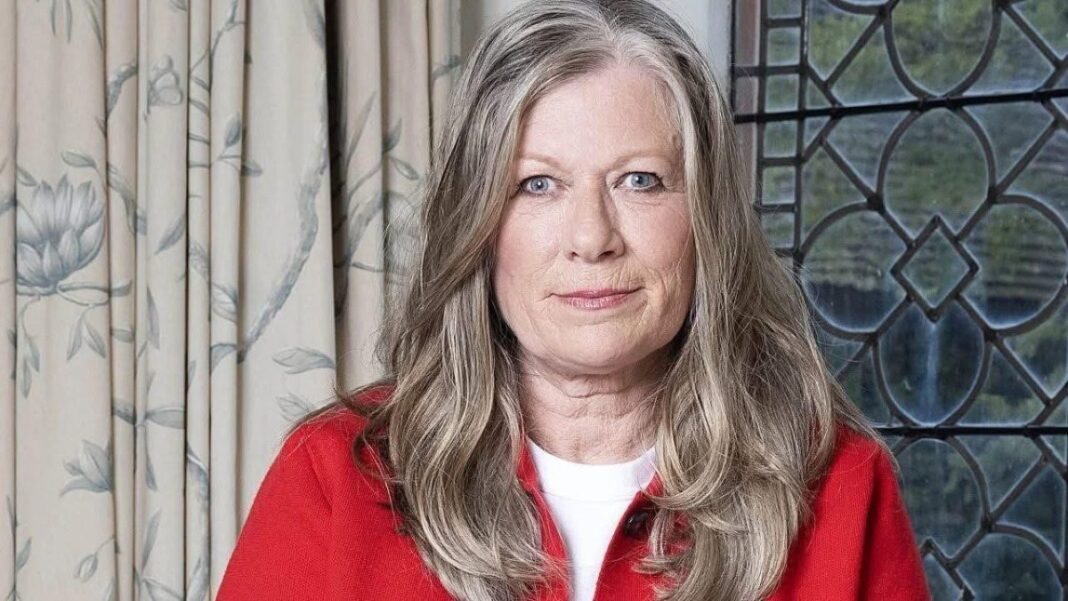
A grieving British mother, Wendy Duffy, died by assisted suicide in Switzerland after losing her son, sparking debate over suicide tourism, legality, and ethical concerns around non-terminal assisted dying.
A deeply personal tragedy has reignited a global debate on assisted dying after a British mother chose to end her life at a Swiss clinic, citing unbearable grief over her son’s death.
According to the New York Post, Wendy Duffy, 56, paid £10,000 to undergo assisted suicide at the Pegasos clinic in Basel, Switzerland, despite being physically healthy.
The former care worker died on April 24, with Pegasos founder Ruedi Habegger confirming the procedure was carried out “in full compliance with her wishes.” “I can confirm that Wendy Duffy, at her own request, was assisted to die on April 24 and that the procedure was completed without incident and in full compliance with her wishes,” he told the Daily Mail. He described the case as a “sane suicide,” saying there was no doubt about her intention, understanding and independence of thought.
Duffy’s decision was rooted in profound personal loss. Her only son, Marcus, died aged 23 in a freak accident after choking on food. The tragedy, she said, left her unable to rebuild her life despite years of therapy and medication.
“I want to die. I’ll have a smile on my face when I do My life; my choice,” Duffy said before travelling to Switzerland, as reported by The Telegraph.
In an intimate detail that underscored her grief, Duffy said she planned to wear her son’s T-shirt because it “still smells like him,” and asked for Lady Gaga and Bruno Mars’ song Die With A Smile to play during her final moments, the New York Post reported.
Her case has stirred controversy in the UK, where assisted dying remains illegal. The timing added to the debate, coming as a proposed right-to-die bill failed to progress in Parliament, according to The Telegraph.
Critics have raised concerns over what they describe as “suicide tourism,” with vulnerable individuals travelling abroad to access assisted death. Campaign group Care Not Killing called it “absolutely disgraceful” that non-terminal patients could access such services.
Supporters, however, frame the issue around personal autonomy and dignity, echoing Duffy’s own words: “My life; my choice.”
Duffy’s story also comes amid wider global scrutiny of assisted suicide laws. The New York Post noted a recent case in Spain that sparked international concern, further intensifying the ethical debate.
For now, Wendy Duffy’s final decision has left behind more than grief — it has reopened difficult questions about law, morality and the limits of personal choice.


