
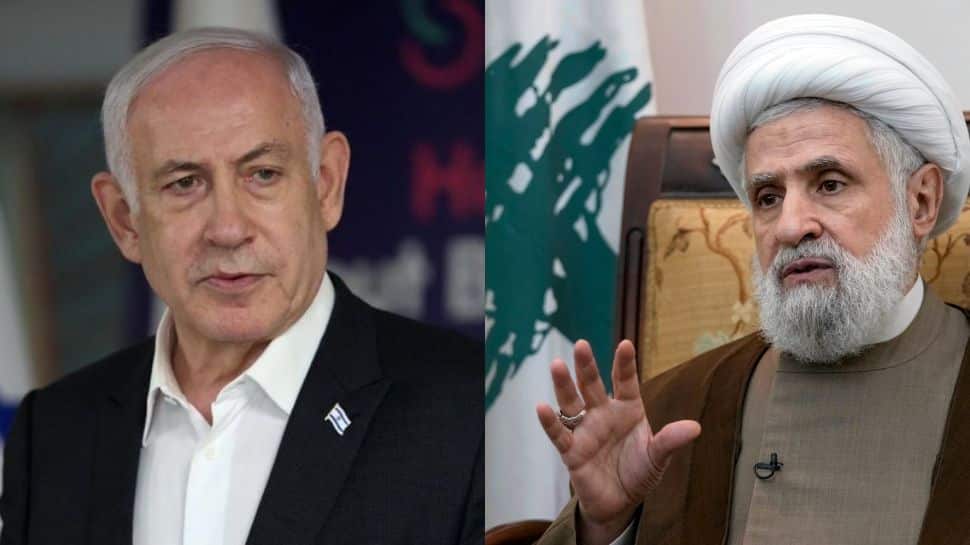
The Israel Defense Forces (IDF) conducted extensive strikes, hitting over 600 terror-related sites in Lebanon within a single week using 820 high-precision munitions. This coordinated, multi-front offensive focused on neutralizing threats to the northern border, representing one of the most intense periods of activity for the Northern Command in recent months.
The attack followed Hezbollah’s decision on March 2 to resume attacks on Israel in response to the assassination of Iran’s Supreme Leader Ali Khamenei during a joint US-Israeli operation.
“Over the past week, forces operating under the Northern Command struck over 600 terror targets across Lebanon from the air, sea, and ground, with some 820 munitions. During the strikes, more than 190 terrorists were eliminated, including the terrorist Abu Hamza Rami, the Commander of Islamic Jihad in Lebanon with the equivalent rank of Major General, two commanders at the equivalent rank of colonel, and three battalion commanders in the terrorist organization. In addition, 27 waves of strikes were conducted in the Beirut region, including five in the Dahieh area,” the IDF said in a statement.
Iran’s Presidential office destroyed
Earlier on Friday, the Israel Defense Forces (IDF) announced that it had destroyed a secret underground military bunker used by the Iranian regime in central Tehran. In an official statement, the Israeli military said the precision strike was aimed at the Supreme Leader’s command centre and had significantly weakened the regime’s strategic command-and-control network.
Reports also suggested that Iran’s Presidential Office and the Supreme National Security Council complex in central Tehran were hit during a joint US-Israeli air operation. Nearly 100 fighter jets were said to have participated in the large-scale strike, which targeted important leadership facilities and command infrastructure located within one of the country’s most heavily protected compounds.
Casualties of Iran Israel US War
As the conflict continues to intensify, the number of casualties across the region has increased. According to information from the United Nations and local authorities, more than 1,300 people have been killed in Iran since the escalation began in early March. In addition, thousands have been injured, and about 100,000 people have reportedly been displaced as the hostilities spread to Lebanon and other parts of the Middle East.
West Asia war
The development comes amid rising tensions in West Asia after the death of Iran’s Supreme Leader, Ayatollah Ali Khamenei, aged 86. He was reportedly killed in joint military strikes carried out by the United States and Israel in Iran on February 28. Several senior leaders of the Islamic Republic were also killed in the attacks.
In response, Tehran launched retaliatory strikes against American military bases and Israeli-linked targets across the region, including locations in several Arab countries. Israel, with support from the United States, continued its military operations against Tehran. At the same time, Tel Aviv expanded the scope of the conflict to Lebanon, carrying out strikes against Hezbollah and other militant groups backed by Iran.


