Why Halloween Candy Is Getting More Expensive and Less Chocolate-y
Key Takeaways
- Halloween candy prices have surged 10.8% this year, far outpacing general inflation
- Consumers face less chocolate per package, higher prices, and reduced cocoa content
- Cocoa prices skyrocketed 178% in 2024 due to poor harvests in West Africa
- Candy makers are shifting toward gummies and special flavors to cut costs
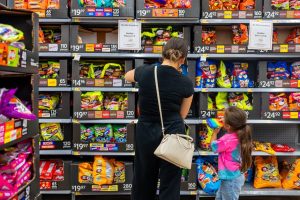
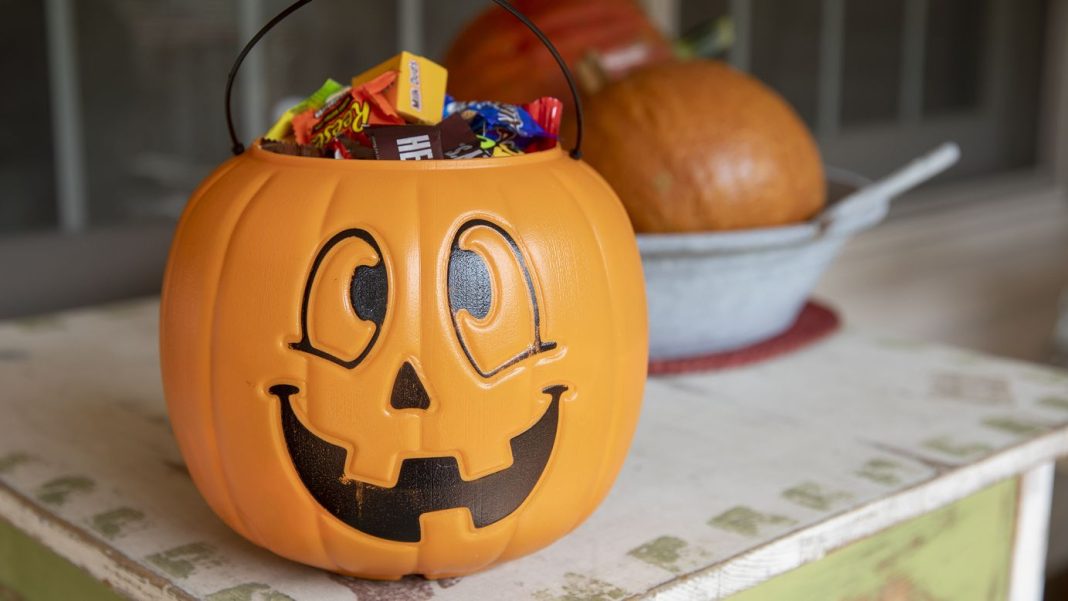
This Halloween brings a double treat for consumers: significantly higher candy prices and less chocolate in their trick-or-treat bags. Candy costs have jumped 10.8% compared to last year, nearly four times the overall inflation rate, according to a Groundwork Collaborative analysis of NielsenIQ data.
The Chocolate Squeeze
High cocoa prices have forced producers from specialty chocolate makers to candy giants to change their strategies. Consumers now face three challenges: less chocolate per package, higher prices, and reduced cocoa content meaning less chocolate-y chocolate.
Halloween spending reached $7.4 billion in 2024, a 2.2% increase from 2023, the National Confectioners Association reported. This comes despite the significant price hikes affecting popular treats.
Small Business Impact
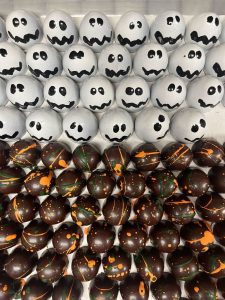
Escazú Chocolates, a bean-to-bar shop in Raleigh, North Carolina, illustrates how the crisis affects smaller producers. The company sources most beans from Latin America and pays farmers three to four times the commodity price.
The price spike has increased what Escazú pays its workers. The company has implemented several cost-cutting measures, including offering smaller hot chocolate sizes, advertising non-chocolate toppings, and moving to a cheaper Raleigh location.
Like many American small businesses, Escazú faces additional pressure from tariffs affecting both chocolate and packaging materials.
“The tariffs have hit every single every single piece of what goes into every single thing,” Tiana Young, co-owner of Escazú, told CNN. “There is no new normal.”
Shrinkflation and Formula Changes
Most Americans buy mass-produced candy, and even these consumers notice differences from previous years. Wells Fargo economist David Branch expects more shrinkflation – reducing product amounts so customers don’t feel they’re paying more.
Hershey informed retail partners in May about adjusting its “price pack architecture.” Some specialty makers are reducing cocoa content from 75% to 65% while increasing sugar.
The Gummy Alternative
Gummy candy and rising cocoa prices have developed a symbiotic relationship. Younger customers increasingly prefer chewy, sweet treats – sour candy sales grew 7% year-over-year. By producing more gummies and less chocolate, companies appeal to these preferences while protecting margins.
Companies are launching special flavors less reliant on chocolate, like cinnamon-toast-flavored KitKats, to reduce chocolate costs.
“We’re seeing more specialty products come out where they add the lower cost (fillings),” Branch said.
Price Persistence
Consumers should expect to pay as much as last year for Halloween chocolate – if not more – through Valentine’s Day. Although cocoa prices have fallen since late 2024, most producers are using beans purchased during the price peak. Energy and packaging costs have also increased.
The Root Cause: Cocoa Beans
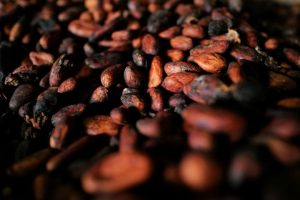
The core issue remains cocoa beans themselves. Worldwide cocoa futures surged 178% in 2024 after a 61% increase in 2023, according to FactSet. The problem originates in Ghana and Ivory Coast, which produce 60% of global cocoa and suffered poor harvests due to climate change.
Although cocoa futures dropped 46% this year, consumers face higher prices now because producers are using expensive beans harvested in 2024. Cocoa prices remain well above 2022 levels.
Brand-Specific Increases
Groundwork Collaborative found significant price hikes across major brands:
- Hershey’s variety packs: +22%
- Mars variety packs (Milky Way, M&Ms, Three Musketeers, Skittles): +12%
- Reese’s Peanut Butter cups: +8%
- Mondelez gummy candy (including Sour Patch Kids): +9.4%
In July, Hershey announced price increases for chocolate products in the “lower double-digit range,” though seasonal Halloween candy was exempted.