

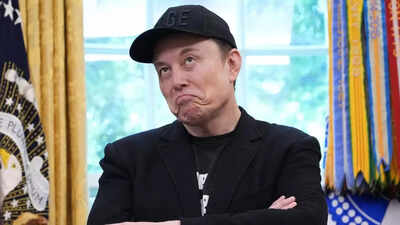
Tesla is fighting in the Delaware Supreme Court to restore Elon Musk’s $56 billion pay package—the largest in corporate history—after a lower court voided it earlier this year.
Key Takeaways
- Delaware Supreme Court is hearing Tesla’s appeal to reinstate Musk’s $56 billion compensation
- The case could redefine corporate governance standards in Delaware
- Musk’s future leadership at Tesla hangs in the balance
- Outcome may impact Delaware’s reputation as business-friendly state
The Record-Breaking Compensation Package
Elon Musk’s 2018 pay deal was tied to ambitious performance targets involving Tesla’s market value and operational growth. However, a Delaware judge ruled the approval process “deeply flawed” due to insufficient independence and transparency.
Tesla is now appealing, arguing shareholders were fully informed and voted overwhelmingly in favor of the package.
“This was the most informed stockholder vote in Delaware history,” said Tesla attorney Jeffrey Wall during oral arguments. “Reaffirming that would resolve this case.”
Why Delaware’s Reputation is at Stake
Delaware hosts more than half of all US publicly traded companies and is considered the gold standard for corporate law. This case has put its Court of Chancery under intense scrutiny.
If the Supreme Court upholds the lower court’s ruling, it could signal a shift toward stricter oversight of executive compensation. Legal experts warn this might drive companies to reconsider incorporating in Delaware, potentially undermining the state’s business-friendly reputation that generates billions in tax revenue.
Implications for Tesla and Musk’s Leadership
The stakes are equally high for Tesla. Musk’s leadership is deeply connected to the company’s brand identity and investor confidence. Failure to restore the pay package could raise questions about Musk’s long-term commitment and Tesla’s ability to retain top talent.
According to reports, Musk could still earn tens of billions from the compensation package even without meeting most ambitious targets. The Tesla board has proposed a new 10-year package that could award Musk up to $878 billion in stocks for achieving “Mars-shot” goals in robotics, autonomous driving, and massive profit targets.
However, Reuters reports indicate Musk could earn over $50 billion by meeting just a handful of easier goals without fundamentally transforming Tesla’s products or business operations.