Key Findings
- Seven extraterrestrial rock fragments found in China’s moon samples
- Fragments came from water-rich asteroids that crashed billions of years ago
- Discovery reveals how asteroids delivered water and life-building chemicals
- Samples match composition of asteroids Ryugu and Bennu
Chinese scientists have made a groundbreaking discovery in moon samples collected from the far side, uncovering seven extraterrestrial rock fragments that originated from ancient asteroids. These “extraterrestrial relics” provide crucial evidence about how water and life-building chemicals were delivered throughout our solar system.
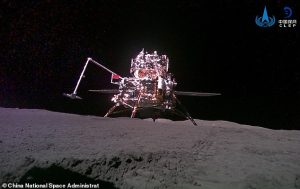
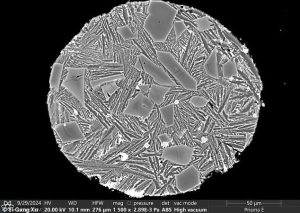
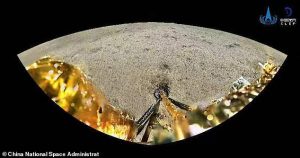
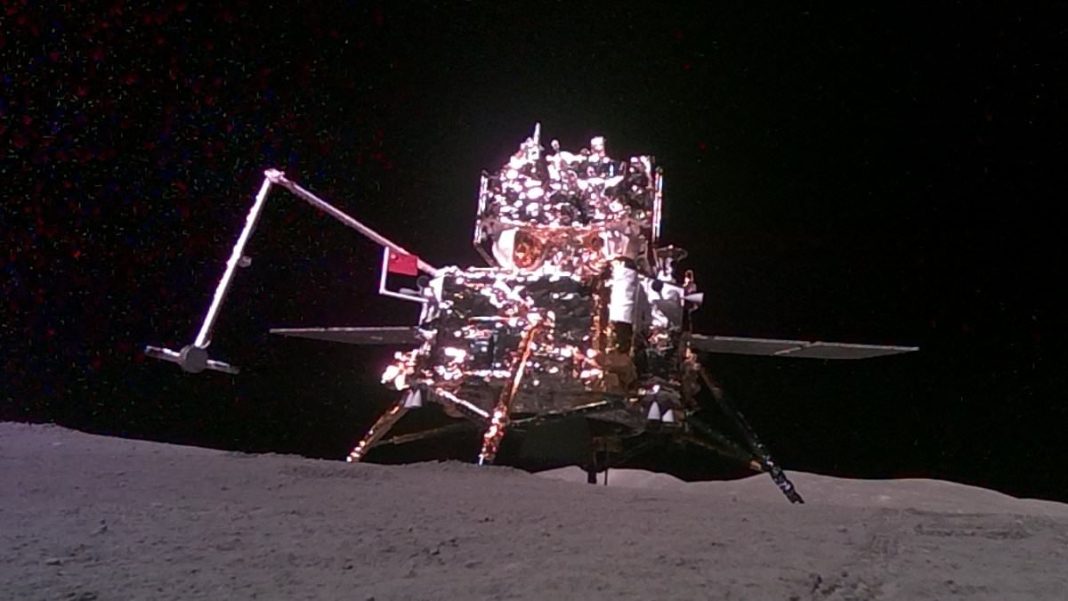
The findings come from China’s historic Chang’e-6 mission, which returned the first-ever samples from the moon’s far side in June 2024. Researchers from the Chinese Academy of Sciences examined soil from the Apollo basin crater and identified seven tiny rock pieces with chemical compositions completely foreign to the moon.
Ancient Asteroid Relics
The fragments were identified as leftovers from CI-like carbonaceous chondrites – a rare type of asteroid that formed between Mars and Jupiter. These space rocks contained remarkable features not found in typical moon rocks:
- 10-20% water trapped in clay-like minerals
- Amino acids and carbon compounds
- Lightweight gases including hydrogen, nitrogen, and sulfur
- Tiny green olivine crystals rich in iron and zinc
“This finding supports the hypothesis that asteroids played a role in delivering water and other volatiles to the lunar surface,” the research team wrote in their study published in Proceedings of the National Academy of Sciences.
Rewriting Solar System History
The asteroid fragments crashed into the moon over four billion years ago during the chaotic early formation of our solar system. The discovery suggests similar water-delivery processes occurred on both the moon and Earth, potentially explaining how our planet’s oceans formed.
Scientists believe these same asteroids may have delivered life’s building blocks to multiple celestial bodies. The research indicates similar asteroid impacts could have created ancient rivers on Mars and provided life-giving chemicals to icy moons like Europa.
The Chang’e-6 mission collected over four pounds of lunar material, providing unprecedented access to the moon’s hidden hemisphere. This discovery comes as NASA, China, and India plan additional moon missions before 2030, including crewed missions by the United States.