
Key Takeaways
- West Antarctic Ice Sheet melting could paradoxically stabilize the Gulf Stream system
- This creates a climate dilemma: save ocean currents or prevent catastrophic sea level rise
- Greenland’s melting destabilizes currents while Antarctic melting might stabilize them
- Reducing emissions remains the only way to avoid both disasters
In a startling climate paradox, melting of the West Antarctic Ice Sheet could prevent the collapse of the Gulf Stream system, according to new research from Utrecht University. However, this potential benefit comes with devastating consequences – the same melting would raise global sea levels by up to 14 feet, causing widespread flooding and destruction.
The study reveals humanity may face an impossible choice: preserve the ocean currents that keep Europe warm or prevent catastrophic sea level rise by saving the ice sheet.
The AMOC: Earth’s Climate Regulator
The Gulf Stream is part of the Atlantic Meridional Overturning Circulation (AMOC), often called the ocean’s conveyor belt. This system transports warm surface water from the tropics to the North Atlantic, where it releases heat, freezes, and sinks before returning southward in deep ocean currents.
This circulation pattern brings essential warmth to northern hemisphere regions. If the AMOC collapses, large parts of Europe and the US East Coast could experience deep freezing conditions.
Antarctic Melt’s Surprising Effect
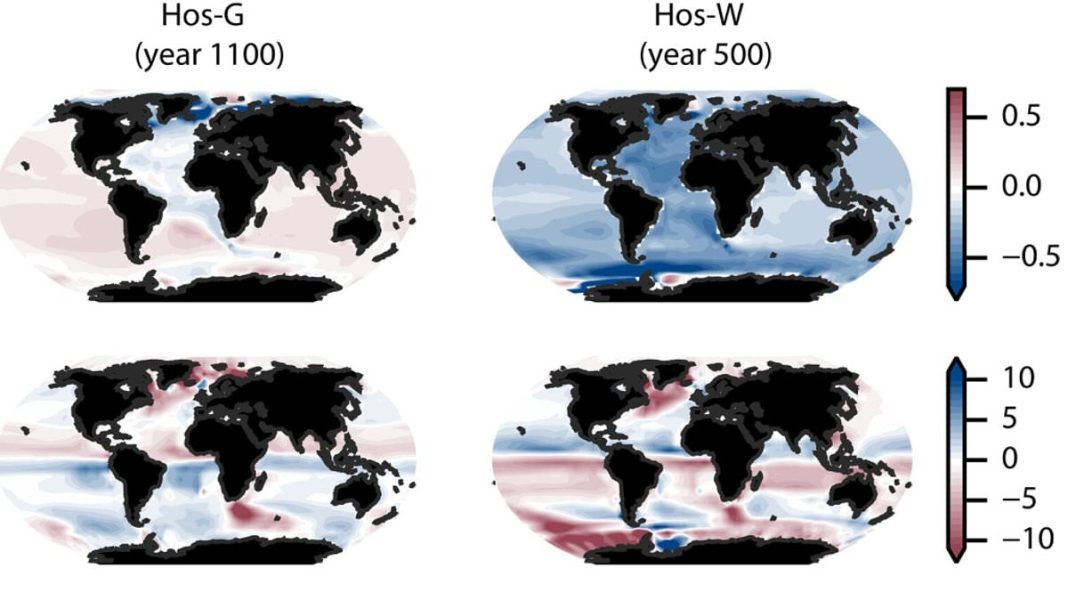
Using the CLIMBER-X climate model, researchers discovered that West Antarctic meltwater behaves differently than Greenland’s. While Greenland’s freshwater pouring into the North Atlantic destabilizes the AMOC by preventing dense water from sinking, Antarctic melting sends saltier water northward.
This saltier water helps maintain the density needed to keep the AMOC flowing, potentially preventing collapse under specific conditions. The timing and speed of melting proved crucial – rapid Antarctic melting that slows as Greenland’s melt peaks showed the strongest stabilizing effect.
‘Greenland melt generally destabilises the AMOC, whereas, as we have shown, West Antarctic Ice Sheet’s melt may, under certain conditions, stabilise it,’ Dr Sinet told the Daily Mail.
The Climate Dilemma
The research presents a troubling climate trade-off. The West Antarctic Ice Sheet contains enough ice to fill Wembley Stadium nearly three billion times. Its complete melt would reshape coastlines worldwide through massive sea level rise.
Yet saving this ice sheet might mean losing the AMOC, plunging Europe into deep freeze conditions. Study author Dr. Sacha Sinet acknowledges both scenarios are terrifying and ‘hard to tell’ which is worse.
Path Forward
Dr. Sinet emphasizes that reducing greenhouse gas emissions remains the only solution to avoid both catastrophic outcomes. The findings highlight the complex, sometimes counterintuitive ways Earth’s climate systems interact.
‘If emissions remain too high to preserve the stability of key tipping elements, then understanding whether the AMOC collapses or not becomes essential for anticipating the climate impacts that societies will need to prepare for,’ he told the Daily Mail.
The study, published in Science Advances, underscores the urgent need to understand these complex climate interactions as the planet continues warming.