

Prime Minister Narendra Modi’s recent visit to Israel highlighted the growing strategic partnership between the two countries, with Israeli leaders and institutions extending a formal welcome to the Indian leader. Visuals from Tel Aviv showed ceremonial receptions and parliamentary engagements, underscoring the strengthening diplomatic, defence, and technology cooperation between the two nations.
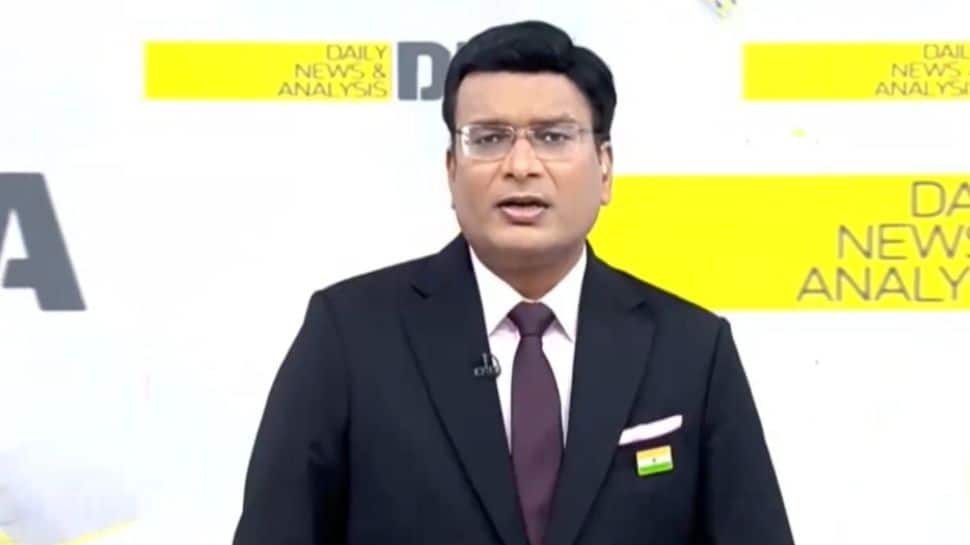
In today’s episode of DNA, Rahul Sinha, Managing Editor of Zee News, conducted a detailed analysis of the reactions and political responses triggered by the Prime Minister’s visit, particularly focusing on dissenting voices from opposition leaders regarding India’s position on Israel and Gaza.
The political debate intensified after Aga Syed Ruhullah Mehdi reposted the Prime Minister’s message from Israel’s Parliament, where Modi said he carried the greetings of 1.4 billion Indians. Responding to the post, Mehdi wrote that he did not extend greetings and instead expressed strong criticism of Israel over what he described as its occupation of Palestine and actions in Gaza. His remarks reflected concerns among some political leaders over India’s engagement with Israel amid the ongoing conflict in Gaza.
Similar concerns were raised by Asaduddin Owaisi, who reiterated his position on Gaza and highlighted India’s historical support for the Palestinian cause. Mehbooba Mufti also echoed comparable views, emphasizing humanitarian concerns related to the conflict and calling attention to civilian suffering.
Prime Minister Modi, during his address in Israel’s Parliament, stated that India supports peace and stability and seeks a peaceful resolution to the conflict. India has maintained diplomatic ties with both Israel and Palestine and has consistently called for dialogue and restraint. The visit also reflects the broader strategic cooperation between India and Israel, including defence collaboration, technological exchange, and security coordination.
The differing reactions highlight the ongoing political debate within India over foreign policy priorities, balancing strategic partnerships with Israel while also acknowledging humanitarian and diplomatic sensitivities related to Palestine and the Gaza conflict.