
Over 6 Million Donkeys Slaughtered Annually for Chinese ‘Miracle’ Serum
More than six million donkeys face brutal slaughter each year to produce ejiao, a traditional Chinese medicine marketed as an anti-ageing serum. The animal charity Brooke warns this illegal trade threatens to wipe out Africa’s entire donkey population within 15 years while devastating rural communities.
Key Takeaways
- 6+ million donkeys killed annually for ejiao production
- African donkey population could drop from 27M to 14M in 15 years
- Illegal trade continues despite 2024 African Union ban
- Ejiao market grew from $3.2B (2013) to $7.8B (2021)
The Brutal Reality of Donkey Skin Trade
Donkeys are stolen from families who depend on them, forced on grueling journeys without food or water, then brutally slaughtered. The animals are typically bludgeoned with axes or clubs before having their throats cut.
Dr. Scott Miller of This Morning, who documented the trade, stated: “Despite knowing the horrors of the donkey skin trade before visiting the Brooke teams in Africa, I was not prepared for what I witnessed. Stepping over the skulls of donkeys who had been beaten to death is something I will never forget.”
Economic Drivers and Market Growth
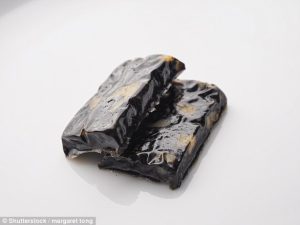
Ejiao, a gelatin-like substance made by boiling donkey hides, has been used in Chinese medicine for over 2,000 years. Historically a luxury item, China’s growing middle class has created massive demand.
The Chinese ejiao market exploded from $3.2 billion in 2013 to $7.8 billion in 2021. The finished product is legally sold worldwide on platforms including Amazon and Etsy.
Population Crisis and Conservation Threat
While global donkey numbers showed slight growth from 51.7 million to 53 million between 2019-2021, regional declines are catastrophic. Botswana lost approximately 70% of its donkey population between 2011-2021.
Dr. Raphael Kinoti, director of Brooke in East Africa, emphasizes: “The donkey skin trade is an existential threat to an entire species and must be stopped.”
Community Impact and Disease Risks
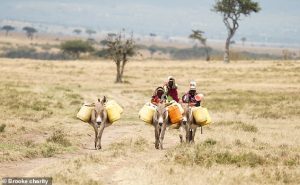
The trade devastates rural families where donkeys transport goods and water. When donkeys are stolen, women and children must assume these tasks, preventing education and economic opportunities.
The illegal transport also spreads diseases like equine influenza and African horse sickness. Critically endangered wild donkeys are increasingly smuggled alongside domestic animals, pushing them closer to extinction.
Chris Wainwright, CEO of Brooke, calls it “one of the biggest animal welfare and socio-economic threats of our age,” urging immediate global action.
Understanding Ejiao
Ejiao (阿胶) is a traditional Chinese health product believed to improve blood circulation, treat anemia, and address respiratory and skin conditions. Some claim anti-ageing and cancer prevention benefits, though these remain unproven.
The luxury product sells for over 1,000 yuan (£117) for 250 grams on Chinese platforms like Taobao and is used in foods, drinks, and skincare products worldwide.