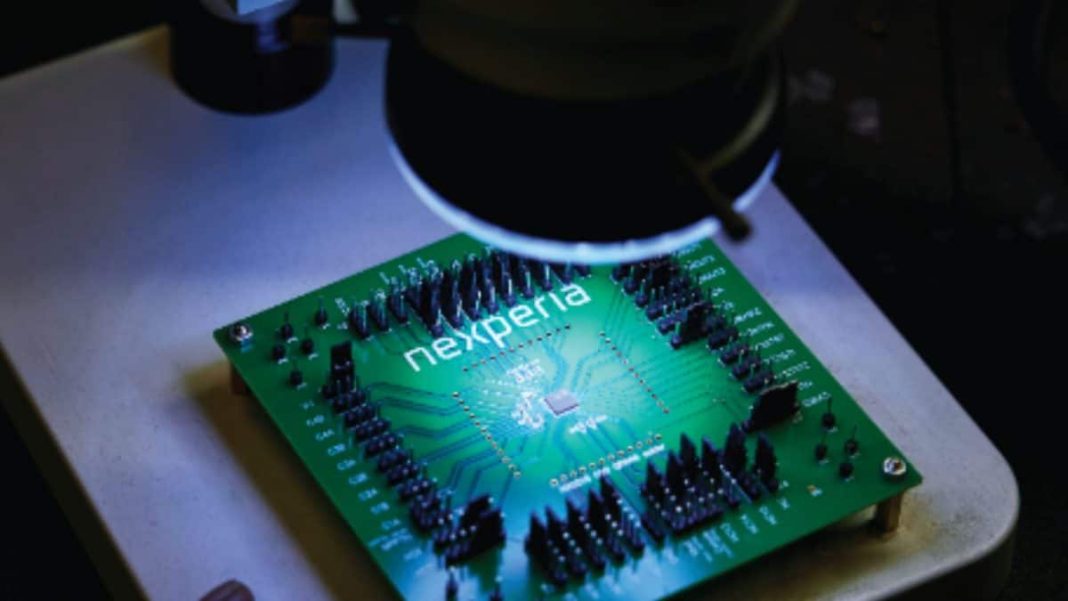
Dutch Government Seizes Control of Chinese Chip Firm Nexperia
In a dramatic escalation of global tech tensions, the Netherlands has taken temporary control of Chinese-owned semiconductor manufacturer Nexperia, citing national security risks and governance failures. The move comes just days after China tightened rare earth export controls, raising questions about potential retaliation.
Key Takeaways
- Dutch government invoked emergency powers to place Nexperia under external management
- Wingtech shares plunged 10% following the announcement
- Action follows China’s rare earth export restrictions, escalating trade tensions
- Nexperia is a critical chip supplier to European automotive and electronics sectors
Emergency Powers Invoked
The Dutch Minister of Economic Affairs revealed the government used the “Goods Availability Act” in September to take control of Nexperia, a Wingtech subsidiary. The intervention aims “to prevent a situation in which the goods produced by Nexperia would become unavailable in an emergency.”
Governance Failures Cited
The Hague acted after observing “recent and acute signals of serious governance shortcomings” at Nexperia. Officials warned these issues threatened “crucial technological knowledge and capabilities” in Europe, posing direct risks to economic security, particularly for the automotive industry.
Immediate Consequences
A Wingtech filing confirmed the government order freezes all changes to Nexperia’s assets, business, or personnel for up to one year. Wingtech Chairman Zhang Xuezheng was immediately suspended from his roles at Nexperia Holdings.
Chinese Backlash
Wingtech condemned the move as “excessive intervention driven by geopolitical bias” in a since-deleted post. The company maintained it has “strictly abided by the laws and regulations of all jurisdictions” and operates transparently across its European sites.
The confrontation marks a significant escalation in technology security measures amid growing US-China trade friction.