

Key Takeaways
- Meta won’t be forced to spin off Instagram and WhatsApp
- Judge ruled Meta does not hold a monopoly in social networking
- Court found FTC failed to prove Meta maintains monopoly power
- Ruling highlights TikTok’s emergence as Meta’s “fiercest rival”
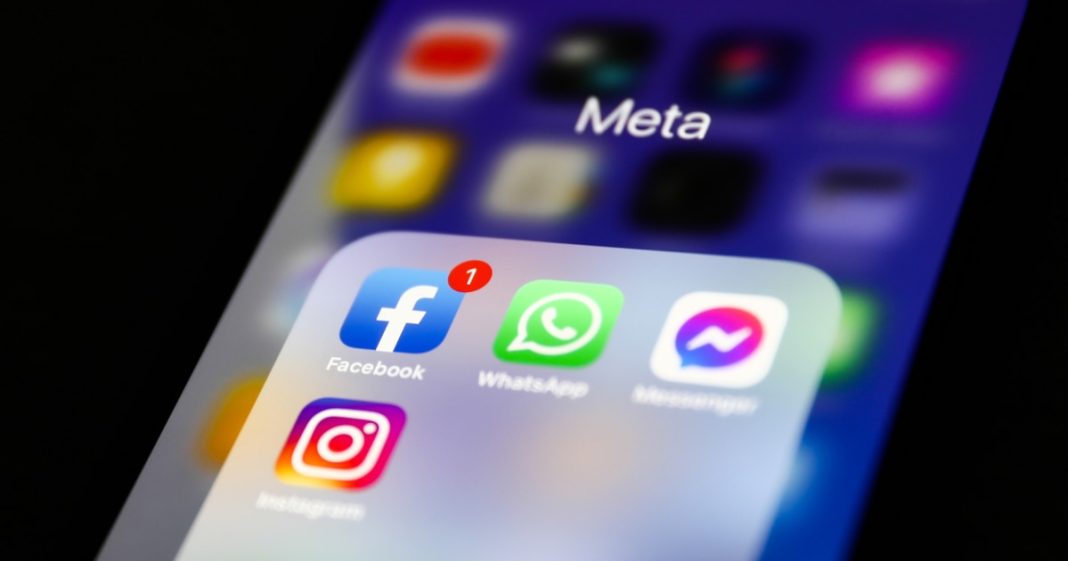
Meta has successfully defended against a major antitrust challenge that threatened to break up its business empire. A US district judge ruled that the company does not hold a monopoly in social networking, allowing it to keep Instagram and WhatsApp.
Court Rejects FTC’s Monopoly Claims
Judge James Boasberg issued the ruling Tuesday after the historic antitrust trial concluded in May. The decision represents a significant victory for Meta amid recent regulatory actions against other tech giants.
In his ruling, Boasberg wrote that the FTC “continues to insist that Meta competes with the same old rivals it has for the last decade” and maintains monopoly power through anticompetitive acquisitions. However, he determined that “the agency must show that it continues to hold such power now. The Court’s verdict today determines that the FTC has not done so.”
Zuckerberg’s “Buy Rather Than Compete” Strategy
The FTC had argued that Meta maintained its dominance through CEO Mark Zuckerberg’s 2008 strategy: “It is better to buy than compete.” The agency claimed Facebook “systematically tracked potential rivals and acquired companies that it viewed as serious competitive threats.”
During April testimony, Zuckerberg disputed the claim that Facebook acquired Instagram to eliminate a threat. When questioned about decade-old emails, he downplayed their significance, stating they represented early considerations that didn’t capture his full interest in the company.

Changing Social Media Landscape
The FTC’s complaint alleged Facebook enacted policies to hinder smaller competitors as the world shifted to mobile devices. However, Judge Boasberg noted the social media landscape has transformed dramatically since the lawsuit was filed in 2020.
He observed that earlier opinions dismissing the case in 2021 and 2022 didn’t even mention TikTok, which now “holds center stage as Meta’s fiercest rival.”
Quoting Greek philosopher Heraclitus that “no man can ever step into the same river twice,” Boasberg applied the concept to social media. “The landscape that existed only five years ago when the Federal Trade Commission brought this antitrust suit has changed markedly,” he wrote.
Instagram and WhatsApp Acquisitions
Facebook acquired Instagram in 2012 for $1 billion in cash and stock when it was a photo-sharing app with no ads and a small following. The deal’s value later dropped to $750 million after Facebook’s stock declined following its IPO.
Instagram marked Facebook’s first major acquisition kept as a separate app, moving away from the “acqui-hire” model common in Silicon Valley. Two years later, Facebook purchased WhatsApp for $22 billion.
These acquisitions helped Facebook transition from desktop to mobile and remain relevant with younger users amid competition from Snapchat and TikTok. However, the FTC maintained a narrow market definition that excluded TikTok, YouTube, and Apple’s messaging service as competitors to Instagram and WhatsApp.
Meta did not immediately respond to requests for comment on the ruling.


