

Key Takeaways
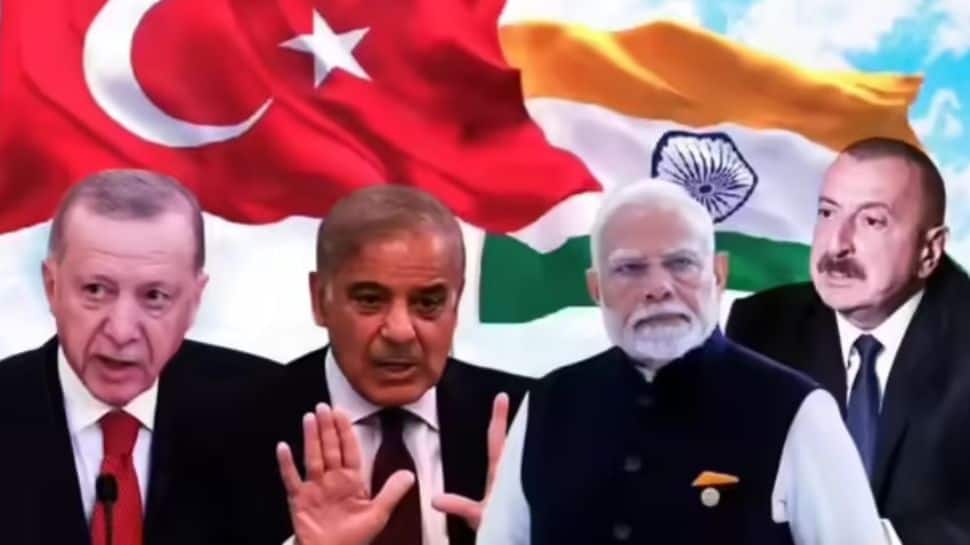
- Turkey and Azerbaijan have formed a strategic alliance with Pakistan that directly challenges India’s interests
- Military cooperation includes Turkish drone supplies to Pakistan and joint exercises
- India has responded with diplomatic pressure, trade restrictions, and strengthened ties with Armenia
Geopolitical tensions between India and the Turkey-Azerbaijan axis have intensified significantly, creating a new strategic challenge for New Delhi. The alliance, rooted in historical bonds and regional ambitions, has become increasingly confrontational following recent India-Pakistan conflicts.
Operation Sindoor: The Breaking Point
Turkey’s support for Pakistan reached new heights after India’s Operation Sindoor in early May. When Indian forces targeted terrorist camps in Pakistan-administered Kashmir following the Pahalgam tourist attack, Ankara condemned the strikes and warned of potential all-out war.
Turkish President Recep Tayyip Erdoğan personally called Pakistani Prime Minister Shehbaz Sharif, praising Islamabad’s “calm and restrained reaction” and offering diplomatic assistance.
India’s Ministry of External Affairs responded firmly, demanding Turkey curb support for cross-border terrorism and take “credible and verifiable actions” against terror networks.
The Turkey-Pakistan Military Nexus
Historical Islamic solidarity has evolved into concrete military cooperation between Turkey and Pakistan. Ankara supplies Islamabad with advanced drones including Asisguard and Songar models, significantly enhancing Pakistan’s capabilities.
Indian security forces report between 300-400 Turkish-made drones were used in cross-border infiltration attempts on May 8-9. The recovery of a Turkish kamikaze drone from Naushera in Jammu & Kashmir confirmed foreign combat equipment’s use in frontline hostilities.
This partnership has transformed from diplomatic support to an active strategic bloc countering Indian influence across multiple domains.
Azerbaijan’s Alignment Against India
Azerbaijan has positioned itself clearly against New Delhi, condemning India’s military actions and calling for diplomatic resolutions. The 2021 Shusha Declaration formalized the Turkey-Azerbaijan defense and economic partnership, creating a regional defense production hub.
Infrastructure cooperation through the “Middle Corridor” linking Central Asia, Azerbaijan and Turkey further solidifies their long-term alignment.
Azerbaijan’s hostility stems partly from India’s growing defense relationship with Armenia. New Delhi supplies Yerevan with advanced weapons systems like the Akash surface-to-air missile, directly impacting Azerbaijan’s Nagorno-Karabakh territorial disputes.
The “Three Brothers” Alliance
Turkey, Azerbaijan and Pakistan now operate as a trilateral “Three Brothers” alliance conducting joint military exercises, supporting each other in international forums, and backing territorial claims including Kashmir.
This framework represents more than symbolic solidarity—it actively challenges India’s strategic choices and complicates New Delhi’s security calculations across South Asia and the Caucasus.
India’s Countermeasures
The diplomatic fallout has triggered tangible consequences. Indian travelers have canceled trips to Turkey and Azerbaijan, while boycott campaigns gained momentum following the countries’ support for Pakistan.
New Delhi revoked security clearance for Turkish ground-handling firm Çelebi Airport Services, citing national security concerns related to Turkey’s military cooperation with Pakistan.
India has also used multilateral platforms to signal disapproval, emphasizing that bilateral ties must respect “core concerns.” Azerbaijan accuses India of blocking its SCO membership bid in retaliation for Baku’s Pakistan support.
Strategic Implications
For Turkey, the alliance helps rebuild influence in the Muslim world and assert regional leadership. Azerbaijan gains strengthened alliances and pushes back against India’s growing Caucasus footprint through Armenia.
India views this tripartite alignment as a deliberate containment strategy targeting Indian influence across multiple regions. While New Delhi recalibrates by strengthening ties with Armenia and other partners, the Turkey-Azerbaijan axis represents a persistent and growing strategic challenge.
The institutionalized cooperation through summits and formal declarations ensures this geopolitical fault line will continue shaping regional dynamics for the foreseeable future.


