

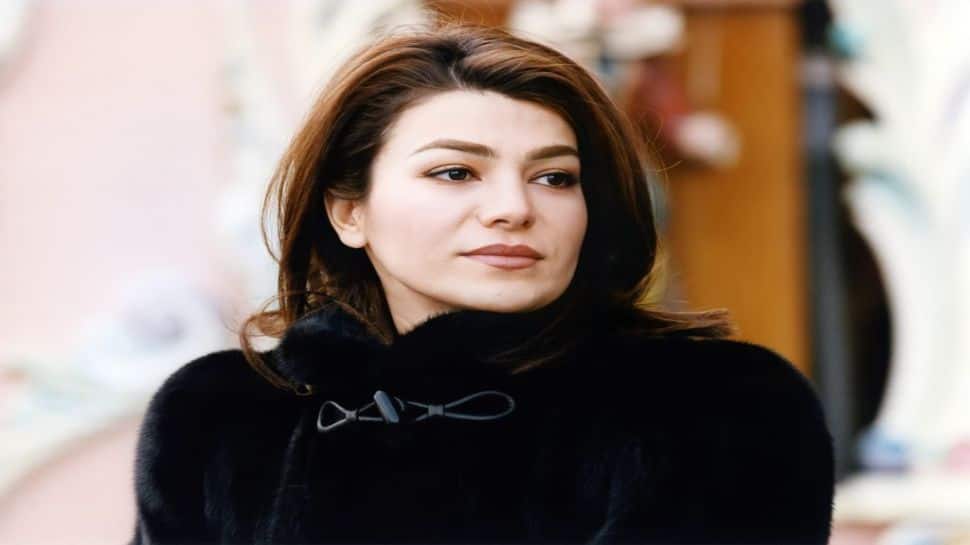
The Tragic Life of Princess Leila Pahlavi: Exile, Loneliness, and a Death at 31
Key Takeaways:
- Princess Leila Pahlavi, youngest daughter of Iran’s last Shah, died by suicide in a London hotel at age 31.
- Her life was defined by exile after the 1979 Iranian Revolution, leading to profound depression and an eating disorder.
- Her story highlights the human cost of political upheaval and the struggles of displaced royalty.
Princess Leila Pahlavi’s life, which ended in a lonely London hotel room, stands as a stark counterpoint to the fairy-tale image of royalty. The youngest daughter of the last Shah of Iran, her existence was shattered by revolution, leading to a decades-long battle with exile, identity, and mental health that culminated in her tragic death at just 31.
From Palace Luxury to Exile
Born in Tehran in 1970, Leila Pahlavi spent her early childhood in the opulent Niavaran Palace. This privileged world vanished when she was nine, as the forced the royal family to flee. The sudden loss of home and status during formative years left a deep, lasting wound.
A Life of Dislocation and Struggle
The family’s exile took them across multiple countries before settling in the United States. The 1980 death of her father, the Shah, compounded the trauma. Described as sensitive and introverted, Leila struggled to adapt. She studied at Brown University but felt isolated, caught between a vanished royal past and an uncertain future.
Her personal battles intensified over time. She grappled with severe depression and anorexia, conditions exacerbated by the weight of her family’s legacy and her own sense of dislocation. A move to London in the 1990s for a fresh start and interior design studies could not alleviate her deepening psychological pain.
A Tragic End in London
On June 10, 2001, Princess Leila Pahlavi was found dead in her room at the Leonard Hotel. A coroner ruled her death a suicide resulting from an overdose of barbiturates. The news devastated the exiled Iranian community and her family.
“Once again, the cruel hand of sorrow has gripped my family… My little girl Leila, who suffered so much from a young age, has left us forever,” said her mother, Empress Farah Pahlavi.
A Legacy of Loss
Buried beside her father in Paris’s Passy Cemetery, Leila Pahlavi’s simple grave contrasts sharply with the grandeur of her origins. Her story is a poignant chapter in the history, underscoring the profound human cost of political revolution and the heavy burden carried by those displaced from power and homeland.


