
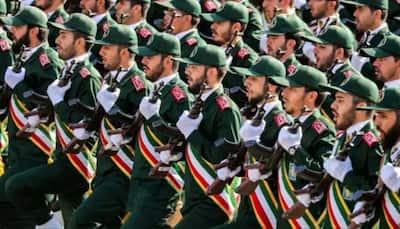
EU Labels Iran’s Revolutionary Guard as Terrorist Group
The European Union has formally designated Iran’s Islamic Revolutionary Guard Corps (IRGC) as a terrorist organization. This landmark decision imposes an asset freeze and travel ban across all 27 member states, marking a major escalation in EU-Iran tensions.
Key Takeaways
- The EU’s 27 foreign ministers unanimously approved the IRGC blacklist.
- The IRGC now faces an EU-wide asset freeze and travel restrictions.
- Iran had previously warned of retaliation against such a move.
- The decision cites human rights abuses and support for regional terrorism.
Why Now? Escalating Concerns
The EU had deliberated on this step for months, balancing diplomatic relations with growing alarm. Recent criticisms of Iran’s human rights record and its military support for Russia’s war in Ukraine proved decisive.
In an official statement, the bloc accused the IRGC of “serious human rights violations in Iran and for supporting terrorist activities in the region.”
What This Means for Iran
The IRGC is not just a military branch; it’s a dominant economic and political force within Iran. This blacklist is a significant blow, likely to deepen Iran’s international isolation and complicate its foreign engagements.
Analysts expect a strong retaliatory response from Tehran, which had explicitly warned against the designation. The move further strains the already fragile relationship between Europe and Iran.


