

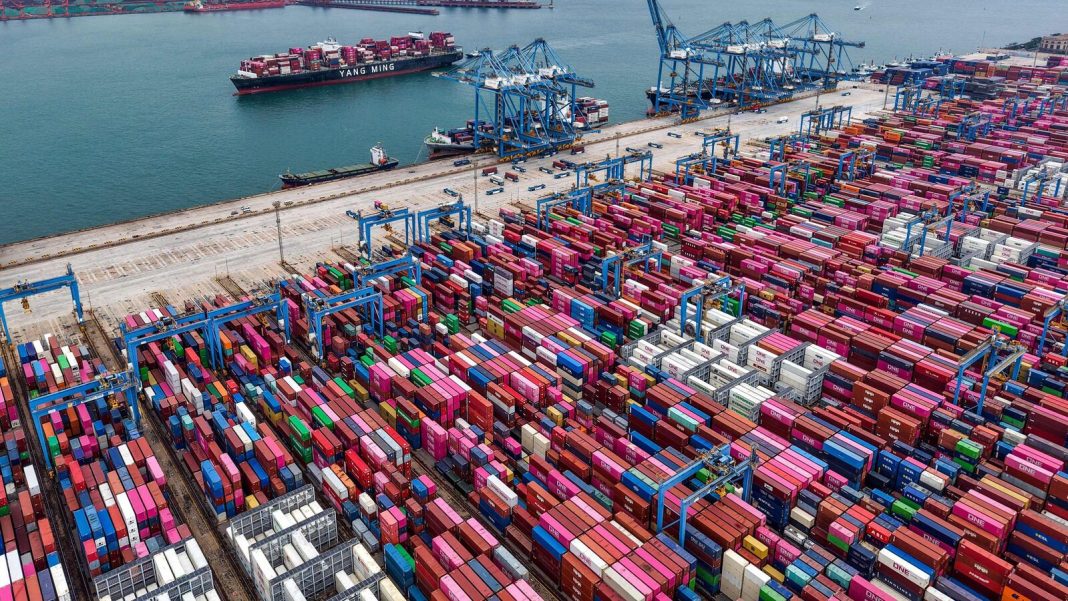
China’s Trade Surplus Hits Record $1.2 Trillion Despite US Tariffs
Key Takeaways:
- China’s trade surplus reached a historic $1.2 trillion, the largest ever recorded by any nation.
- Robust exports, a weaker yuan, and dominant manufacturing fueled the growth, even amid US tariffs.
- The surplus amplifies China’s global economic influence but raises questions about its long-term sustainability.
China’s trade surplus with the world has ballooned to an unprecedented $1.2 trillion, defying the impact of tariffs imposed during the Trump administration. This record figure underscores the resilience of China’s export engine and its pivotal role in global supply chains.
What Drove the Record Surplus?
The surge is attributed to multiple factors. A weaker Chinese yuan made exports more competitive globally. Simultaneously, strong international demand, particularly for electronics, machinery, and textiles, kept export volumes high. China’s manufacturing dominance, backed by a vast labor pool and efficient supply chains, allowed it to produce goods at lower costs than many competitors.
Limited Impact of US Tariffs
Former President Donald Trump’s tariffs, aimed at reducing the US trade deficit with China, had little effect on curbing the surplus’s growth. The trade gap continued to expand, remaining a persistent source of tension between the two economic superpowers.
Global Implications and Future Outlook
This massive surplus significantly boosts China’s economic clout and its capacity for overseas investment. However, it also sparks concerns about the sustainability of an export-reliant growth model and the potential for escalated trade conflicts.
Analysts expect the surplus to remain elevated, driven by sustained demand and China’s entrenched position in global manufacturing. The figure stands as a testament to the country’s economic adaptability, even as it reshapes international trade dynamics and geopolitical relations.


