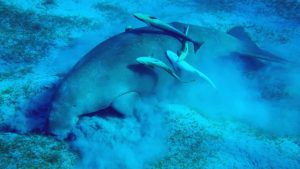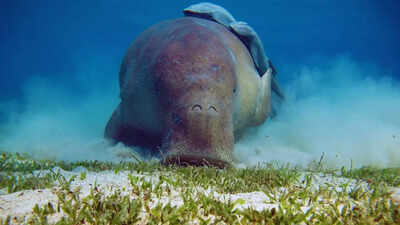
In encouraging news for India’s marine conservation story, and for nature-focused coastal tourism, a recent survey has recorded 270 dugongs along the Tamil Nadu coastline, marking the country’s largest remaining viable population of the endangered marine mammal.
The study, conducted by the Wildlife Institute of India in partnership with the Tamil Nadu Forest Department, found 158 dugongs in Palk Bay and 112 in the Gulf of Mannar. Together, these two seagrass-rich regions now represent India’s strongest refuge for the species, often referred to as “sea cows” for their gentle grazing habits.
A rare marine success story
Dugongs once ranged widely across Indian waters, but today their presence is fragmented. Apart from Tamil Nadu’s coast, smaller and more vulnerable populations survive in the Gulf of Kutch and the Andaman and Nicobar Islands. Experts say the numbers in these areas remain limited compared to the relative stability seen in Palk Bay and the Gulf of Mannar.
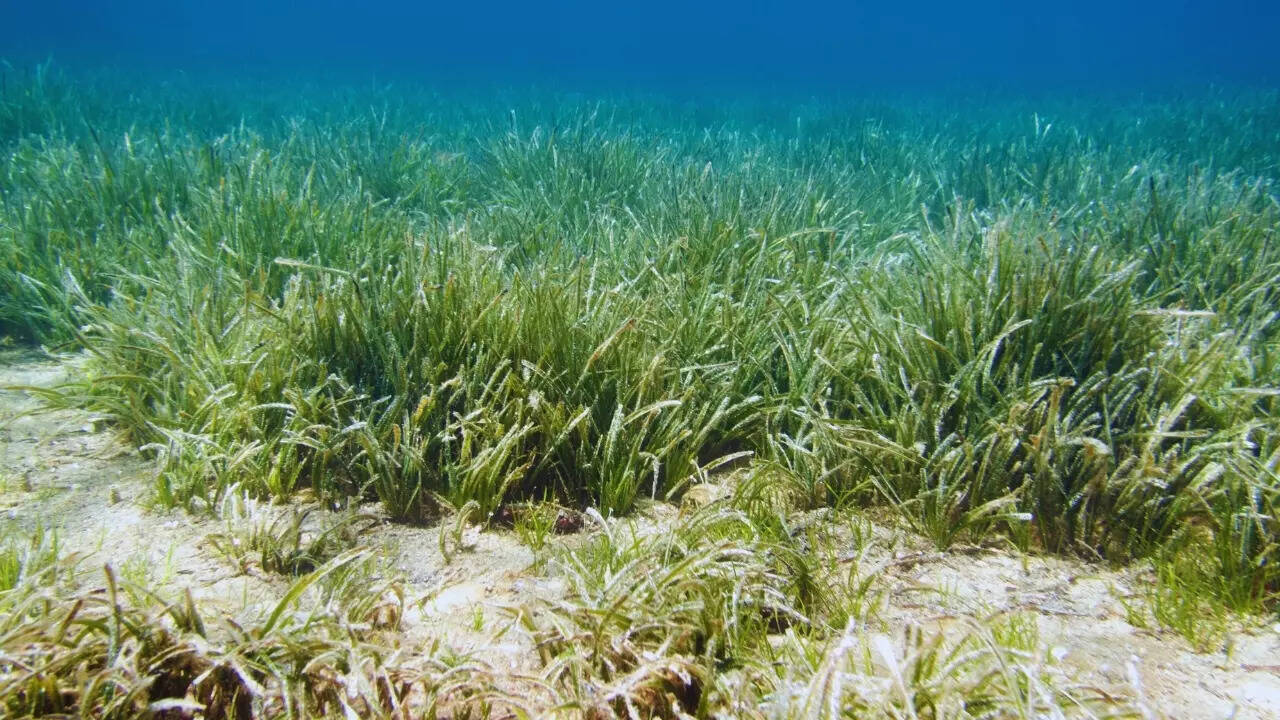
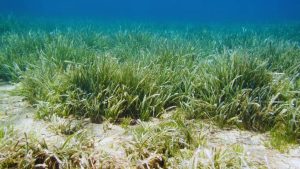
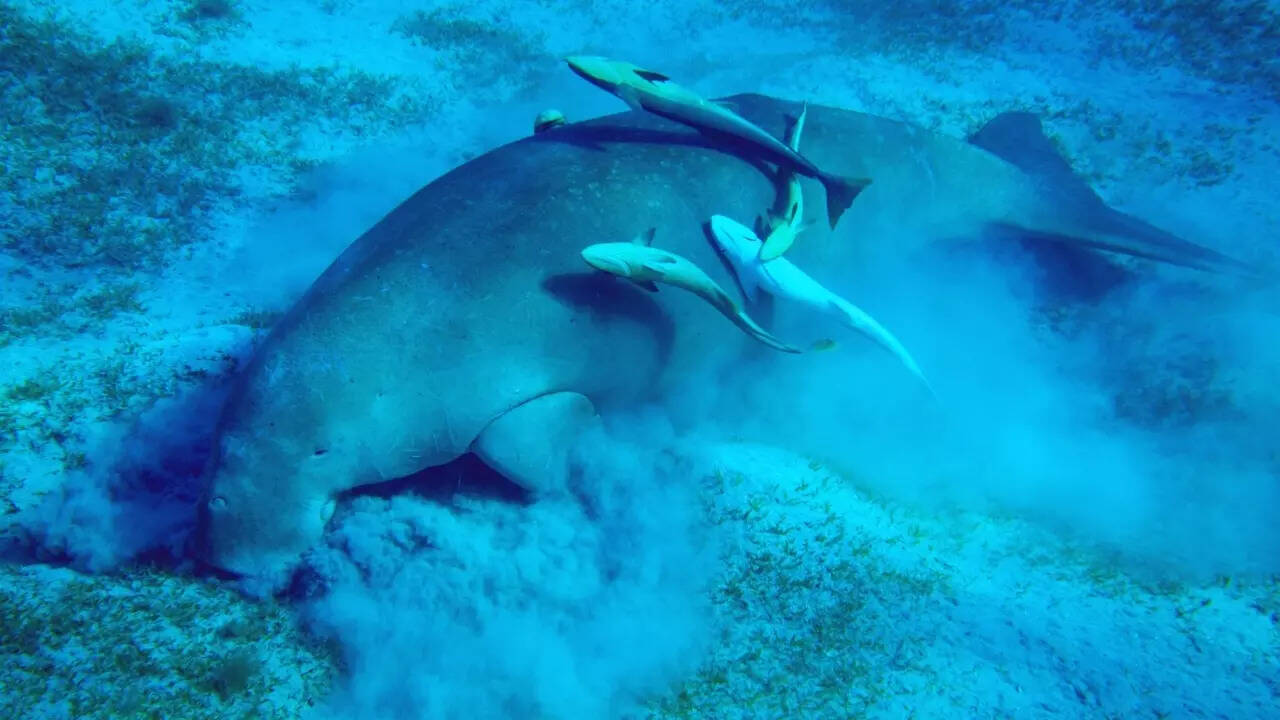
The reason lies beneath the waves. Dugongs are almost entirely dependent on seagrass meadows, which are essentially underwater pastures. These areas are also home to fish nurseries, help in the storage of carbon, and are responsible for biodiversity.
The shallow waters of Palk Bay and the Gulf of Mannar have some of the most extensive seagrass beds found in India.
The survey teams have also spotted the presence of mother-calf pairs, which is an encouraging sign of breeding. This is an important indicator for the survival of the species, as they are slow reproducers.
Conservation driving stability
The stability of the population is being attributed to the continued conservation efforts under the Dugong Recovery Programme, which is being carried out by the Wildlife Institute of India. The funding for the same has been provided by the Compensatory Afforestation Fund Management and Planning Authority (CAMPA).
In addition, the Tamil Nadu Forest Department has also worked towards involving the fishing community. The fishing community has been an important contributor towards the conservation of the species, as the main cause of death is getting entangled in fishing nets. A landmark move was the notification of the 448 sq km Dugong Conservation Reserve in Palk Bay, formally protecting critical habitat in one of the species’ core zones.
Boost for responsible coastal tourism
For travellers, this development highlights Tamil Nadu’s lesser-known marine treasures. While the state is famous for its temple towns and heritage sites, its coastal ecosystems, especially around the Rameswaram coast and the Gulf of Mannar, are slowly being identified for their ecological value.
The authorities are planning to set up the first-ever Dugong Conservation Centre in Manora, Thanjavur district.
Why dugongs matter
Dugongs are ecologically important grazers of seagrass meadows. As grazers of seagrass meadows, dugongs play an important role in maintaining the quality of seagrass growth by controlling its height. Their presence is often considered a marker of healthy marine ecosystems.
Globally, dugongs remain under pressure due to habitat degradation and bycatch. India’s stabilising numbers along the Tamil Nadu coast therefore represent a rare and hopeful narrative in marine conservation. For travellers seeking meaningful coastal experiences, the story unfolding in Palk Bay and the Gulf of Mannar is a reminder that some of India’s most inspiring conservation successes are happening quietly, beneath the surface of its southern seas.