India is located on the northward-moving Indian tectonic plate. This plate is constantly colliding with the Eurasian plate. Because of this constant movement of the plates, the country faces the risk of earthquakes. The Bureau of Indian Standards revises the seismic hazard zones in the country from time to time with the help of the Earthquake Design Code, IS 1893:2025. In the revised seismic zonation map of 2025, the most prominent change was the introduction of Zone VI, which represents the highest seismic hazard. Earlier, the country was divided into four zones, namely II, III, IV, and V. Now, the country is divided into five seismic zones, namely II, III, IV, V, and VI.
Here is the list of the different zones of India from the highest to the lowest.
Zone VI — Extreme seismic hazard
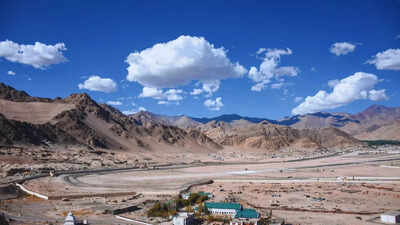
Zone VI is the newly introduced highest-risk category in India’s updated seismic classification. This zone mainly includes the entire Himalayan arc, which is considered one of the most tectonically active regions on Earth. Regions falling in this category include parts of Jammu and Kashmir, Ladakh, Himachal Pradesh, Uttarakhand, Sikkim and sections of Arunachal Pradesh.

Zone V – Very high seismic risk
Zone V is the second highest category of earthquake risk in India. This zone comprises regions that have a high probability of facing high-intensity earthquakes. Some of the regions that fall into this category include Northeastern parts of India, Andaman and Nicobar Islands, and parts of the Himalayas. Some parts of the Rann of Kutch also come under this high-risk category.
Zone IV – High seismic risk
Zone IV comprises regions that are at a high risk of facing earthquake risk, though to a lesser degree than Zone V and Zone VI. Some of the major regions that fall into this category include the national capital region around Delhi and parts of Haryana, Bihar, West Bengal, and parts of Gujarat. These regions are at a high risk because they are located near the Himalayas.

Zone III
In Zone III, a substantial portion of India is included. Zone III is a moderate level of earthquake hazard. Some of the states included in Zone III are Maharashtra, Karnataka, Kerala, and Tamil Nadu. Though earthquakes are less common in these regions when compared to the Himalayan belt or Northeast India, moderate-level earthquakes can occur in these regions.
Zone II
Zone II is included in the list of earthquake hazards in India. Zone II is the lowest level of earthquake hazards in India. Most of the peninsular region is included in Zone II. Though Zone II is included in a lower level of earthquake hazards when compared to other regions in India, earthquakes can occur in these regions as a result of intraplate earthquakes.