

Key Takeaways
- Direct-to-Mobile (D2M) technology will enable streaming without internet
- Targets over 200 million feature phone users initially
- Live TV, movies, sports, and emergency alerts via broadcast signals
- Phones priced Rs 2,000-2,500 expected within six months
- National rollout possible after ongoing trials in 20+ cities
India is set to revolutionize mobile entertainment with Direct-to-Mobile (D2M) technology that enables streaming content without internet data or Wi-Fi. This breakthrough could benefit hundreds of millions of users, particularly those in areas with poor connectivity.
What is Direct-to-Mobile Technology?
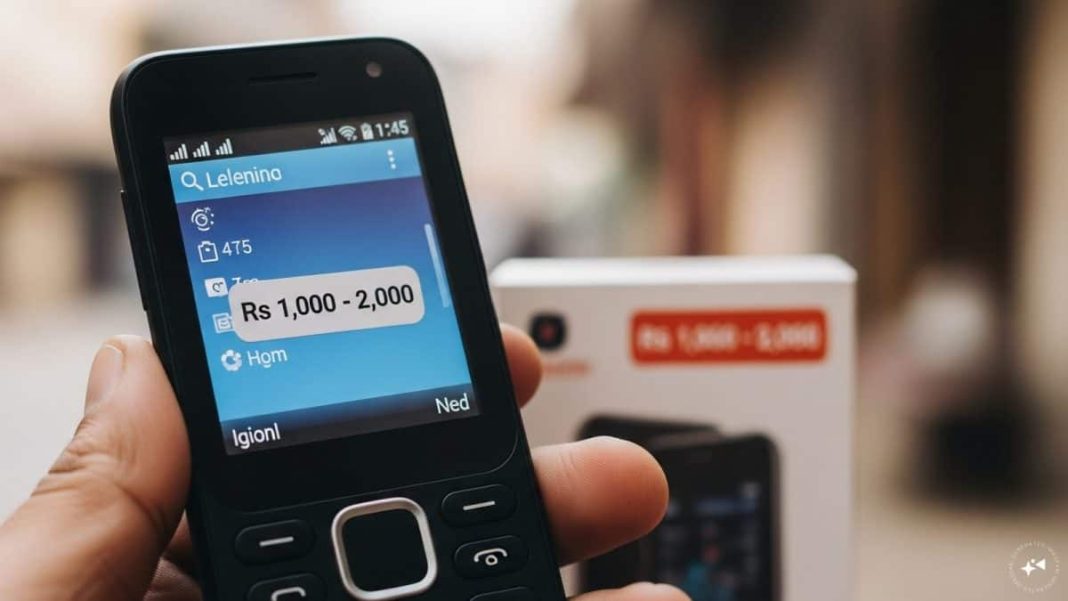
D2M allows mobile phones to stream live content directly from satellite and broadcast towers, functioning similarly to FM radio and direct-to-home broadcasting. The technology transforms phones into television receivers using broadcast signals, making it accessible even on basic feature phones costing Rs 1,000-2,000.
Unlike mobile networks, D2M streams are unlikely to crash during heavy congestion, ensuring reliable access to TV shows, movies, and live sports.
How D2M Technology Works
Phone manufacturers Lava and HMD are developing devices in the Rs 2,000-2,500 range with SL-3000 chipsets developed by Tata-owned Saankhya Labs. Initial content will come from public broadcaster Prasar Bharati, with smartphone versions planned later.
Parag Naik, Executive Vice President of Tejas Networks, stated: “This is the very first time that India-made silicon is getting a socket in the phone ecosystem. This will enable more than 200 million feature phone users to access content without the internet and at zero access cost.”
Implementation Timeline and Challenges
Successful trials have already occurred in Delhi and Bengaluru. Over the next six to nine months, testing will expand to nearly two dozen cities using Prasar Bharati’s infrastructure before potential nationwide rollout.
Beyond entertainment, the government plans to use D2M for breaking news, public announcements, and emergency alerts, particularly in rural and remote areas. However, telecom companies have expressed resistance due to potential impact on data pack revenues.
Lava International’s Sanjeev Agarwal confirmed: “We are looking at a time span of six months to bring the feature phone model to the market in the range of Rs 2,000 to Rs 2,200.”
Technical Requirements and Future Potential
IIT Kanpur’s 2022 white paper highlighted that current phones lack D2M compatibility, requiring additional hardware including baseband processing units, antennas, and receivers. Establishing the nationwide network may cost approximately Rs 8,000 crore.
Once operational, broadcasters could deliver multiple applications including TV and radio through a centralized system at minimal cost to users.