

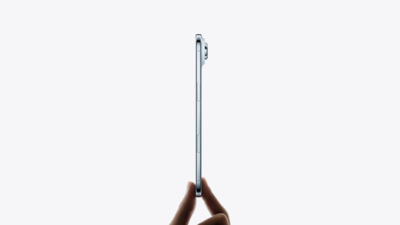
Key Takeaways
- Xiaomi, Oppo, and Vivo cancel ultra-slim phone projects following Apple iPhone Air’s poor performance
- Samsung also scraps Galaxy S26 Edge due to similar market rejection
- Consumers prioritize camera quality, battery life over thin designs at premium prices
In a significant market shift, Chinese smartphone giants Xiaomi, Oppo, and Vivo have abandoned their ultra-slim phone projects after Apple’s iPhone Air failed to attract buyers. This marks a rare instance where Chinese manufacturers are not following Apple’s design lead.
iPhone Air’s Market Struggles
The iPhone Air’s disappointing performance has been substantial. Apple supplier Foxconn has dismantled most production lines for the device, while manufacturer Luxshare completely ended production in October.
A Wall Street Journal survey revealed only 10% of iPhone 17 buyers chose the Air model during initial sales. Priced at $999, the 5.6mm-thick device sits just $100 below the iPhone 17 Pro, which offers superior triple cameras, better battery life, and improved thermal management.
Bloomberg’s Mark Gurman noted Apple expected the Air to capture just 6-8% of new iPhone sales, essentially treating it as “a technology exercise and a prototype” for the company’s upcoming foldable iPhone.
Samsung Faces Similar Challenges
Samsung has encountered identical problems with its Galaxy S25 Edge. The $1,099 ultra-thin flagship suffered from thermal issues due to inadequate cooling and poor battery life from its 3,900mAh capacity.
The device’s compromises—including a less versatile dual-camera system—failed to justify its premium pricing, leading Samsung to reportedly cancel the Galaxy S26 Edge successor entirely.
Consumer Preferences Shift
The pattern clearly indicates consumers aren’t willing to sacrifice camera capabilities, battery capacity, and thermal performance for thinner profiles, especially at premium price points.
Apple has removed a second-generation iPhone Air from its fall 2026 schedule, though engineers continue development work on an improved version with better battery optimization. The company may release a redesigned model as early as spring 2027, though no timeline is confirmed.


