

13.1 C
Delhi
Thursday, January 15, 2026

India’s Space Startups Target Defence with Surveillance & Launch Tech

Military Surveillance Emerges as Key Frontier for India’s Space Startups

Key Takeaways:

  • Indian space startups like Pixxel, Digantara, and Skyroot are pivoting to the lucrative defence market.
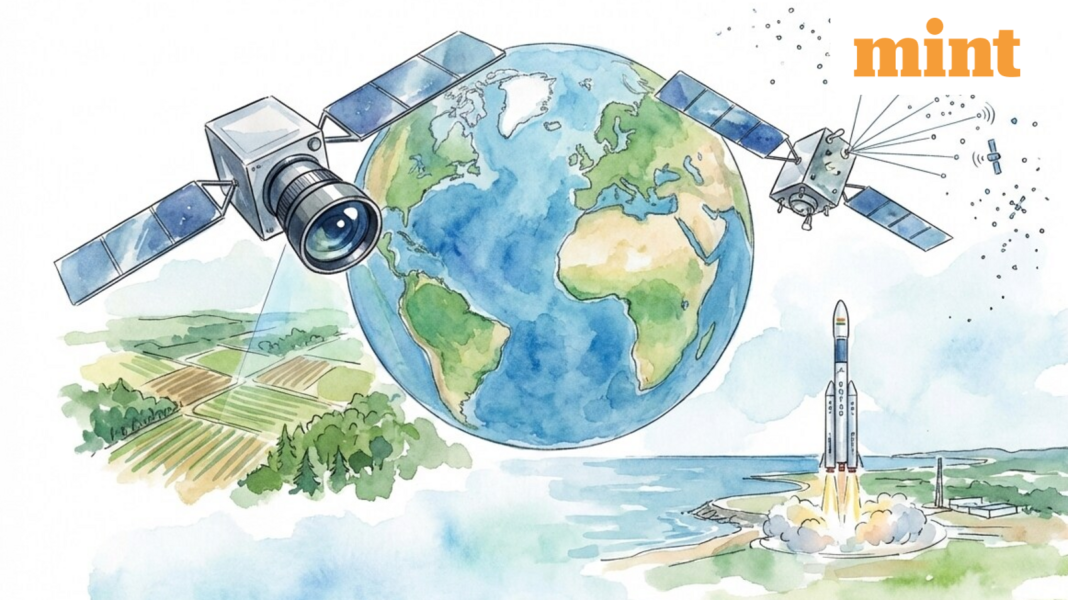
  • They offer hyperspectral imaging, space weather tracking, and responsive launch services for military needs.
  • Government policy reforms are creating a favourable environment for private sector participation in defence space tech.

India’s private space sector is strategically shifting towards defence, a multi-billion dollar market offering steady revenue and a path for technological advancement. This move is driven by global demand for space-based intelligence and India’s push for self-reliance.

Startups Leading the Charge in Defence Space Tech

Companies are developing niche solutions for military applications. Pixxel is building hyperspectral imaging satellites for detailed surveillance. Digantara focuses on space situational awareness to protect assets. Skyroot Aerospace offers on-demand launch capabilities for defence payloads.

“The defence sector presents a significant opportunity for space startups in India,” said Awais Ahmed, founder and CEO of Pixxel. “There is a growing need for advanced surveillance and reconnaissance capabilities, and space-based assets offer a unique advantage in terms of coverage and persistence.”

Government Policy Fuelling the Shift

The Indian Space Policy 2023 and Defence Acquisition Procedure 2020 have streamlined the framework for collaboration. These policies encourage indigenous technology development and simplify procurement for defence agencies.

“Startups can iterate quickly and develop tailored solutions for specific defence requirements,” said Rajeev Jyoti, a former DRDO director. “This complements the work being done by established players like ISRO.”

Navigating Challenges and Building Trust

The path is not without hurdles. Startups face lengthy procurement cycles, stringent certifications, and complex regulations around sensitive technologies. Building long-term trust with defence customers is critical.

“Building trust is key,” said Anirudh Sharma, CEO of Digantara. “Defence customers need assurance that the technology is reliable, secure and can be sustained over the long term.”

A Dual-Use Future and Global Ambitions

The potential rewards are immense, with the global military space market valued in the tens of billions. For Indian startups, success in defence provides financial stability to scale and compete internationally. The convergence of civilian and defence space technology—a dual-use future—is seen as a major growth driver for a self-reliant Indian space enterprise.

“The future of space is dual-use,” said Sharma. “Technologies developed for civilian applications often have defence relevance, and vice versa. By fostering a vibrant startup ecosystem, India can harness this convergence.”


Latest

McKinsey Makes AI Tool Mandatory in Job Interviews for Hiring

McKinsey now requires candidates to use its 'Lilli' AI tool during interviews. Failure to use it could lead to rejection, highlighting a major shift in hiring skills.

X Bans Grok AI From Real People Bikini Edits, Allows AI Characters

Elon Musk says X's Grok AI is now banned from creating undressing images of real people, but a major loophole permits the same for AI-generated characters.

YouTube Allows Full Ad Revenue on Controversial, Non-Graphic Content

YouTube's new policy lets creators monetize news and educational content on sensitive topics like war and politics, reversing previous demonetization rules.

Microsoft Shuts Down AI Scam Service Creating Fake LinkedIn Profiles

Microsoft dismantles a US-UK subscription service that bypassed LinkedIn security to enable 'pig butchering' financial scams. Learn how to stay safe.

Verizon Outage: How to Use Satellite Messaging on iPhone & Android

Stay connected during the Verizon network outage. Learn how to send messages via satellite on iPhones and Android phones when your device is in SOS mode.

Topics

Iran Threat to Close Strait of Hormuz Risks Global Oil Price Spike

Iran's threat to shut the vital Strait of Hormuz, a channel for 20% of world oil, could disrupt supplies and raise energy prices amid tensions with the West.

India’s Oil Strategy Shifts as US Sanctions Hit Russia and Venezuela

Facing dual sanctions pressure, India pivots oil imports to the Middle East and accelerates de-dollarization payments to secure its energy needs.

Bill Gates Foundation Begins Wind-Down, Announces Major Layoffs

The $75.2 billion Bill & Melinda Gates Foundation starts a 25-year shutdown plan, cutting 8% of staff. Explore the impact on global philanthropy.

Kashmiri Parents Seek Govt Help to Evacuate Kids from Iran Unrest

Families from J&K appeal to India for urgent evacuation of students stranded in Iran amid protests. Officials are monitoring the situation.

Kuwait Launches Real-Time Lease Registration Alerts on Sahel App

Kuwait residents now get instant phone notifications when rental contracts are officially registered, enhancing transparency and tenant protection.

Akmal Urges Rizwan to Leave BBL, Focus on Pakistan Duty

Former Pakistan star Kamran Akmal calls for Mohammad Rizwan to return from poor BBL form and prepare for the crucial South Africa series.

NZ Beat India by 6 Wickets as Mitchell, Latham Centuries Level Series

Daryl Mitchell and Tom Latham hit centuries as New Zealand chased 350 to beat India in the 2nd ODI, tying the series 1-1 ahead of the Rajkot decider.

McKinsey Makes AI Tool Mandatory in Job Interviews for Hiring

McKinsey now requires candidates to use its 'Lilli' AI tool during interviews. Failure to use it could lead to rejection, highlighting a major shift in hiring skills.
spot_img

Related Articles

Popular Categories

spot_imgspot_img