

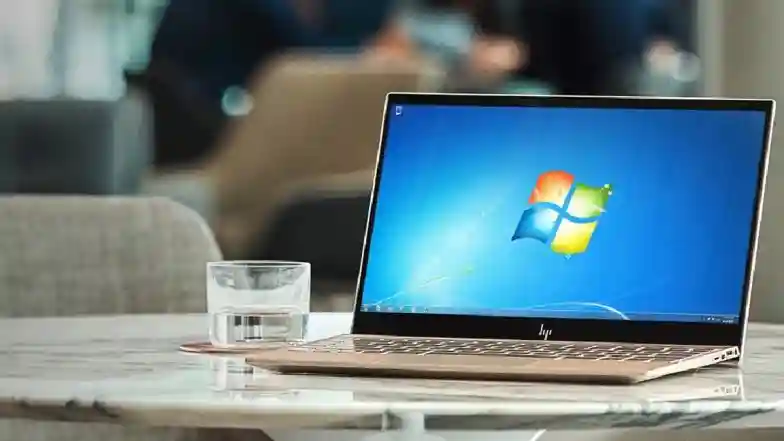
Microsoft Windows 10 Support Ends Today: Key Takeaways
Microsoft has officially ended support for Windows 10 as of October 14, 2025. This means the operating system will no longer receive security updates, technical assistance, or feature improvements from Microsoft, leaving devices vulnerable to security threats.
- Windows 10 will continue to function, but without critical security patches.
- Users should upgrade to Windows 11 or enroll in the Extended Security Updates (ESU) program.
- Older devices may require replacement to maintain security and compatibility.
What Does End of Support Mean for Your PC?
While your Windows 10 computer will keep working, the absence of security updates significantly increases risks from viruses, malware, and other cyber threats. Microsoft will no longer provide technical support or software updates for the operating system.
Microsoft’s Recommended Paths Forward
Microsoft strongly recommends upgrading eligible devices to Windows 11 for a secure and efficient computing experience. For computers that cannot run Windows 11, the company suggests:
- Enrolling in the Windows 10 Consumer Extended Security Updates (ESU) program for up to one year of protection
- Considering replacement with new Windows 11-compatible devices or Copilot+ PCs
How to Check Windows 11 Upgrade Eligibility
If your device meets the minimum requirements, you may be eligible for a free upgrade. Check by opening the Start menu, going to Settings > Update & Security > Windows Update, and clicking ‘Check for updates’.
Windows 11 minimum requirements include:
- Processor: 1 GHz or faster with at least 2 cores
- RAM: 4GB minimum
- Storage: 64GB or more
The Consumer ESU program provides a temporary security solution while you plan your transition to a supported Windows environment.


