Key Takeaways
- ISRO will launch the revolutionary BlueBird 6 satellite on December 15, 2025
- The mission aims to create the first space-based cellular broadband network accessible by standard smartphones
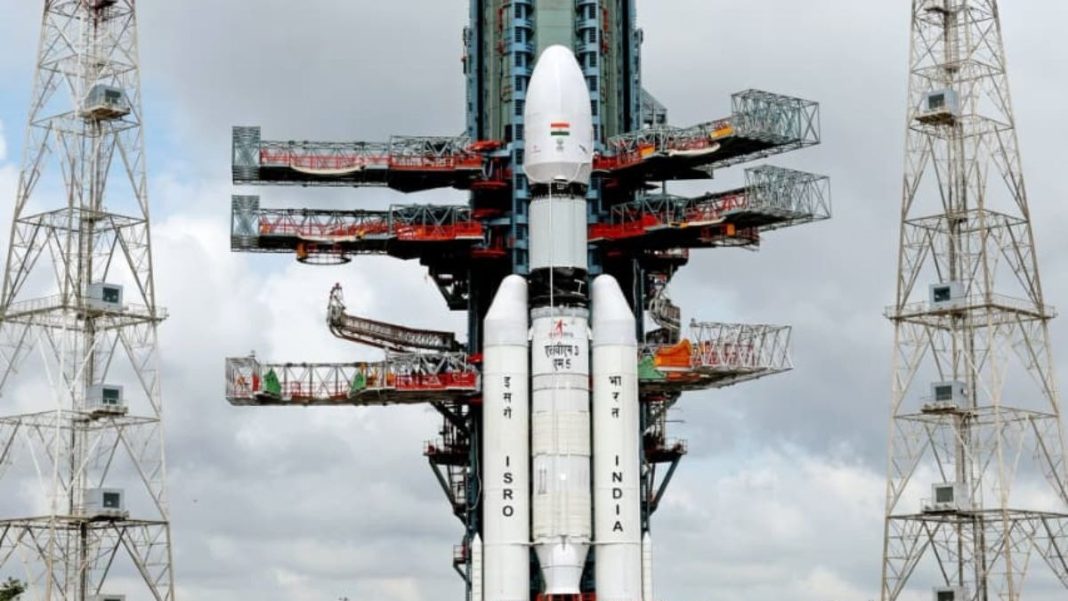
- This marks the sixth operational flight of India’s most powerful rocket, LVM3
The Indian Space Research Organisation (ISRO) is preparing for a landmark launch that could revolutionize mobile connectivity. On December 15, 2025, India’s most powerful rocket will carry the BlueBird 6 satellite to space, designed to create the world’s first space-based cellular broadband network accessible directly by everyday smartphones.
India’s Launch Powerhouse: LVM3
The Launch Vehicle Mark-III (LVM3) represents India’s heavy-lift capability, capable of carrying 8,000 kg to low-Earth orbit. This three-stage rocket has an impressive track record including the historic Chandrayaan-3 lunar mission and multiple communication satellite deployments.
The upcoming flight marks LVM3’s sixth operational mission, following the recent CMS-03 launch. The same rocket variant is also being prepared for India’s ambitious human spaceflight program scheduled for 2027.
Revolutionary BlueBird 6 Satellite
Built by Texas-based AST SpaceMobile, BlueBird 6 represents a significant technological leap. The satellite features:
- 10 times the data capacity of previous BlueBird models
- The largest privately-built, cellphone-compatible antenna in low-Earth orbit
- 3.5 times larger size than earlier versions
Once operational at approximately 223 square meters, BlueBird 6 will enable continuous cellular broadband coverage across the United States and select international markets.
Mission Timeline and Preparation
The satellite has already arrived in India and is undergoing integration with the LVM3 rocket at the Satish Dhawan Space Centre in Sriharikota. Following integration, the spacecraft will undergo critical testing before moving to the launch pad.
The exact launch timing will depend on weather conditions and ISRO’s final readiness assessment. This mission represents a significant step in AST SpaceMobile’s broader constellation plans, with the company aiming to launch 45-60 satellites by the end of 2026.