
From Silent EVs to Roaring Missiles: What Are Rare Earths and Why India Needs Them
Key Takeaways
- India launches ₹7,280 crore PLI scheme for rare earth magnet production
- Rare earth elements power everything from smartphones to missiles and EVs
- China currently dominates 60% of global supply and 90% of refining
- India aims to leverage its rich monazite sands for domestic manufacturing
India has launched a massive ₹7,280 crore push to establish domestic manufacturing of rare earth permanent magnets, marking a strategic shift from decades of exporting raw materials and importing finished products at premium prices.
The Union Cabinet approved the Production-Linked Incentive scheme on November 27, offering direct cash incentives to companies setting up plants for neodymium-iron-boron magnets essential for electric vehicles and wind turbines.
What Are Rare Earth Elements?
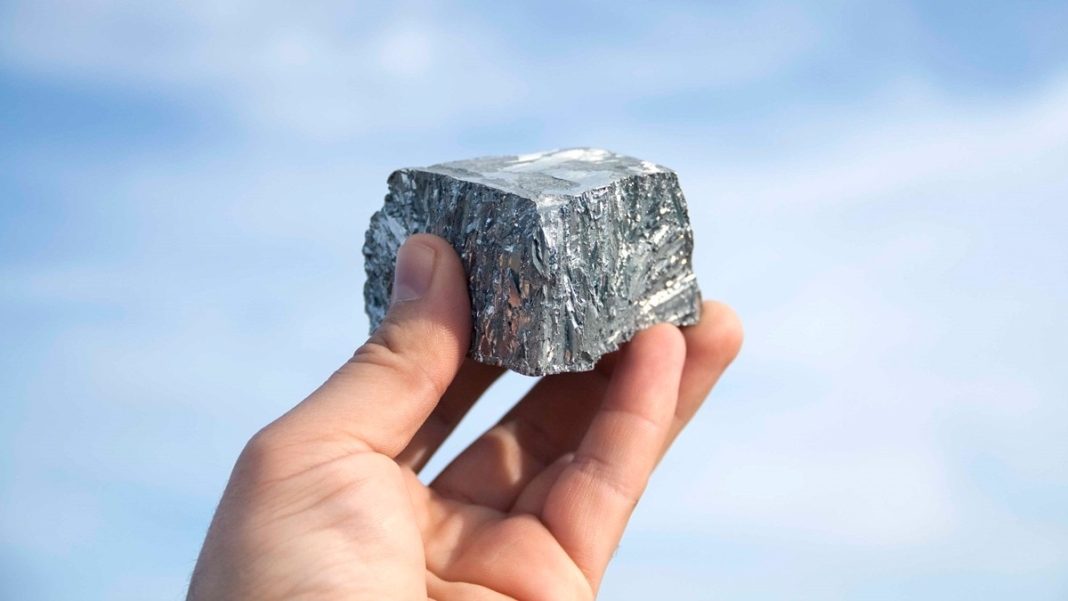
The vibration in your smartphone, the silent movement of electric cars, and the vivid colors on television screens all depend on seventeen metals known as rare earth elements. These include scandium, yttrium, and the fifteen lanthanides from lanthanum to lutetium.
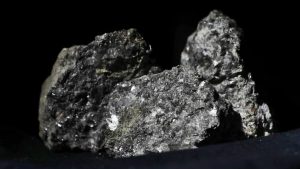
Despite their name, these elements aren’t particularly rare in Earth’s crust but are difficult to find in concentrated, mineable deposits. They typically hide inside minerals like monazite, and separating them is a complex process that generates toxic and radioactive waste.
Critical Applications in Modern Technology
Neodymium-based magnets are the strongest permanent magnets ever invented, enabling powerful yet compact electric motors and wind turbines. Europium and terbium create vibrant display colors, while cerium polishes smartphone glass and helps clean exhaust emissions.
Beyond consumer electronics, these elements are crucial for defense systems including missiles and fighter jets, as well as medical equipment like MRI machines and data storage devices.
China’s Dominance and Supply Chain Risks
China currently controls 60% of global rare earth mining and nearly 90% of refining capacity. The vulnerability of this concentration became evident in 2010 when China restricted exports to Japan during a diplomatic dispute, causing prices to surge by 500% and disrupting automotive manufacturing worldwide.
India’s Strategic Response
Despite having some of the world’s richest monazite beach sands along the coasts of Odisha, Kerala, and Tamil Nadu, India produces barely 1% of global rare earths. For years, the country exported raw sand only to import finished magnets at ten times the price.
The new initiative aligns with India’s 2023 membership in the Mineral Security Partnership, a 14-nation coalition led by the United States that includes Australia, Japan, South Korea, and European Union members. This partnership aims to build supply chains independent of any single country.
Australia, with the third-largest rare earth reserves outside China, is collaborating with India on joint projects where Australian concentrate will feed Indian separation plants, with finished magnets expected by 2027-28.
Environmental Challenges Ahead
The path forward faces significant environmental hurdles. Monazite contains radioactive thorium, raising concerns among coastal communities with memories of past environmental battles. The government must demonstrate clean mining practices from the outset to build public trust.
This substantial investment signals that India is finally treating rare earth elements as the strategic resource they are, rather than just another minor mineral.