

Key Takeaways
- DGCA grounds all A320 family aircraft pending mandatory software fixes
- 270 of 338 affected Indian aircraft already updated as of Saturday evening
- Global directive follows EASA warning of potential flight-control data corruption
- No flight cancellations reported by IndiGo and Air India, but delays of 60-90 minutes
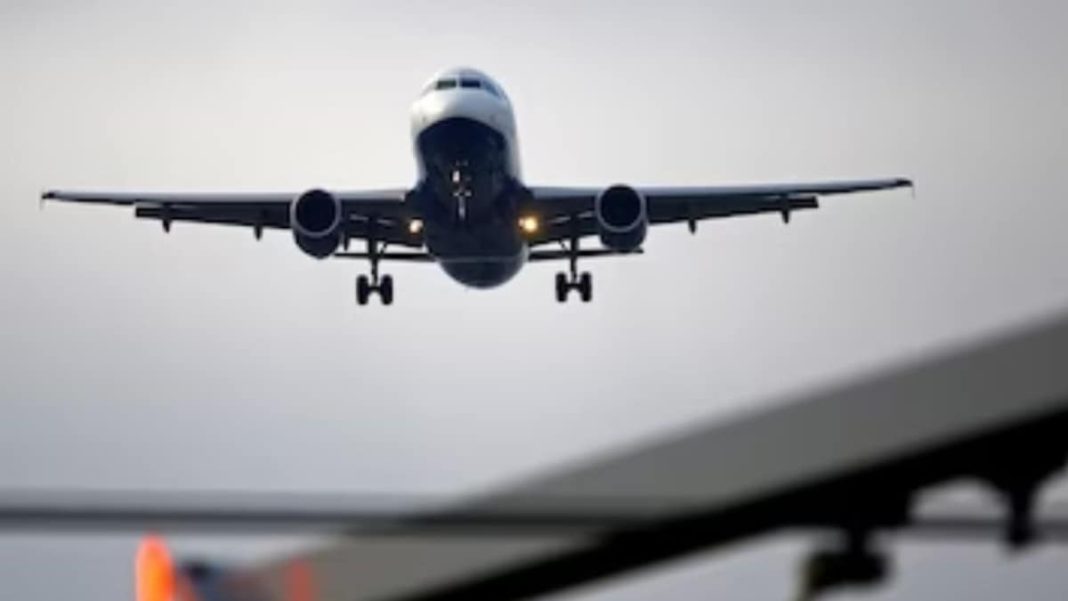
India’s aviation regulator has ordered the immediate grounding of all Airbus A320 family aircraft until critical software modifications are completed. The Directorate General of Civil Aviation (DGCA) acted following an Airbus warning that solar radiation could corrupt flight-control data on certain in-service jets.
The mandatory upgrades aim to address a potential safety issue identified in the aircraft’s flight control systems. By Saturday evening, software fixes had been completed on 270 of the 338 affected aircraft in India.
Airlines Impact and Operational Status
Among Indian carriers, IndiGo had 200 aircraft affected with 184 already updated, while Air India had 113 planes impacted with 69 modifications completed. Air India Express cancelled four flights due to the modification process, though IndiGo and Air India reported no cancellations.
Flight delays of 60-90 minutes were reported at various airports during the upgrade process. Akasa Air and SpiceJet operate no Airbus A320s in their fleets and remain unaffected. The DGCA expects all upgrades to be completed by Sunday.
“This is to be ensured that no person shall operate the product which falls under the applicability of this mandatory modification except those which are in accordance with the compliance to requirement of mandatory modification(s)/applicable airworthiness directive(s),” the DGCA said in its order.
Global Safety Directive Follows JetBlue Incident
The Indian directive comes after the European Union Aviation Safety Agency (EASA) issued an emergency airworthiness directive on Friday, temporarily grounding up to 6,000 Airbus A320 aircraft worldwide. The global action follows a recent incident where an A320 experienced an uncommanded pitch-down event.
EASA stated: “An Airbus A320 aeroplane recently experienced an uncommanded and limited pitch-down event. The autopilot remained engaged throughout the event, with a brief and limited loss of altitude, and the rest of the flight was uneventful.”
Preliminary investigation identified a malfunction in the Elevator Aileron Computer (ELAC) as the possible cause. If uncorrected, this condition could lead to uncommanded elevator movements exceeding the aircraft’s structural capability.
Technical Assessment and Industry Response
The safety assessment was triggered by an October 30 incident involving a JetBlue A320 flying from Cancun to Newark. While cruising at 35,000 feet, the aircraft suddenly pitched nose-down without pilot input, causing a sharp but brief altitude loss.
Industry sources indicate the repair burden may be lighter than initially estimated. While approximately 6,000 jets remain affected globally, the subset requiring hardware changes rather than software fixes appears smaller than the initial 1,000 estimate.
AI Engineering Services (AIESL) has committed full support to airlines conducting the modifications. AIESL CEO Sharad Agarwal told PTI: “I have already instructed my people to be available 24×7… AIESL will ensure that not a single aircraft remains on ground in India for want of support.”


