

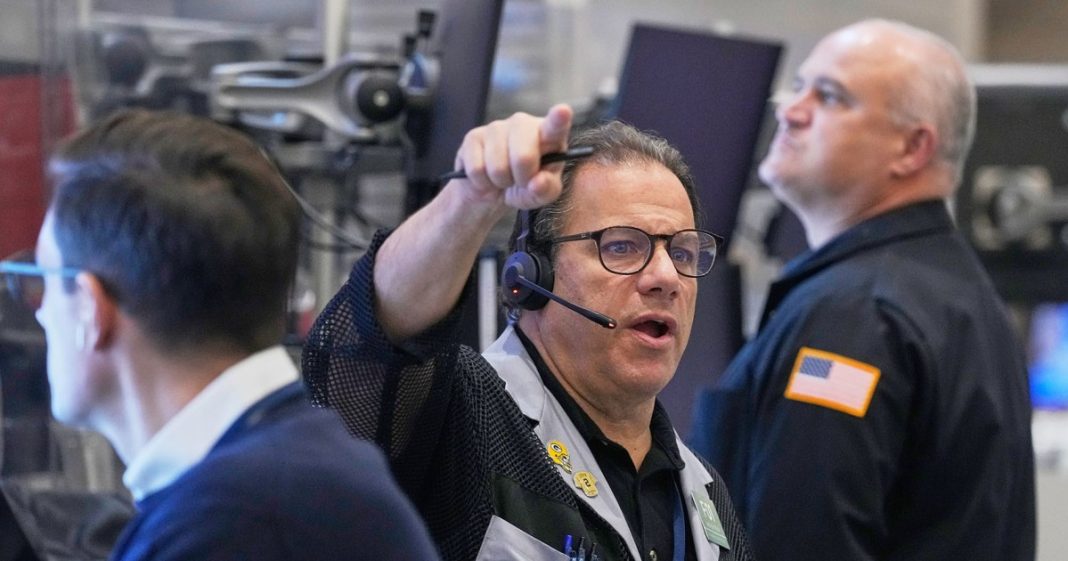
Stock Market Plunge: AI Fears and Fed Worries Trigger Major Sell-Off
US stock markets experienced a dramatic reversal on Thursday, erasing early gains and plunging into a significant sell-off. The downturn was driven by growing investor skepticism about the artificial intelligence boom and diminished expectations for Federal Reserve interest rate cuts.
Key Takeaways
- Nasdaq fell 2%, S&P 500 dropped 1.5%, Dow Jones lost nearly 390 points
- Bitcoin fell below $87,000 amid broader cryptocurrency sell-off
- Strong jobs report reduced likelihood of Fed rate cuts
- AI profitability concerns amplified market fears
Market Performance Details
The tech-heavy Nasdaq led declines with a 2% drop, while the broader S&P 500 index fell more than 1.5%. The Dow Jones Industrial Average declined by nearly 390 points after having been up 700 points earlier in the day. The stunning turnaround added further unease to an already shaky economy that has forced households to trim budgets amid stubborn inflation.
“You don’t have to have the biggest bubble in history for an expensive stock market and end up seeing declines,” said Matt Maley, chief market strategist at Miller Tabak asset management group.
Federal Reserve Impact
The solid September jobs report, showing 119,000 jobs added, diminished the odds that the Federal Reserve will cut interest rates next month. When investors don’t have to pay as much in interest, they often put those savings into stocks.
“The broad rebound in payrolls suggests diminished risks of a higher unemployment rate,” analysts with Morgan Stanley said in a note. “We no longer expect a Fed cut in December.”
AI Profitability Concerns
Losses were further compounded by ongoing concerns about AI profitability. Michael Burry, made famous by the movie “The Big Short,” articulated these fears on X: “Just because something is used does not mean it is profitable.”
Mixed Economic Signals
The jobs report presented a complex economic picture. While unemployment ticked up to 4.4%, about 450,000 workers entered the labor force. However, manufacturing shed 6,000 jobs and transportation lost 25,300 positions. Wage growth slowed, and previous months’ job totals were revised downward.
Major employers including Verizon, Amazon, and Microsoft announced plans to eliminate tens of thousands of jobs, adding to economic uncertainty.
Retail Sector Insights
Walmart provided another economic snapshot, reporting strong sales and raising its outlook. However, executives noted the chain is luring more high-income shoppers seeking bargains, while lower-income families face increasing pressure.
“As pocketbooks have been stretched, you’re seeing more consumer dollars go to necessities versus discretionary items,” said Chief Financial Officer John David Rainey.
Despite the broader market decline, Walmart’s stock closed 6.5% higher, highlighting the uneven impact across sectors.


