

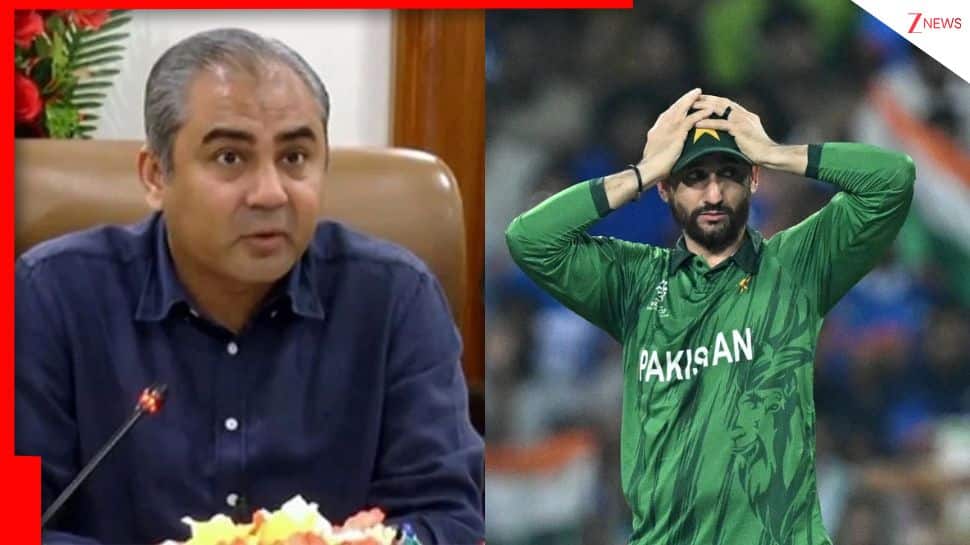
Pakistan’s crushing 61-run defeat to India in the T20 World Cup 2026 has triggered turmoil inside the camp, with PCB chairman Mohsin Naqvi reportedly expressing strong displeasure and leaving the stadium before the match ended. The loss has pushed Pakistan to the brink of elimination and sparked urgent discussions over team selection, leadership accountability, and tactical direction ahead of a must-win clash against Namibia. Naqvi travelled to Colombo for the high-voltage India vs Pakistan encounter at the R. Premadasa Stadium but was seen exiting early once defeat became inevitable. According to officials cited by PTI, he conveyed his dissatisfaction to team manager Naved Akram Cheema, calling the performance “unacceptable” and difficult to comprehend given the stakes.
A defeat that could reshape Pakistan’s campaign
Pakistan’s batting collapse and inability to absorb pressure in a marquee clash have intensified scrutiny on the squad’s mental toughness and match awareness.
Key fallout from the defeat:
- Pakistan now face elimination pressure and must beat Namibia to stay alive.
- The loss exposed recurring issues against India in ICC events.
- Questions have resurfaced about leadership, team balance, and tactical planning.
Sources indicated that the PCB chairman’s reaction reflects wider frustration within the board over repeated failures in high-pressure games.
Dressing-room tension and possible selection shake-up
The defeat reportedly led to intense discussions within the dressing room. Head coach Mike Hesson is understood to have told players they failed to perform to their potential against India.
Team management is considering bold changes for the Namibia fixture, including:
- Resting senior stars Babar Azam and Shaheen Shah Afridi
- Bringing in Naseem Shah or Salman Mirza
- Reintroducing Fakhar Zaman to strengthen the batting order
- Giving young Khawaja Nafay a middle-order opportunity
If implemented, these moves would signal a shift toward accountability and experimentation under pressure.
India’s dominance highlights Pakistan’s recurring weakness
India’s 61-run win marked one of their most comprehensive victories over Pakistan in T20 World Cup history. The defeat again underscored Pakistan’s struggles against India in ICC tournaments, where scoreboard pressure and tempo control often prove decisive.
From a tactical standpoint:
- Pakistan’s middle order failed to handle India’s pace variations and spin choke.
- Strike rotation collapsed during the chase, allowing required rate pressure to spiral.
- India controlled the middle overs, historically the decisive phase in Indo-Pak T20 clashes.
What Pakistan must fix before Namibia clash
Pakistan still control their fate but must respond decisively.
Immediate priorities:
- Stabilise top-order intent and powerplay scoring
- Improve middle-overs strike rotation
- Show tactical flexibility against spin
- Restore dressing-room clarity and confidence
Namibia, who have already upset higher-ranked sides earlier in the tournament, cannot be taken lightly.


