
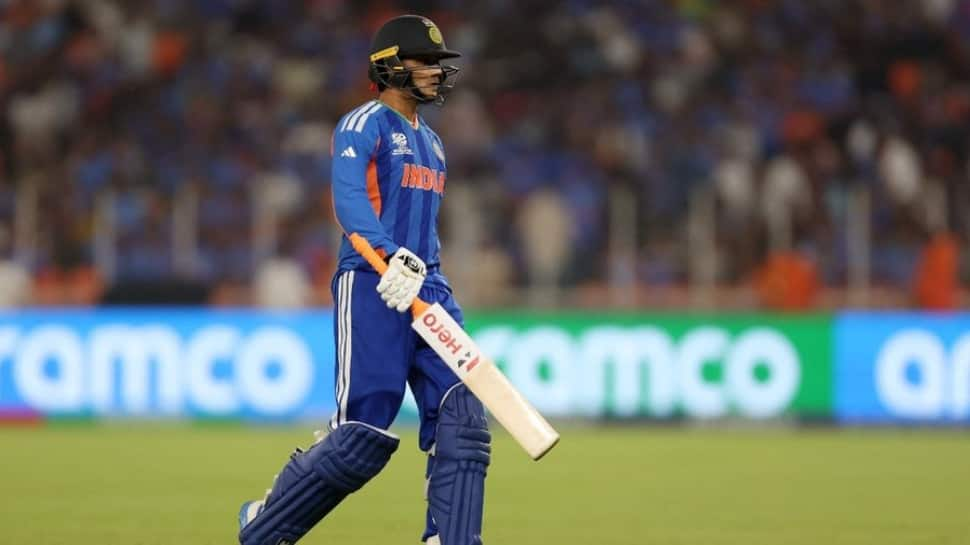
In a turn of events that has stunned the cricketing world, India’s opening batter Abhishek Sharma has recorded his third consecutive duck in the T20 World Cup 2026. During India’s final group stage match against the Netherlands at the Narendra Modi Stadium, the left-hander fell for a three-ball zero, marking a dismal first round for the player many considered the best T20 batter in the world entering the tournament.
A Historic Slump
Abhishek Sharma’s tournament started with a dismissal against the USA and was followed by another zero in the high-stakes encounter with Pakistan. He missed the fixture against Namibia after falling ill with a stomach infection, but his return against the Netherlands offered no relief. By failing to score for the third time in as many outings, Sharma has now reached the joint-highest number of ducks in a single edition of the T20 World Cup. Furthermore, this ignominious feat ties the record for the most ducks by an Indian batter in a single calendar year.
The Dismissal: Strategy over Superstition
In an effort to change his fortune, Sharma took the field wearing teammate Mohammed Siraj’s jersey, a move noted by commentator Nasser Hussain as a “different top for a change of luck.” However, the tactical brilliance of the Netherlands’ Aryan Dutt proved stronger than any superstition.
Dutt, an off-spinner traditionally effective against left-handed batters, opened the attack and denied Sharma any room to operate. After two dot balls where the ball skidded on quickly, Sharma attempted to break the shackles. Expecting the ball to be short enough to pull, he swung across the line, only for the delivery to sneak past his bat and shatter the stumps. The image of Sharma walking back with his eyes closed and head fallen back captured the dejection of a player yet to get off the mark in his debut World Cup campaign.
Tactical Analysis and Team Support
Despite the mounting pressure from media and fans, some analysts see a silver lining in the opener’s intent. Sidharth Monga of ESPNcricinfo noted that this remains “good T20 batting” because Sharma was dismissed while consistently attempting to find the boundary. The team management, led by Suryakumar Yadav and batting coach Sitanshu Kotak, has previously emphasized that in a high-risk format, a few low scores should not trigger overanalysis.
While Sharma’s exit left India at 0 for 1 in the first over, the rest of the lineup responded with characteristic aggression. Tilak Varma, who arrived at number three, immediately signaled India’s intent by lofting Logan van Beek for a flat six and helping the score race to 17 for 1 within the first two overs.
Looking Toward the Super 8s
As India transitions into the Super 8 stage to face South Africa, West Indies, and Zimbabwe, the focus remains squarely on the opening slot. With Ishan Kishan in imperious form at the other end, the Indian management must decide whether to continue backing Sharma’s aggressive approach or consider a tactical change to ensure the top order provides a more stable foundation during the knockout phases. For now, the “World Number One” must find a way to reset his mindset before the pressure of the tournament’s business end begins to mount.


