Key Takeaways
- The next ‘Ring of Fire’ annular solar eclipse visible from India is on February 17, 2026.
- Only southern Kerala will see a partial eclipse; the full annular phase will not be visible from mainland India.
- Safe viewing with certified solar glasses is absolutely essential to prevent permanent eye damage.
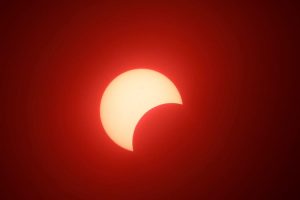
India’s next chance to witness the spectacular ‘Ring of Fire’ annular solar eclipse is set for February 17, 2026. However, most of the country will miss the main event, with only a partial phase visible from the southern tip of Kerala.
What is a ‘Ring of Fire’ Solar Eclipse?
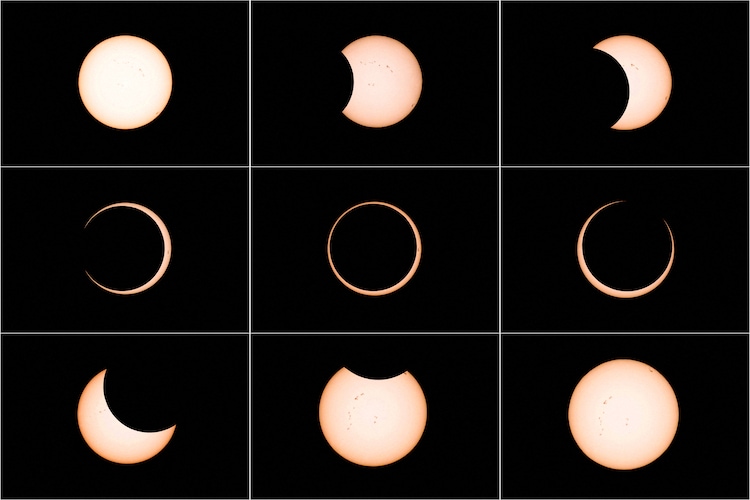
An annular solar eclipse occurs when the Moon passes directly in front of the Sun but is too far from Earth to completely cover it. This leaves a brilliant, thin ring of sunlight visible around the Moon’s dark silhouette, creating the ‘Ring of Fire’ effect. It’s a stunning sight, but requires proper eye protection to view safely.
2026 Eclipse Path and Visibility in India
The path of annularity for the 2026 eclipse will travel from the Southern Ocean, across Antarctica, and over the Indian Ocean. For Indian skywatchers, the Malabar Coast region in Kerala is the only area expected to see a partial eclipse. The full ‘Ring of Fire’ will not be visible from the Indian mainland.
To experience the complete annular phase, enthusiasts would need to travel to remote locations like the Kerguelen Islands or Antarctica. Over the Indian Ocean, the maximum duration of the ‘Ring of Fire’ will be an impressive 7 minutes and 51 seconds.
Future Solar Eclipses Over India
After 2026, India faces a longer wait for major solar eclipses:
- March 20, 2034: A total solar eclipse, but its path of totality only covers a remote part of northwestern India.
- August 2, 2027: A significant total eclipse will pass over North Africa and the Arabian Peninsula. For India, this will be an annular eclipse, with cities like Delhi, Jaipur, and Ahmedabad falling outside the path of totality.
Safety First: How to Watch
Never look directly at the Sun without proper protection. For viewing any partial phase of the 2026 eclipse, use only certified solar viewing glasses or other safe solar filters. Regular sunglasses are not sufficient and can lead to permanent eye damage.