
Scientists studying microorganisms preserved deep inside an underground ice cave in Romania have discovered a bacterial strain frozen for nearly 5,000 years that shows unexpected abilities.
The bacteria hide powers that include resistance to modern antibiotics and the potential to help fight dangerous “superbugs.”
A superbug is a bacterium (or other microbe) that has become resistant to multiple antibiotics, making infections harder, and sometimes impossible, to treat with standard medicines.
HOW DO SCIENTISTS FOUND 5,000-YEAR-OLD BACTERIA?
The discovery, reported in the journal Frontiers in Microbiology, highlights how ancient microbes trapped in extreme environments can offer valuable insights into both the evolution of antibiotic resistance and the search for new medicines.
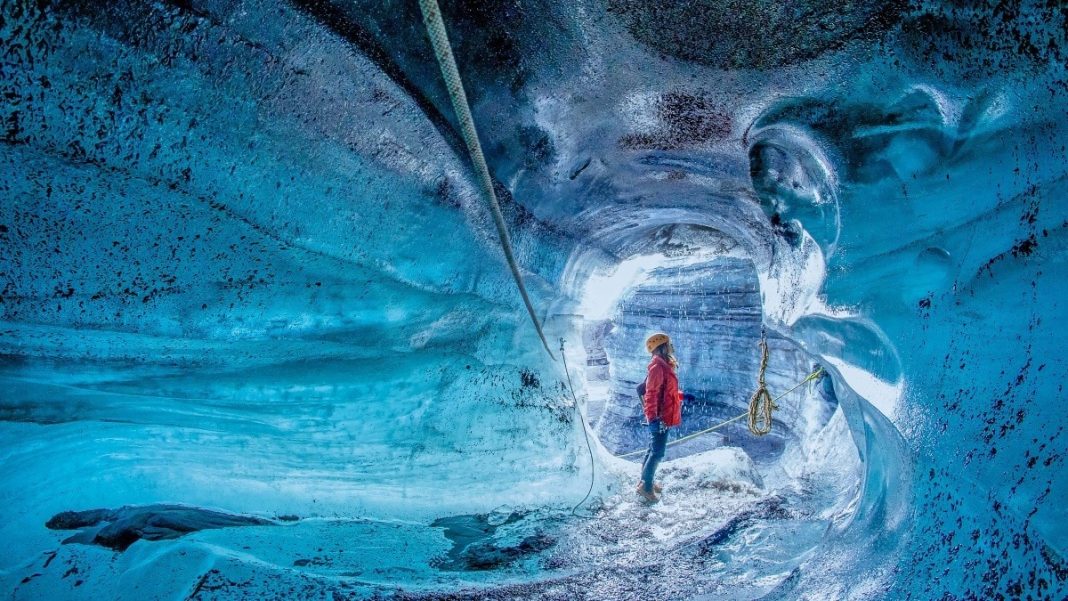
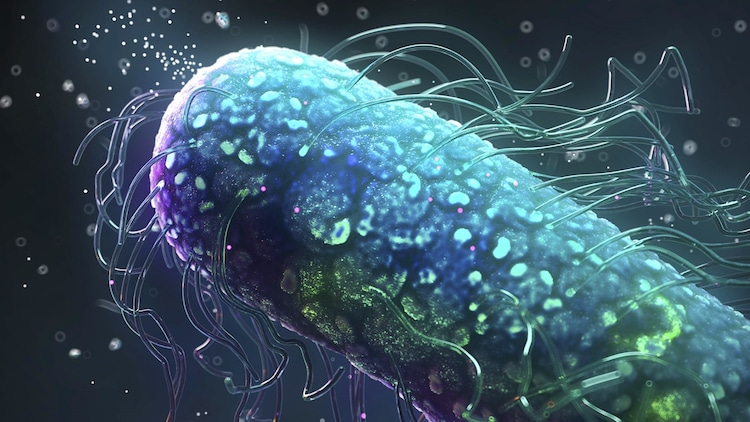
The bacterium, named Psychrobacter SC65A.3, was isolated from ice layers inside Scarisoara Ice Cave, one of Europe’s oldest underground glaciers. Researchers drilled a 25-meter-long ice core from a section of the cave known as the Great Hall, capturing a frozen record of microbial life spanning roughly 13,000 years.

To prevent contamination, the ice samples were sealed in sterile containers and kept frozen until they could be analysed in the laboratory.
Despite its ancient origin, the bacterium showed a surprising ability to survive exposure to modern medicines.
WHY IS THIS BACTERIA SO RARE?
Scientists found that the strain carried more than 100 genes linked to antibiotic resistance and was resistant to 10 commonly used antibiotics, including rifampicin, vancomycin, and ciprofloxacin, which are used to treat serious infections such as tuberculosis, colitis, and urinary tract infections.
Researchers also identified resistance to trimethoprim, clindamycin, and metronidazole, the first time such resistance has been documented in a bacterium from the Psychrobacter group, which is known for surviving in extremely cold environments.
According to Dr. Cristina Purcarea, a senior scientist at the Institute of Biology Bucharest of the Romanian Academy, the findings suggest that antibiotic resistance existed naturally in the environment long before humans developed modern medicines.
Studying ancient microbes, she explained, can help scientists understand how resistance evolves and spreads in nature.
At the same time, the bacterium showed promising properties that could benefit medicine and biotechnology. Laboratory tests revealed that Psychrobacter SC65A.3 can inhibit the growth of several antibiotic-resistant bacteria, suggesting it may produce natural antimicrobial compounds.
Genome analysis also identified 11 genes that could help stop the growth of bacteria, fungi, or viruses, along with nearly 600 genes whose functions remain unknown.
However, the discovery also raises concerns.
Scientists warn that melting ice caused by climate change could release ancient microbes and their resistance genes into modern ecosystems, potentially contributing to the global challenge of antibiotic resistance.
Researchers say the findings demonstrate that ancient microorganisms preserved in extreme environments may hold both scientific risks and powerful opportunities, offering clues to the past while potentially helping develop the next generation of antibiotics.