

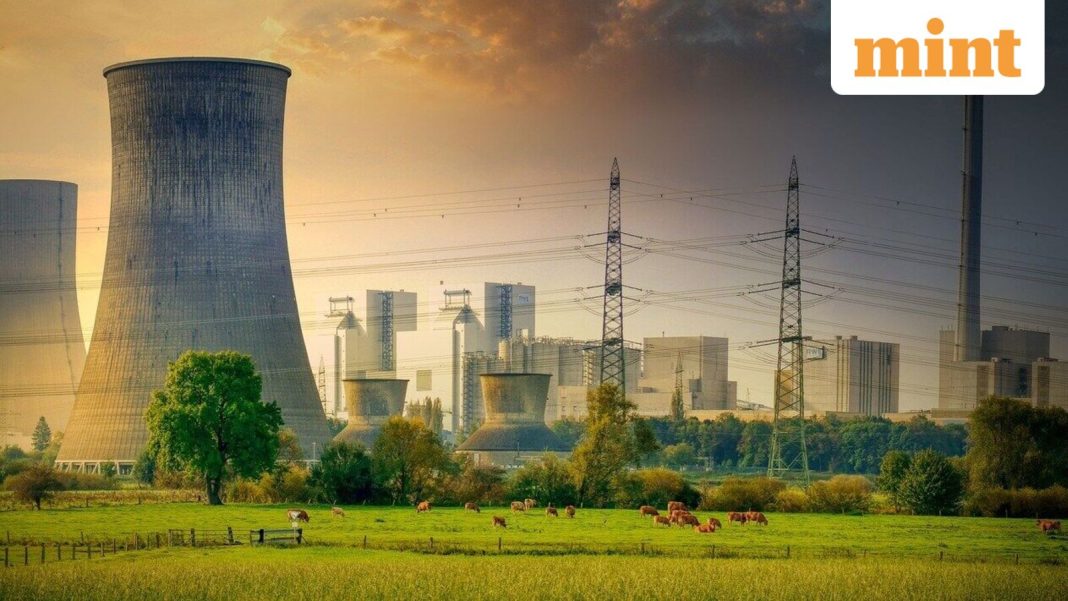
The Safety Imperative: Why India Must Fix Nuclear Regulation Before Private Investment
Key Takeaways:
- India’s push for private investment in nuclear power via the Shanti Bill 2024 raises major safety concerns.
- The current regulator, AERB, lacks independence as it reports to the Department of Atomic Energy it is meant to oversee.
- Experts warn this creates a high risk of “regulatory capture,” where private interests could undermine safety standards.
- The clear path forward: establish a powerful, independent regulator first, then consider private players.
India’s plan to allow private investment in nuclear energy risks compromising public safety unless a fundamental flaw in regulation is fixed first. The proposed Shanti Swarup Bhatnagar Atomic Research Centre (Amendment) Bill, 2024, seeks private capital but leaves a conflicted regulatory system unchanged, inviting potential disaster.
The Core Conflict: Regulator vs. Promoter
The Department of Atomic Energy (DAE) has controlled India’s entire nuclear program for decades. The Atomic Energy Regulatory Board (AERB), which is supposed to ensure safety, reports directly to the DAE. This means the regulator is not independent from the body it regulates, creating a clear conflict of interest.
The new bill allows private firms to partner with the state-run NPCIL but does nothing to separate the AERB from the DAE. This oversight could pave the way for , where corporate interests influence safety rules.
Why Nuclear Safety is Non-Negotiable
Supporters argue private investment is needed to expand clean energy. However, nuclear power is unlike other infrastructure. A failure has catastrophic, long-term consequences.
The 1984 Bhopal gas tragedy remains a stark reminder of what happens when regulation fails and corporate negligence takes over in a hazardous industry. For nuclear energy, the stakes are infinitely higher.
A truly independent regulator with statutory power, autonomy, and accountability to Parliament is essential. The current setup is untenable with profit-driven private entities involved.
Global Warnings and the “Nuclear Village”
International experience offers clear warnings. The 2011 Fukushima disaster in Japan resulted from both a natural disaster and regulatory complacency. Investigations found a cozy “nuclear village” of industry, government, and regulators who overlooked critical risks.
India cannot afford a similar lapse. The government’s priority must be to establish an independent nuclear regulatory authority via a Parliamentary act before any amendment to invite private investment.
The Path Forward: Transparency First
Beyond an independent regulator, the sector needs radical transparency. The historical “culture of secrecy” must end. Local communities and experts need a seat at the table. Safety and environmental reports must be public and subject to real scrutiny.
Expanding nuclear power is a laudable goal for energy security. But pursuing investment before fixing a broken regulatory system puts the cart before the horse. It makes safety a potential bargaining chip. India needs nuclear energy, but it needs safe nuclear energy more. The lessons of Bhopal must guide the path to megawatts.


