
The Critters Lurking in Your Christmas Tree – How to Get Rid of Them
Your festive fir tree could be harboring unwanted insect passengers this Christmas season. Pest experts warn that warm weather in 2025 has led to significantly higher insect numbers, increasing the likelihood of spiders, beetles, aphids and other pests hitching a ride into your home.
Key Takeaways
- Warm weather has increased insect populations, making Christmas trees more likely carriers
- Common tree pests include spiders, aphids, beetles, mites and flies
- Simple preventive measures can keep your celebrations pest-free
- Natural methods are recommended over chemical sprays
Sophie Thorogood, a pest prevention specialist at Pest-Stop, explains that a wide range of creepy crawlies could be secretly stowed away on your Christmas tree. “We’ve seen significantly higher insect numbers throughout 2025 due to the warm weather,” she said. “There’s a good chance your Christmas tree could be carrying some unexpected passengers.”
Common Christmas Tree Pests
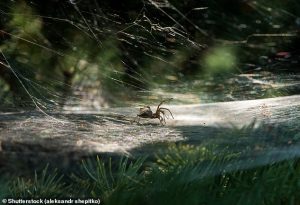
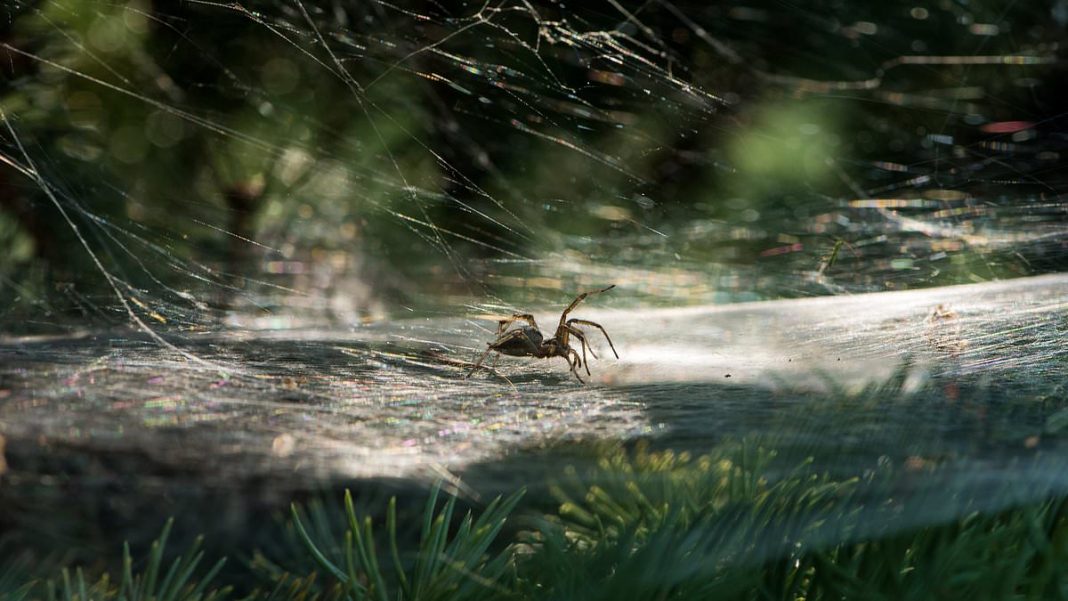
Following an unusually warm summer, spider populations have increased significantly. These eight-legged insects are among the most common pests found on freshly-cut Christmas trees, and they lay eggs that can hatch once inside your warm home.
Tiny aphids, measuring just 1-2mm long, are dark green, sap-feeding insects that frequently inhabit trees. The green spruce aphid, commonly linked to Christmas trees, can cause needles to turn yellow and drop.
Christmas trees also provide natural hideaways for beetles, particularly the spruce bark beetle which grows 6-8mm long with a dark brown body covered in orange hairs. If your tree stands in soil or water, this can become a breeding site for various flies.
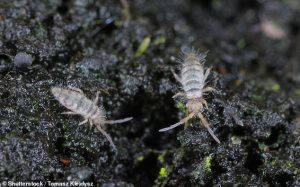
Mites represent another global pest affecting spruce, pine and fir trees. These tiny creatures (just 0.5mm long) suck sap from needles and shoots, causing mottling and yellowing.
According to JG Pest Control: “Your Christmas tree could be full of thousands of insects that are all living in the branches. While it is lovely to have a stunning Christmas tree from the great outdoors, you need to be careful how much of the great outdoors you bring into your home.”
Effective Pest Prevention Methods
Thorough Inspection and Shaking
Before bringing your tree inside, carefully inspect it for visible insects, webs or egg sacs. “A thorough shake will send any lurking spiders scurrying and help you spot webs or egg clusters tucked between the branches,” advises Ms Thorogood.
Gentle Web and Cocoon Removal
If you discover webs or egg sacs, gently remove them using a dusting brush or vacuum. “Just avoid using harsh chemical sprays, as they can harm your children and pests and may damage the tree,” she cautions.
Natural Pest Control Solutions
When dealing with unwelcome visitors, opt for natural sprays rather than harsh chemicals to maintain a safe home environment.
Decoration Box Inspection
Pests might not originate solely from the tree itself. Your decoration boxes could harbor unwanted bugs, especially if stored since last year. “Open your decoration storage boxes outdoors first and check for any spiders or webs before bringing them inside,” Ms Thorogood recommends.
Humidity Control
Spiders and other pests thrive in damp, humid conditions. Ensure your Christmas tree area remains well-ventilated and the room stays dry to discourage pests from settling in.
Spider Encounter Protocol
If a spider finds its way into your home, remain calm. These arachnids are completely harmless and won’t damage your home or decorations. “If you do spot one, simply use the glass-and-paper method or a spider vacuum to relocate them outside,” Ms Thorogood suggests. “They’re just looking for somewhere warm to spend winter.”
The Science Behind Arachnophobia
Recent research indicates that fear of spiders may be a survival trait embedded in human DNA. This instinct to avoid arachnids potentially developed as an evolutionary response to dangerous threats dating back hundreds of thousands of years.
Study leader Joshua New of Columbia University explains: “A number of spider species with potent, vertebrate specific venoms populated Africa long before hominoids and have co-existed there for tens of millions of years. Humans were at perennial, unpredictable and significant risk of encountering highly venomous spiders in their ancestral environments.”
This suggests that arachnophobia, one of the most common phobias, might represent a finely tuned survival instinct dating back to early human evolution in Africa, where highly venomous spiders existed millions of years ago.