

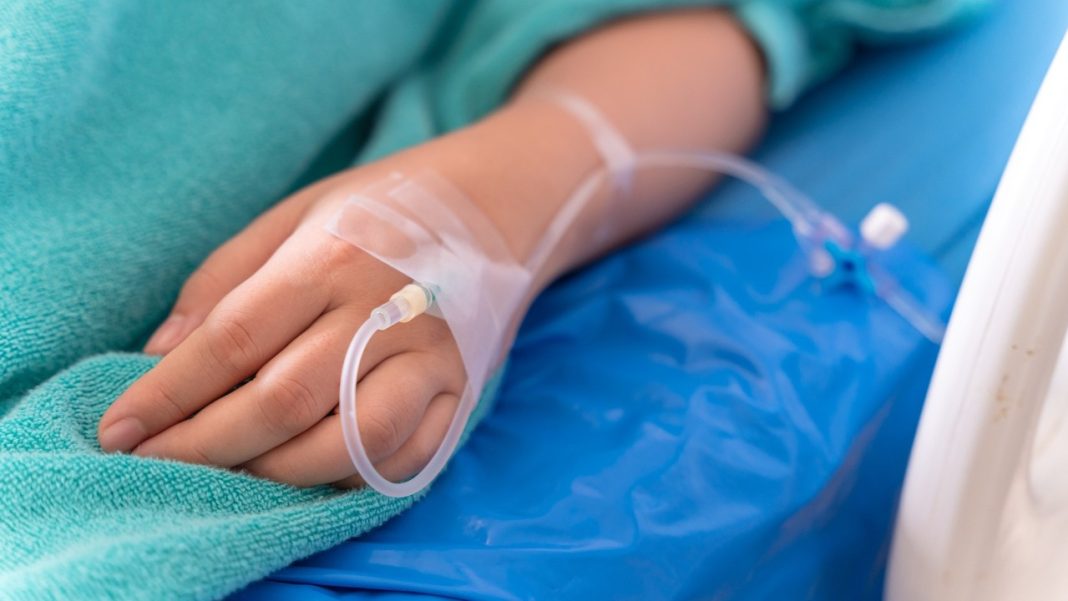
When the Union Budget announced customs duty exemption on medicines used to treat certain rare diseases, it brought hope to many families across India.
For patients who depend on expensive imported drugs to survive, even a small reduction in cost can mean everything.
But the grounded reality tells a more difficult story.
Reporting on the issue, Sneha Mordani spoke to families, doctors and patient advocates who say that while policy announcements are welcome, access to lifesaving treatment remains uncertain and financially exhausting.
A TEENAGER’S FIGHT AGAINST HUNTER’S SYNDROME
Seventeen-year-old Nayan suffers from MPS II, also known as Hunter’s Syndrome, a rare genetic disorder recognised by the Union Health Ministry.
The condition makes him vulnerable to infections and affects multiple organs over time. It also changes physical appearance significantly. Yet, despite these challenges, his family says his spirit remains strong.
But treatment is expensive and lifelong.
BUDGET RELIEF, BUT IS IT ENOUGH?
Recently, medicines for Hunter’s Syndrome were exempted from customs duty to make them more affordable. The move was aimed at helping patients like Nayan.
However, families say that even after exemptions, the cost remains extremely high because these medicines are imported and limited in supply.
Under India’s National Policy for Rare Diseases (NPRD), eligible patients were given a one-time funding support of 50 lakh per patient in 2021. Estimates suggest that nearly 100 patients have already exhausted this cap.
Once the funding ends, families are left to arrange crores of rupees on their own.
WHAT DEFINES A RARE DISEASE?
According to the World Health Organisation (WHO), a rare disease is a lifelong and often debilitating disorder affecting one or fewer persons per 1,000 population.
India’s National Policy for Rare Diseases states:
- There are 7,000–8,000 rare diseases globally.
- Less than 5% have approved therapies.
- Around 95% have no approved treatment.
- Fewer than 1 in 10 patients receive disease-specific care.
In India, 63 diseases have been officially identified as rare diseases.
WHY IS THE TREATMENT SO EXPENSIVE?
Rare diseases are often called “orphan diseases” because they affect some patients and do not offer a large commercial market for pharmaceutical companies.
The high cost of orphan drugs is mainly due to research and development expenses. Very few companies globally manufacture these medicines. India does not have domestic manufacturers for most orphan drugs, except for certain special medical nutrition products.
For a 10 kg child, annual treatment costs can range between 10 lakh and over 1 crore. As the child grows, the cost increases further.
Because of these enormous expenses, the government says it cannot provide completely free treatment for all patients.
EMOTIONAL AND SOCIAL BURDEN
Beyond physical complications, rare diseases also bring emotional stress.
Families face depression, anxiety, financial pressure and social isolation. Doctors say the quality of life of rare disease patients is often lower than that of individuals suffering from common serious illnesses.
For some children, missing even one dose of medicine can have life-threatening consequences.
One grieving father, Saurabh, who lost his child to a rare condition, said that uninterrupted treatment could have made a difference. His story highlights how fragile the situation is for many families.
FUNDS AVAILABLE, BUT IMPLEMENTATION QUESTIONED
Patient advocacy groups argue that even allocated funds are not always fully utilised. They claim that Rs 271 crore, if efficiently deployed, could significantly improve access to treatment.
Experts stress that urgent and uninterrupted access to lifesaving medicines is critical — especially for children.
Doctors and activists suggest:
- Continuous funding instead of a one-time cap
- Faster approvals and streamlined processes
- Encouraging domestic production of orphan drugs
- Better genetic screening and early diagnosis
- Long-term financial and psychological support for families
As Sneha Mordani’s ground report shows, while policy recognition is an important first step, real change will only come when medicines are consistently available, affordable, and accessible.
For families like Nayan’s, hope lies not just in announcements but in action.


