
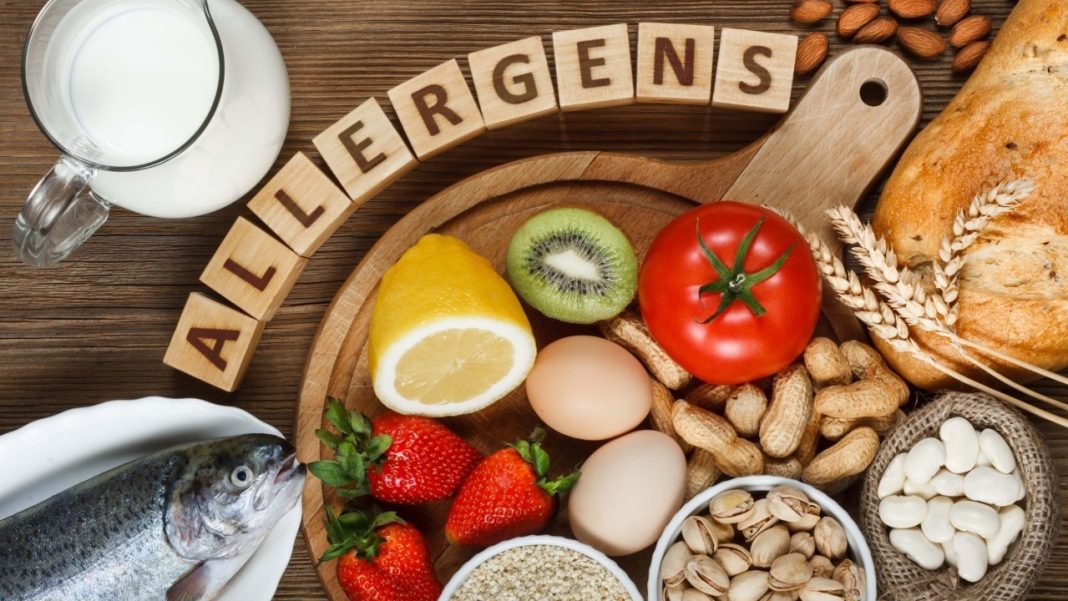
India has released its first unified guidelines on food allergies, recommending that babies be introduced to allergenic foods such as peanuts and eggs between six and nine months of age, once complementary feeding has begun.

The move, experts say, could significantly reduce the risk of severe food allergies later in childhood.
The consensus document, issued by paediatricians and allergy specialists from across the country under the aegis of the Indian Academy of Paediatrics (IAP), aims to bring long-awaited clarity to a field often clouded by confusion and overdiagnosis.
For years, many parents delayed giving children foods considered “allergenic.” The new guidelines overturn that approach. Introducing peanuts and egg between six and nine months — after complementary feeding has started — may actually lower the risk of developing allergies.
Exclusive breastfeeding for the first six months continues to be strongly encouraged. Mothers do not need to avoid allergenic foods during pregnancy or breastfeeding unless medically advised.
“India has long lacked uniform guidance on food allergy. This expert consensus marks an important step toward standardised, evidence-based care adapted to Indian realities,” Dr Sowmya Nagarajan, paediatrician, immunologist and lead author of the guidelines, told India Today.
As awareness grows, the message is clear: food allergy is real — but so is the risk of overdiagnosis, said Dr Nagarajan, also secretary of the IAP allergy and applied immunology panel.
INDIA’S UNIQUE ALLERGY PROFILE
While milk, wheat, egg, peanut and fish remain common triggers globally, Indian dietary patterns create a distinct allergy landscape. Chickpea (chana), lentils (dal) and sesame (til) are increasingly recognised as important allergens. Regional food habits play a major role in shaping these patterns.
Milk allergy remains especially common in infancy. However, experts caution that it is frequently overdiagnosed, sometimes leading to premature discontinuation of breastfeeding and unnecessary dietary restrictions.
SENSITISATION VS TRUE ALLERGY
The guidelines emphasise that food allergies are no longer rare in India, with rising awareness and changing lifestyles contributing to more diagnoses.
However, there is a crucial difference between “sensitisation” and actual clinical allergy.
Many individuals may test positive on allergy screening but never develop symptoms when they consume the food. Mistaking sensitisation for true allergy can result in children being wrongly labelled as allergic, causing nutritional deficiencies and avoidable family stress.
Accurate diagnosis must begin with a detailed clinical history and may include skin prick testing and specific IgE blood tests.
When uncertainty persists, the oral food challenge remains the gold standard. Conducted under strict medical supervision, it involves gradually consuming small amounts of the suspected food in a controlled setting to confirm or rule out an allergy.
ALLERGY OR INTOLERANCE: KNOW THE DIFFERENCE
A key message from the guidelines is that food allergy is not the same as food intolerance.
A food allergy involves the immune system reacting to proteins in food and can trigger severe, even life-threatening reactions such as anaphylaxis — sometimes from minute quantities.
Food intolerance, such as lactose intolerance, does not involve the immune system and is usually caused by enzyme deficiencies that impair the digestion of the carbohydrate part of the food.
While uncomfortable, intolerance is generally less dangerous and often depends on how much is consumed.
Often underdiagnosed, the prevalence of food allergy in India is estimated to be around 0.8 percent. However, often resulting in symptoms like irritable bowel syndrome and persistent bloating, intolerance to certain food items in the country is far more common.
Confusing the two can either impose needless restrictions or, more dangerously, lead to missed diagnoses.
Newer therapies such as oral immunotherapy and biologic treatments like omalizumab show promise for severe cases. However, these options are costly and should only be offered at specialised centres under expert supervision.
BEYOND MEDICINE
The guidelines call for clearer food labelling, better school preparedness, public education campaigns and improved access to adrenaline autoinjectors- ife-saving, single-use medical devices designed for rapid self-administration of adrenaline to treat anaphylaxis, a severe, life-threatening allergic reaction.
Reducing stigma and fear is seen as just as important as medical management.
For most families, the foundation of care remains careful diagnosis, informed avoidance and balanced nutrition.
By issuing standardised, evidence-based recommendations tailored to Indian realities, the new guidelines mark a significant shift, Dr Nagarajan insisted.
The message is balanced but firm: food allergy is real and rising — but so is the danger of overreaction. With early prevention, precise diagnosis and stronger public policy, children can grow up safer and healthier, without unnecessary food fears.


