

Key Takeaways
- A major study of over 47,000 dogs found CBD use was linked to lower aggression levels.
- Other anxious behaviours did not show the same improvement, puzzling researchers.
- Experts urge caution, as CBD is not a licensed veterinary medicine in many countries.
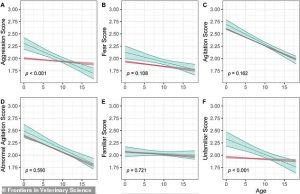
Giving dogs CBD supplements may significantly reduce aggressive behaviour, according to the largest study of its kind. Research involving more than 47,000 pet dogs found those given cannabidiol showed a “decline in the intensity of aggressive behaviours,” suggesting a potential calming effect.
What the Dog Aging Project Found
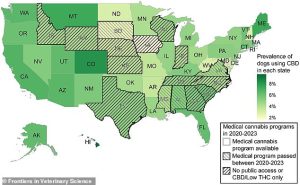
The study, published in Frontiers in Veterinary Science, analysed data from the extensive Dog Aging Project. Surveys between 2019 and 2023 revealed that 7.3% of dogs had been given CBD at some point, with 5.8% being frequent users.
Dogs receiving CBD over extended periods had lower-than-average aggression compared to non-users. However, traits like general agitation or anxiety did not improve similarly.
‘Most canine aggression is related to underlying stress or anxiety – a fight or flight response that kicks in,’ said study co-author Professor Julia Albright, a veterinarian at the University of Tennessee. ‘It is unclear why only aggression but not other types of anxious or agitated behaviors seemed to be improved with CBD treatment.’
Profile of a CBD-Using Dog
The research painted a clearer picture of which dogs are given CBD:
- On average, they were three years older than non-users.
- Higher use was linked to health issues like dementia (18.2%), osteoarthritis (12.5%), and cancer (10%).
- Male dogs were 9% more likely to receive it than females.

Medical Similarities and Strong Warnings
The study provides a framework for examining how CBD might help older dogs and humans with similar concerns.
‘There are many similarities in how CBD can benefit dogs and humans medically,’ said study author Maxwell Leung, assistant professor at Arizona State University.
Despite the findings, experts strongly advise caution. CBD can cause side effects like upset stomach and diarrhoea. Crucially, it is not a licensed veterinary medicine in places like the UK, meaning products lack proven safety and efficacy testing for animals.
‘CBD oil should never be given in the place of licensed veterinary products, and your vet will advise you about the best medications for your pet,’ the Blue Cross said.
Owners must consult their vet before considering CBD, especially if their pet is on other medication. The legal landscape also varies; while hemp-derived CBD is legal for pets across the US, vets cannot legally prescribe it.