

Key Takeaways
- IMD forecasts a colder winter with more cold wave days in central, north-west, and north-east India.
- Polar vortex and La Niña are the key drivers behind the expected chill.
- States like Haryana, Rajasthan, Delhi, and Gujarat are likely to see below-normal temperatures.
- December rainfall is expected to be near normal, but with regional variations.
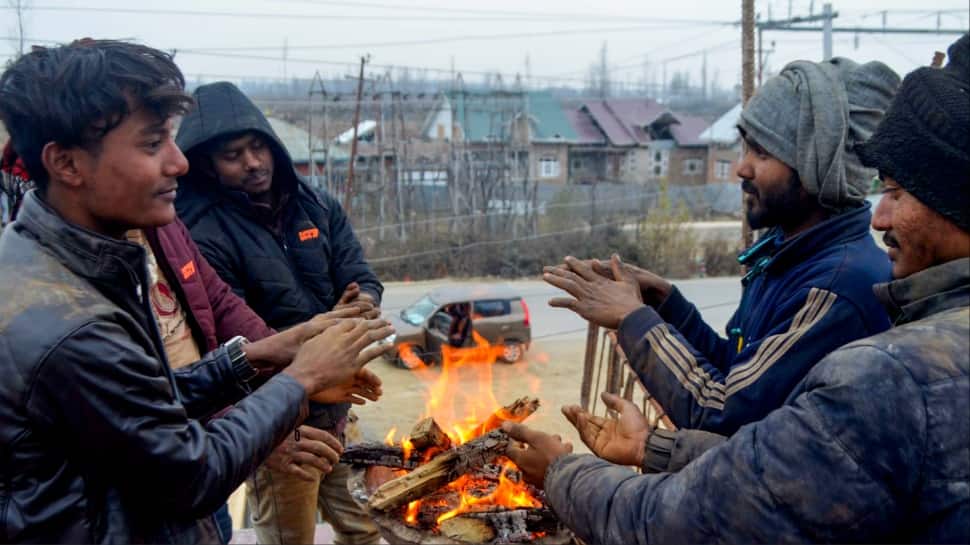
India is set for a harsher, colder winter this year, according to the latest forecast from the India Meteorological Department (IMD). The agency predicts an increase in cold wave days across central, north-western, and north-eastern parts of the country, driven by the combined influence of the polar vortex and ongoing La Niña conditions.
Regions and Forecast Details
Spatial forecasts highlight Haryana, Rajasthan, Delhi, and Gujarat as regions likely to experience below-normal temperatures. The IMD anticipates between one to four or more cold wave days from December to February in these areas. A cold wave is officially declared when the minimum temperature drops below 15°C and stays there for at least three consecutive days.
Minimum temperatures are expected to be normal to below normal across most of central India, adjoining peninsular regions, and north-west India. Meanwhile, daytime maximum temperatures are predicted to remain above normal in most parts, except central India and adjacent areas.
The Science Behind the Chill
The forecasted cold spell is closely linked to two major climate phenomena.
Polar Vortex: This large area of low pressure and cold air around the poles strengthens in winter. The IMD notes it already brought below-normal temperatures to north-west and central India in November and will continue its influence.
“Below-normal temperatures and cold wave conditions over Madhya Pradesh were influenced by the polar vortex and La Niña conditions. Now, the polar vortex is once again affecting the region,” said OP Sreejith, scientist and head of the Climate Monitoring and Prediction Group at the IMD.
La Niña: This pattern involves cooling of the Pacific Ocean surface, which alters global weather, often leading to harsher winters in India. The IMD expects La Niña to persist through the Northern Hemisphere winter.
“The forecast is based on a dynamical system. Not many western disturbances are expected this winter, and La Niña will continue to play a significant role in influencing temperatures,” said M Mohapatra, Director General of the IMD.
Rainfall and Recent Trends
December rainfall across India is expected to be within the normal range (79-121% of average). Above-normal rain is forecast for peninsular India, west-central regions, and parts of east-central and north-east India.
Looking back, November was largely dry. The country recorded a significant 42.8% rainfall deficit. North-west India saw the highest shortfall at 78.1%, while east and north-east India received an 8.9% excess.
As winter sets in, residents in the affected regions are advised to prepare for extended periods of cold and take necessary health precautions.


