

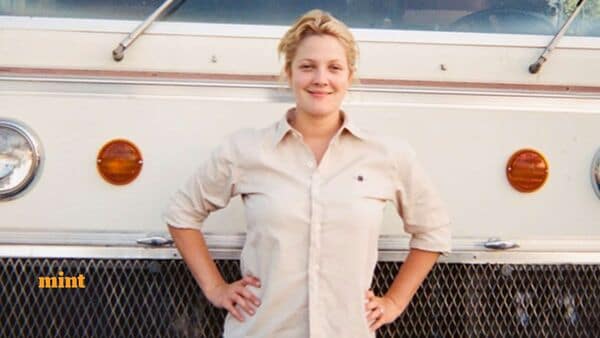
‘Happiness is a choice. You have to choose it—and you have to fight for it.’
This powerful line by Drew Barrymore challenges the common belief that happiness simply happens. Many people wait for success, love or comfort before allowing themselves to feel joyful. The Hollywood actress suggests something different. Happiness is active. It requires a decision.
The quote moves happiness from emotion to effort. Life brings disappointment, loss and uncertainty. Waiting for perfect conditions may mean waiting forever. Choosing happiness means responding to reality with courage instead of surrender.
According to this idea, joy is not the denial of pain. It is resistance against it. To fight for happiness means protecting mental health, setting boundaries and refusing to let darkness define identity.
Drew Barrymore’s life gives depth to her words. She entered Hollywood as a child and faced public struggles at a very young age. Addiction, family instability and media pressure shaped her early years. Her journey toward stability was not automatic. It required intention.
Modern culture often portrays happiness as lifestyle imagery: smiles on social media, perfect vacations and filtered success. This quote cuts through that illusion. It presents happiness as discipline.
What it means
Drew Barrymore, who celebrates her birthday on 22 February, separates happiness from luck. Circumstances may influence mood. They do not control choice.
Choosing happiness does not mean ignoring problems. It means deciding not to let them win. Fighting for happiness may involve therapy, self-care or leaving unhealthy environments.
Because life constantly tests resilience, happiness must be protected. It is not fragile fantasy. It is inner strength.
The quote also reminds us that responsibility lies within. Blaming others for our emotional state may feel easy. Growth demands ownership.
Seen this way, optimism becomes action. It is not blind positivity. It is commitment.
Where it comes from
Drew Barrymore’s autobiography and interviews reveal a childhood marked by fame and turbulence. Early exposure to adult pressures created emotional challenges.
Rebuilding her life required personal accountability. Over time, she transformed from a troubled child star to a respected actor, producer and talk show host.
Her story reflects recovery shaped by persistence. Happiness did not arrive as a gift. It was built step by step.
The quote reflects that lived experience. Joy is possible. It requires fight.
How to apply it today
Takeaway 1: Make daily habits that protect mental health.
Takeaway 2: Accept that struggle is normal, not permanent.
Takeaway 3: Choose actions that support long-term peace instead of temporary comfort.
Happiness may not be effortless. Yet it is available.
Sometimes the bravest decision is to keep choosing light, even when shadows remain.
Related readings
The Gifts of Imperfection by Brené Brown
Explores courage, self-acceptance and choosing joy despite vulnerability.
Man’s Search for Meaning by Viktor E. Frankl
Shows how purpose can be chosen even in extreme suffering.
The Happiness Project by Gretchen Rubin
A practical reflection on building happiness through deliberate habits.
Untamed by Glennon Doyle
A memoir about reclaiming personal truth and fighting for emotional freedom.