

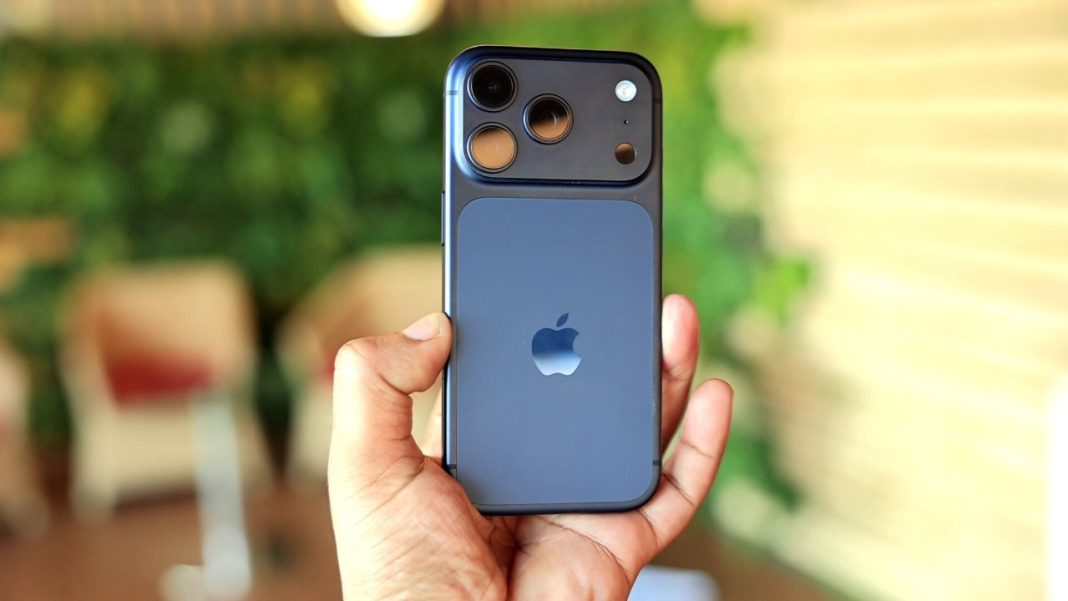
iPhones were once seen as luxury purchases in India. Today, they are far more common, helped by easy EMI options that allow buyers to spread the cost of a Rs 1 lakh phone over monthly instalments.
Walk into any electronics store or browse online shopping platforms and one thing is clear: expensive smartphones, especially iPhones, are in huge demand.
Easy EMI options offered by banks and online platforms have made it possible to buy these expensive devices with monthly payments that may appear manageable at first glance.
But financial planners say the ease of instalments can sometimes hide the real financial burden. For people who are already paying EMIs on cars, education loans or credit cards, adding another EMI for a phone could quietly stretch their finances.
IS BUYING A iPHONE ON EMI A BAD IDEA?
Abhishek Kumar, Sebi RIA and founder of Sahaj Money, believes the growing trend of buying expensive smartphones on EMIs should make people pause and think.
“This trend is largely worrying as it encourages the consumption of high-depreciation assets using future earnings,” he said.
However, he noted that the purpose of the purchase also matters.
“If someone is buying a phone or a computer to earn their living or upskill themselves then within reasonable limit such spend could be justified.”
Still, he warns that such purchases should never come at the cost of long-term financial stability.
“But such spend shouldn’t compromise a person’s ability to save or invest, leading to long term debt in exchange for short term wants.”
CHECK YOUR EMIS BEFORE ADDING ANOTHER ONE
Many young professionals today are already paying EMIs for education loans, cars, or personal loans. Adding another instalment for a phone can increase financial pressure.
Kumar says the first step is to check the debt-to-income ratio.
“They should first calculate their total Debt to Income ratio to ensure it stays below 40% including the new commitment,” he said.
He also stressed the importance of financial safety nets.
“Additionally, they should check if they have emergency fund to cover at least six months of all combined EMIs as well as other expenses to avoid a potential default during a financial crisis.”
HOW MUCH OF YOUR INCOME SHOULD GO TOWARDS EMIs?
Financial planners usually suggest limits on how much of a person’s income should go towards loan repayments.
Kumar says crossing certain thresholds can make finances risky.
“Ideally, no more than 30% of your gross monthly income should go toward debt repayments to maintain financial flexibility,” he said.
“Spending more than 40% on EMIs is considered risky, while exceeding 50% often indicates a severe debt trap that can lead to falling into debt trap if income is interrupted.”
CAN YOU REALLY AFFORD A RS 1.3 LAKH IPHONE?
Many of the latest iPhone models are priced above Rs 1.3 lakh. When buyers convert this cost into EMIs, the monthly amount may not look very large.
But Kumar says affordability should be measured carefully.
“Affordability is assessed by checking if the EMI is not going to impact mandatory 20% savings for important financial goals,” he said.
“Another practical method is to ensure that the monthly installment does not exceed 30% of one’s gross monthly income.”
THE MATH BEHIND AN IPHONE EMI
To understand this better, Kumar gave a simple example using a real iPhone price.
“Buying a phone costing Rs 1,34,900 on a 12 month even with a no cost EMI results in a monthly payment of approximately Rs 11,242,” he said.
According to him, such a purchase becomes more comfortable only at a certain income level.
“This purchase would be financially comfortable for someone with a net monthly income of Rs 1 lakh or more, as the EMI would represent a manageable 11.2% of their earnings.”
THE MISTAKE MANY BUYERS MAKE
One common trap, according to Kumar, is that buyers focus only on the EMI amount rather than the overall financial impact.
“The most significant mistake is ignoring the opportunity cost of the money, which could have generated significant wealth if invested in an appreciating asset instead of a depreciating one,” he said.
He also pointed out that many people overlook additional costs linked to EMI purchases.
“People also frequently fail to account for hidden costs like lost upfront discounts, processing fees, and the impact of the purchase on their future borrowing capacity for essential loans.”
A SIMPLE RULE BEFORE BUYING A PREMIUM PHONE
For those considering buying an expensive smartphone, Kumar suggests following simple financial rules.
“A reliable guideline is the ‘one month rule,’ which suggests the cost of the phone should not exceed your net monthly salary,” he said.
He also recommends another test before making the purchase.
“Another effective test is the ‘twice over rule,’ meaning you should only buy the gadget if you have enough liquid cash to purchase two of them comfortably without depleting your emergency savings.”
In the end, experts say the question is not whether you can get an EMI approved. The real question is whether adding another monthly payment will still leave enough room for savings, investments and financial security.