

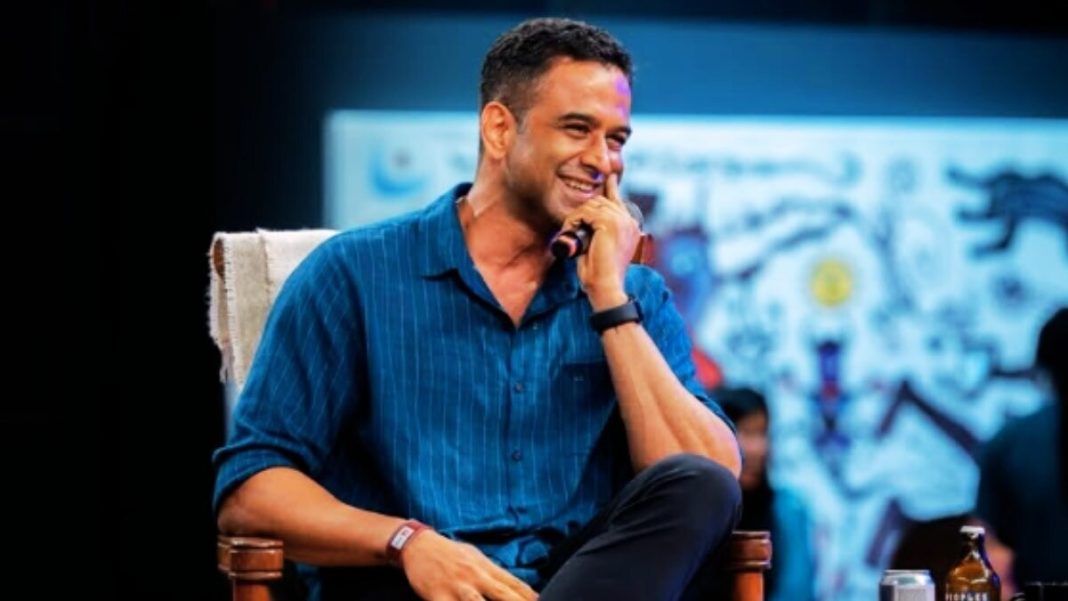
Zerodha’s Nithin Kamath Slams Mumbai Market Holiday for Lok Sabha Polls
Zerodha co-founder Nithin Kamath has sharply criticised the decision to shut stock markets in Mumbai for a day due to Lok Sabha elections, questioning why remote voting infrastructure cannot be used instead.
Key Takeaways
- Stock markets (BSE, NSE) in Mumbai will be closed on May 20 for the fifth phase of Lok Sabha elections.
- Nithin Kamath argues the holiday is illogical as it applies only to Mumbai, not the entire state of Maharashtra.
- He suggests using existing remote voting systems to allow both trading and voting.
- The debate highlights a clash between market efficiency and civic participation.
Kamath’s Critique on Social Media
Taking to X, Kamath pointed out the inconsistency in the market holiday, which is specific to Mumbai city. He proposed a practical alternative.
“Why can’t the stock market be open and people vote using the existing infrastructure for remote voting? The holiday is only for the city of Mumbai, not the state of Maharashtra. So, the rest of the state can vote and trade,” Kamath said.
Not the First Time Raising the Issue
This is not a new stance for the Zerodha founder. He has previously questioned the logic of shutting down national markets for state-specific holidays.
“Why should the stock market be shut for a Maharashtra-only holiday? The market is a national market, and Maharashtra is just one state. The market should be open for the rest of the country.”
The Broader Debate on Market Holidays
Kamath’s comments fuel an ongoing discussion about the necessity of market closures for local events. Experts are divided.
Some argue that such holidays disrupt trading continuity and can increase volatility when markets reopen. Others contend they are essential for ensuring high voter turnout in critical democratic exercises like general elections.
The capital markets regulator, SEBI, has not yet responded to Kamath’s latest remarks. The issue puts a spotlight on balancing financial market efficiency with the imperatives of democratic participation.