
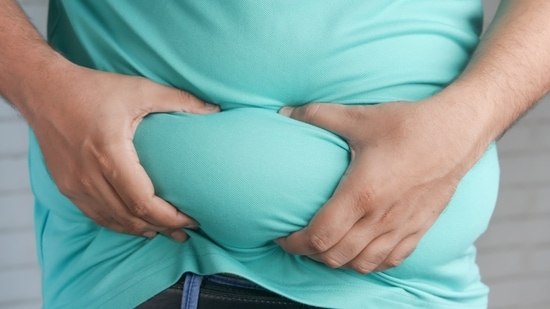
When it comes to fat loss, most of us focus on what we can see in the mirror – the pinchable layer beneath the skin that we’re eager to slim down. But while subcutaneous fat may affect how we look, it isn’t the most dangerous kind. There is another type of fat, hidden deep within the abdomen, that quietly surrounds our vital organs and plays a far more harmful role in the body. This deeper fat, known as visceral fat, is the one that deserves greater attention, as it can silently raise the risk of metabolic and cardiovascular diseases over time.
Dr Jeremy London, a board-certified cardiothoracic surgeon with 25 years of experience, is shedding light on the serious health risks linked to rising levels of visceral fat.In an Instagram video shared on February 25, the heart surgeon explains why this particular type of fat is so harmful to overall health and outlines practical ways to assess your risk.
What is visceral fat?
According to Dr London, visceral fat is the type of fat stored deep within the abdomen, surrounding vital organs such as the liver, pancreas and intestines.Unlike subcutaneous fat – the layer that sits just beneath the skin and can be pinched or seen in the mirror – visceral fat is not always visible from the outside. However, it is considered more dangerous because it is metabolically active and can interfere with hormonal and inflammatory processes in the body.
The cardiologist explains, “Subcutaneous fat is the fat that lives under our skin. It’s what you can see in the mirror. It’s what you can pinch and really what you may want to lose. But it’s not nearly as dangerous as visceral fat, which lives deep in our bellies. It surrounds our organs.”
Why is it so dangerous?
Dr London highlights that visceral fat is more dangerous than subcutaneous fat because it is highly metabolically active and functions almost like an endocrine organ in its own right. Unlike the fat that sits beneath the skin, visceral fat has the ability to convert hormones and secrete pro-inflammatory chemicals into the bloodstream, increasing systemic inflammation and contributing to an increased risk of chronic conditions such as insulin resistance, type 2 diabetes, non-alcoholic fatty liver disease and cardiovascular disease.
He emphasises, “It’s very metabolically active, so much so that it functions as an endocrine organ in and of itself. It can convert hormones. It can release cytokines, which are pro-inflammatory substances that increase your total body inflammation. By stoking inflammation, you increase your risk of chronic disease states, things like insulin resistance, type 2 diabetes, non-alcoholic fatty liver disease, and an increase in cardiovascular risk.”
How to know your risk?
Dr London outlines a simple way to assess your risk of carrying excess visceral fat: measure your waist-to-height ratio. To do this, divide your waist circumference by your height – if the number is greater than 0.5, it suggests a higher risk of increased visceral fat and related metabolic complications. For a more precise assessment, specialised tests such as a DEXA scan can provide detailed insight into body fat distribution.
He states, “Well, a simple way is to measure your waist to height ratio. Greater than 0.5 is an increased risk. If you want to look more specifically, a DEXA scan is the way to go.”
How to reduce risk?
Reassuringly, the heart surgeon notes that visceral fat is often the first type of fat to be reduced when you begin exercising consistently. Even regular brisk walks and light daily activity can make a meaningful difference over time. Pairing movement with mindful calorie restriction further supports fat loss and helps lower overall metabolic risk.
Dr London explains, “The good news is that visceral fat is usually, in most people, what you burn first. So with a consistent exercise program, even just daily walks, you can really move the needle. By adding calorie restriction, you can even amplify the effects.”
Note to readers: This article is for informational purposes only and not a substitute for professional medical advice. It is based on user-generated content from social media. HT.com has not independently verified the claims and does not endorse them.


