
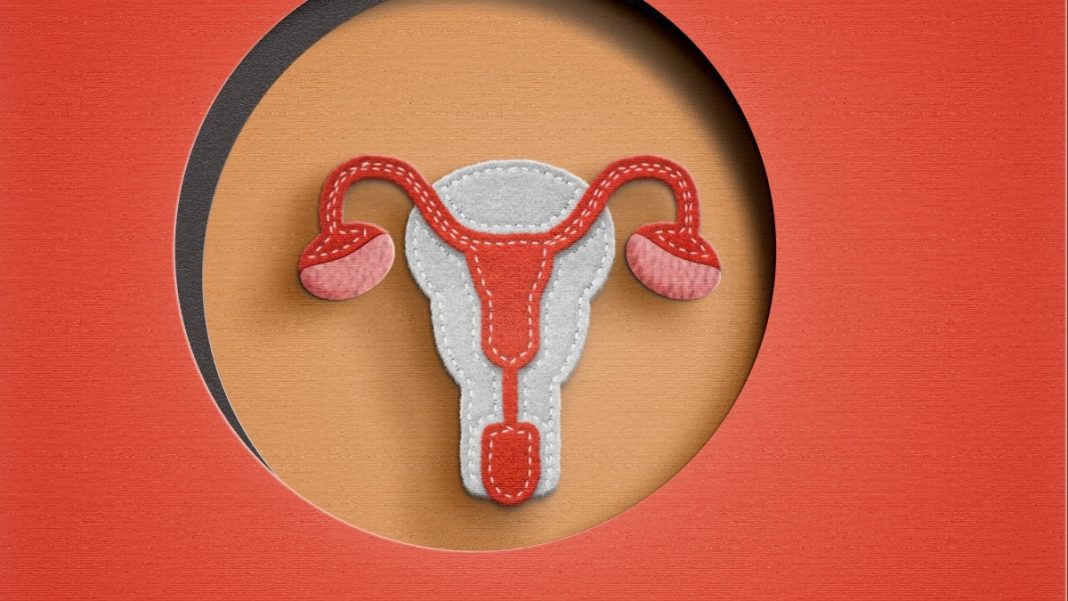
Polycystic Ovarian Disease (PCOD) is often seen as a problem linked only to irregular periods, acne, or fertility. But doctors say the condition goes far beyond the ovaries.
It affects the body’s metabolism, insulin response, inflammation levels, mood, and weight regulation.
Many women with PCOD complain of the same frustration: “I eat less, I exercise regularly, but the weight just doesn’t go.”
This is because weight management in PCOD is not simply about burning more calories than you eat. It is about understanding hormones.
According to Dr Pratyaksha Bhardwaj, world record-holding dietitian and weight management expert, PCOD changes how the body handles insulin, stores fat, and responds to stress.
When hormones are out of balance, traditional diet advice may not work effectively.
Instead of extreme dieting, women with PCOD need a strategy that supports their metabolism, improves insulin sensitivity, and reduces inflammation.
THE INSULIN CONNECTION: WHY WEIGHT GAIN HAPPENS EASILY
One of the biggest issues in PCOD is insulin resistance. This means the body produces insulin but cannot use it properly. As a result, insulin levels remain high in the bloodstream.
High insulin levels push the body to store more fat, especially around the abdomen. They also increase androgen (male hormone) production, which can worsen acne, unwanted hair growth, and irregular periods.
When women try crash diets or very low-calorie plans, the body reacts negatively. Severe calorie restriction can:
- Slow down metabolism
- Increase stress hormones like cortisol
- Worsen the hormonal imbalance
This is why extreme dieting often leads to temporary weight loss followed by weight regain.
QUALITY OVER QUANTITY: WHAT TO EAT MATTERS MORE
For women with PCOD, food quality is more important than just calorie counting.
1. CHOOSE LOW-GLYCAEMIC CARBOHYDRATES
Refined flour, white bread, sugary snacks, and sweetened drinks cause sudden spikes in blood sugar. These spikes increase insulin levels.
Instead, women should choose:
- Whole grains
- Millets
- Legumes
- Vegetables
- High-fibre fruits
These foods release glucose slowly and help keep insulin stable.
2. INCLUDE PROTEIN IN EVERY MEAL
Protein helps build muscle and keeps you full for longer. More muscle improves insulin sensitivity, which helps manage weight better. Good sources include lentils, paneer, eggs, fish, chicken, tofu, and Greek yogurt.
3. ADD HEALTHY FATS
PCOD is linked to higher inflammation in the body. Omega-3 fatty acids found in nuts, seeds, and fatty fish help reduce inflammation and support hormone balance.
MEAL TIMING AND MICRONUTRIENTS ALSO MATTER
Skipping meals and then eating large portions later can cause major blood sugar fluctuations. Long gaps followed by heavy meals can increase insulin spikes.
Maintaining regular meal timings helps stabilise blood sugar and hormones.
Women with PCOD are also commonly deficient in:
- Vitamin D
- Vitamin B12
- Iron
- Magnesium
Correcting these deficiencies under medical supervision can improve energy levels, metabolism, and overall hormonal health.
MOVEMENT, STRESS, AND SLEEP: THE MISSING PIECES
Exercise is important, but balance is key.
Strength training is especially helpful because it builds lean muscle, which improves insulin sensitivity. A combination of moderate cardio and resistance training works best.
However, excessive exercise combined with low food intake can increase stress hormones. High cortisol levels promote belly fat storage and disturb hormones further.
Sleep and stress management are equally important. Women should aim for 7 to 8 hours of quality sleep. Chronic stress and lack of sleep can increase cortisol, worsen insulin resistance, and make weight loss harder.
Simple stress management practices like walking, yoga, meditation, or deep breathing can make a big difference.
A SUSTAINABLE STRATEGY WORKS BEST
Crash diets may give quick results, but they often damage metabolic health and cause weight rebound. PCOD requires a long-term, personalised approach.
Weight management in PCOD is not about eating less. It is about:
- Eating balanced meals
- Choosing low-glycaemic foods
- Building muscle
- Managing stress
- Sleeping well
- Correcting nutrient deficiencies
When women focus on stabilising hormones rather than restricting food, the body becomes more resilient. Over time, metabolism improves, and weight becomes easier to manage.
PCOD management is not a short-term diet plan. It is a lifestyle shift that supports hormonal balance and overall health.


