
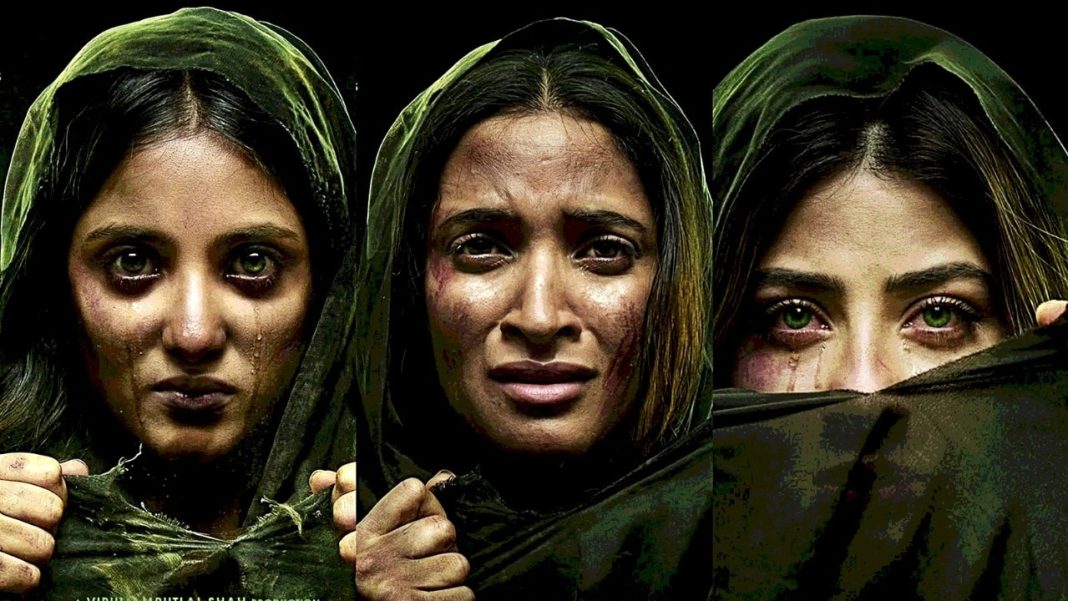
A week before its release, The Kerala Story 2 has found itself at the centre of a fresh controversy, echoing the turbulence that surrounded its predecessor. Directed by Kamakhya Narayan Singh and produced by Vipul Amrutlal Shah, the film claims that young Hindu women are lured into interfaith marriages, only to be assaulted, stripped of their rights, and forced to convert to Islam.
The trailer has sparked intense debate, drawing political attention as well. On Thursday, Kerala Chief Minister Pinarayi Vijayan publicly criticised the film, calling it “false propaganda” and “poisonous”. Soon, a petition was filed in Kerala High Court against the film by a person named Sreedev Namboodiri, a biologist by profession.
The petition challenged the release of the film, leading the Kerala High Court to issue notices to the Information & Broadcasting Ministry, Central Board of Film Certification (CBFC), and the film’s producer. The court will hear the case on February 24, amid concerns over the film’s portrayal of Kerala and potential impact on regional harmony.
But what exactly is the controversy about, and why has a particular scene become the focal point of the discourse?
What triggered the outrage?
The debate began after the makers released the trailer earlier this week. It introduces three Hindu women from different parts of India who choose to marry Muslim men against their families’ wishes. The narrative then follows their gradual disillusionment: portraying them as isolated from their customs and eventually trapped in loveless, violent marriages.
The trailer frames the film as a cautionary tale. It positions itself as a warning aimed particularly at young women, suggesting that romantic relationships across faiths can lead to loss of identity, faith and autonomy.
While supporters argue that the film raises awareness about forced conversions, critics say it presents a one-sided and communal narrative that paints interfaith marriages as inherently suspect.
The scene that sparked debate
At the heart of the controversy is a scene in which one of the women is shown being forcibly fed beef. The image has become one of the most widely discussed moments from the trailer.
In India, beef consumption is not merely a dietary issue but a politically charged one. For Hindus, the cow holds religious significance, and several states have laws regulating or banning cow slaughter. Over the years, incidents related to beef consumption have triggered protests, violence and legal disputes.
By depicting a Hindu woman being forced to eat beef, the trailer invokes a symbol that extends beyond food: touching upon questions of identity, faith and coercion. Critics argue that the scene is designed to provoke an emotional reaction. Supporters maintain that it reflects realities the filmmakers have reportedly claimed to have documented.
The first film in the legacy
The first film, The Kerala Story, released in 2023, followed the story of a young woman allegedly manipulated into conversion and radicalisation. Starring Adah Sharma, the film depicted her character’s journey from Kerala to Syria, where she is forced to join the terrorist organisation ISIS.
Despite sharp criticism and allegations of exaggeration, the film performed well at the box office and later won National Awards, including Best Director for Sudipto Sen. The sequel appears to expand on similar themes, once again focusing on interfaith relationships and conversion. Unsurprisingly, the criticisms echo those directed at the first instalment.
What did Pinarayi Vijayan say?
Kerala Chief Minister Pinarayi Vijayan condemned the second part in a statement shared on Facebook. He described it as an attempt to spread “lies, hatred and anti-Kerala propaganda,” and questioned why “poisonous works produced to spread division and hatred in society” were allowed public screening.
He argued that the film undermines Kerala’s long-standing reputation for communal harmony and secular values. Referring to the first part, he said the country had recognised the film as being driven by “communal motives”. The sequel, he alleged, similarly portrays even consensual interfaith marriages as instances of coercion.
Vijayan also warned of forces attempting to disturb the state’s peace, describing them as “enemies of the state” who seek to disrupt Kerala’s tradition of mutual respect among communities.
Certification and political relevance
The film has received a U/A certificate from the censor board. The makers have welcomed the certification, saying it allows younger audiences to watch the film.
Whether the film or its teaser is politically charged is at the centre of the debate. However, the court’s intervention on Thursday shifted the conversation significantly. What began as a disagreement over narrative framing has now raised questions about institutional responsibility — how such films are certified, whether due diligence was exercised, and whether cinema can be divorced from political consequences when it invokes a specific state and its social fabric.
The very title references a specific state, even though the narrative claims to depict incidents from across the country. For critics, this territorial framing carries political implications. For the filmmakers, it reflects what they describe as documented cases.
Cinema, propaganda or provocation?
The larger question remains unresolved: Is The Kerala Story 2 a film highlighting uncomfortable truths, or does it risk reinforcing communal stereotypes?
Cinema has long engaged with political themes, and provocative storytelling is not new. What distinguishes this controversy is how deeply it intersects with contemporary debates on interfaith relationships, religious identity and state politics.
Directed by Kamakhya Narayan Singh, The Kerala Story 2 features Ulka Gupta, Aditi Bhatia and Aishwarya Ojha in the lead roles. The film is scheduled for release on February 27.


