Myopia is not just due to unending screen time. There is also a second reason

Myopia, or nearsightedness, has become a global epidemic.

In the US and Europe, about 50 per cent of young adults are affected, while in parts of East Asia, rates reach nearly 90 per cent.

Blurry distant vision is the main issue, and while genes play a role, the rapid rise points to lifestyle factors. For years, experts blamed too much screen time.

But new research from the State University of New York (SUNY) College of Optometry suggests it’s not just screens. It’s how we use our eyes indoors.
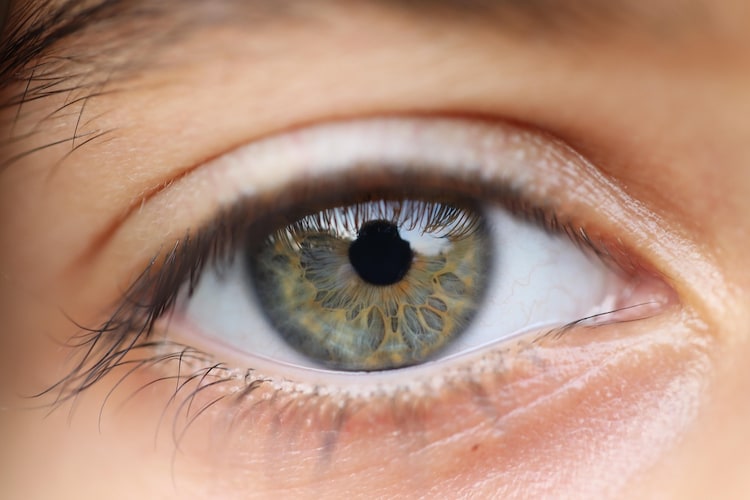
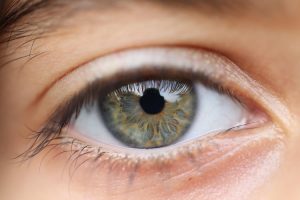
A close up of an eye. (Photo: Pixabay)

A close up of an eye. (Photo: Pixabay)

WHAT REALLY HAPPENS TO OUR EYES DURING CLOSE-UP WORK?

When we read books, scroll on phones, or study on tablets in dim indoor light, our eyes focus up close.

This triggers “accommodation,” where the eye lens changes shape to sharpen the image. At the same time, the pupil constricts, not from bright light, but to help focus better.

In low light, this double effect cuts down the light reaching the retina dramatically.

Researchers, led by Jose-Manuel Alonso, MD, PhD, and doctoral student Urusha Maharjan, found that this reduced retinal light weakens certain visual signals in the eye.

Over long periods, it may trigger myopia development.

The study, published in Cell Reports, shows that people with myopia have extra pupil narrowing and eye turning during close focus, creating a cycle that worsens the problem.

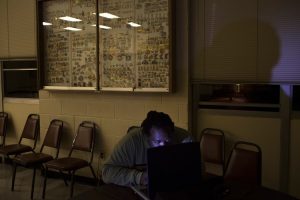
A student with Myopia stares into his laptop screen in a porrly lit room. (Photo: Reuters)

A student with Myopia stares into his laptop screen in a porrly lit room. (Photo: Reuters)

WHY DOES OUTDOOR TIME HELP FIGHT MYOPIA?

Bright natural light outdoors works differently.

The pupil constricts to protect the eye, but plenty of light still hits the retina. This keeps visual pathways strong and prevents the low-light issues seen indoors.

The hypothesis explains why spending time outside slows myopia progression.

It also explains why treatments like atropine drops, which relax pupil muscles, multifocal lenses, or looking far away help by limiting excessive pupil constriction during near work.
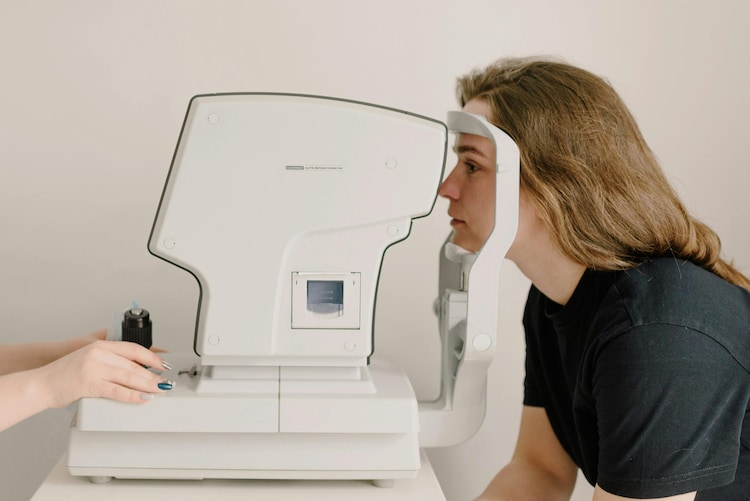
Doctor checking eyesight of female patient using vision screening device. (Photo: Pexels)

Doctor checking the eyesight of a female patient using a vision screening device. (Photo: Pexels)

CAN MYOPIA BE PREVENTED?

The study offers hope but isn’t the final word.

It proposes a unifying explanation for why near work in dim rooms fuels myopia, while bright light and less close focus protect against it.

Experts stress that avoiding long hours of close-up tasks in low light is a step towards prevention.

Add to that, simple steps like better room lighting, regular breaks to look far away, and more outdoor play could make a difference.

But as Alonso noted, “This is a testable idea grounded in eye physiology. More studies are needed, but it gives us fresh ways to think about prevention.”
Latest

Rain hits Delhi amid rising heat: What’s going on with the weather?

Triggered by a weak Western Disturbance, Delhi saw sudden cloud cover, gusty winds and light to moderate rain, bringing a temporary dip in temperatures without

Days after returning from the Moon, Artemis-2 astronauts begin moonwalk training

The timing of the training makes sense as the astronauts’ bodies are still adjusting to Earth’s gravity, their muscles and sense of balance feel off, simila

Satellites to surgery: How Isro’s space tech is entering hospitals’ operating theatre

Nasa began exploring remote surgery for astronauts in the 1970s, but the machines were too bulky, and the idea was shelved. The Moon Man of India, in an exclusi

Rain arrives in Delhi. Other states await similar relief from heat

Around 70% of the region, however, will remain dry and showers will provide only short-lived cooling after a hot afternoon, with temperatures likely to rebound

Indian summers are changing for good. They are getting longer and hotter

For India, where agriculture, water supply, and public health are all dependent on seasonal rhythms, the implications are significant. 

Topics

Bhubaneswar boy scores perfect 100% in CBSE Class 10, now targets NEET

A Bhubaneswar student, Ayusman scored 100% in CBSE Class 10 board results. Starting the preparation from March-April, he says he focused on consistency, concept

KV schools are topping India’s boards. So why are bureaucrats opting out?

How Kendriya Vidyalayas' demographic shift reflects broader educational trends

MVA faces consensus challenge ahead of MLC polls, Mahayuti may secure majority

Can Thackeray's candidacy unify MVA for upcoming MLC elections?

Word of the day: What ‘alacrity’ means and how to use it right

The word of the Day for April 18 is: Alacrity. Learn what it means and how to use it in daily conversation. Add it to your vocabulary and impress everyone aroun

Quote of the day by Ratan Tata: I don’t believe in work-life balance. I believe in…

Powerful words by Ratan Tata inspire millions seeking success, happiness, and purpose in life. Discover his wisdom on work-life integration, leadership, persona

Not going anywhere: Iran rejects Trump’s plan to transfer uranium to US

Iran denied any plan to transfer enriched uranium to the US, contradicting Trump’s claims, as both sides continue negotiations amid disagreements over nuclear

Mystery flights: Four Chinese aircraft switch off before landing in Iran

Reports claim four Chinese cargo planes switched off transponders mid-flight and landed in Iran within 48 hours, raising concerns over possible arms shipments,

Strait of Iran? Trump’s Hormuz remark sparks buzz after reopening move

Trump welcomed Iran reopening the Strait of Hormuz but mistakenly called it the Strait of Iran, sparking online debate over whether it was a simple slip or a si
spot_img

Related Articles

Popular Categories

spot_imgspot_img