
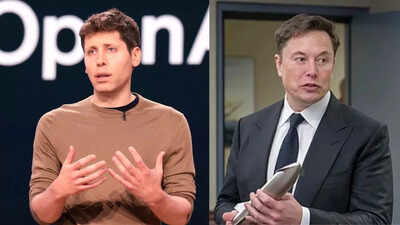
Sam Altman Counters Elon Musk’s Lawsuit, Calls Claims “Disappointing”
OpenAI CEO Sam Altman has publicly responded to the lawsuit filed by co-founder Elon Musk, labeling the legal action as “disappointing” and “confusing.” The dispute centers on accusations that OpenAI abandoned its non-profit mission for profit.
Key Takeaways
- Sam Altman refutes Elon Musk’s lawsuit, calling it based on incorrect assumptions.
- OpenAI shared emails showing Musk once supported a for-profit model and proposed a merger with Tesla.
- Altman specifically denied Musk’s claim that the Q* project has achieved Artificial General Intelligence (AGI).
- The company maintains its focus is on developing safe and beneficial AI.
The Core of the Dispute
Elon Musk, who co-founded OpenAI but left in 2018, sued the company last week. He alleges it breached its original founding agreement by prioritizing commercial gains, particularly through its partnership with Microsoft, over its commitment to the public good.
In a detailed blog post, Altman and other OpenAI leaders pushed back against these claims. They presented internal email evidence suggesting Musk himself once advocated for a for-profit structure and even proposed merging OpenAI with Tesla to secure funding.
“We are sad that it’s come to this with someone whom we’ve deeply admired,” the OpenAI leadership wrote.
Clarifying the Q* and AGI Claims
A significant point of contention is Musk’s assertion that OpenAI has already achieved Artificial General Intelligence (AGI) with its Q* model. Altman directly countered this, stating the claim is mathematically flawed.
“The Q* project is a minor research project, nowhere close to AGI,” Altman clarified, emphasizing that Musk’s understanding of the project’s capabilities is incorrect.
OpenAI’s Stance on Its Mission
Despite the lawsuit, OpenAI’s official response insists the company’s core mission remains unchanged. The leadership asserts they are dedicated to creating safe and beneficial AI for all of humanity, denying that the Microsoft partnership compromises this goal.
The public exchange marks a significant escalation in tensions between the former collaborators, highlighting the complex ethical and commercial debates shaping the future of artificial intelligence.


