
Key Takeaways
- HIV remains incurable after 40+ years despite massive scientific investment
- The virus integrates into human DNA and hides in dormant reservoirs
- Current treatment requires lifelong antiretroviral therapy
- Global prevention efforts are showing promising results in reducing infections
More than four decades after its discovery, HIV has transitioned from a death sentence to a manageable chronic condition, yet a complete cure remains elusive. Despite unprecedented global scientific efforts, only a handful of people have ever been declared cured – and those cases involved risky bone marrow transplants for cancer treatment, not medical interventions.
The Elusive HIV Cure: Why Treatment Isn’t Enough
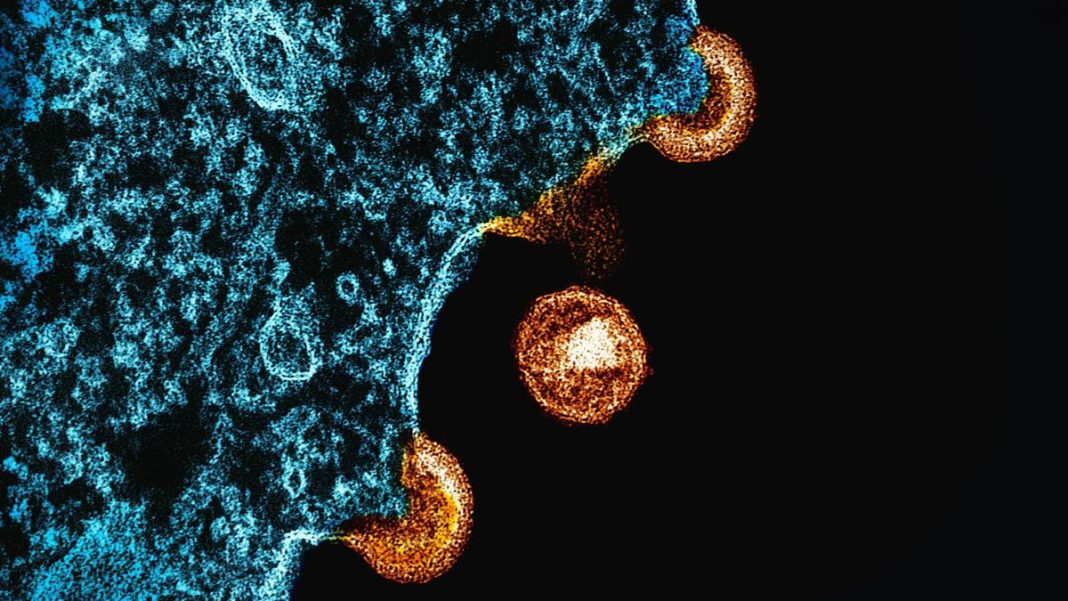
Since French virologists Françoise Barré-Sinoussi and Luc Montagnier first isolated the retrovirus in 1983, HIV has proven exceptionally resilient. Unlike ordinary viruses, HIV integrates its genetic material into human DNA and can enter dormant states, creating hidden reservoirs that current medications cannot reach.
Today, survival depends on strict, uninterrupted antiretroviral therapy. Any lapse risks viral rebound and potential drug resistance, creating both physical side effects and psychological burdens for the estimated 91.4 million people who have ever been infected.
HIV’s Unique Defense Mechanisms
Two properties make HIV particularly difficult to eliminate:
1. Genomic Integration: As a retrovirus, HIV converts its RNA to DNA and integrates permanently into the host’s genome. The viral DNA becomes indistinguishable from the person’s own genetic material.
2. Viral Latency: After integration, HIV can enter a dormant state where infected cells carry the virus but produce no new particles. This hidden reservoir remains invisible to the immune system and unaffected by medications.
These factors combine to create what scientists call a “moving target” – the virus constantly changes while hiding inside long-lived cells. When treatment stops, dormant cells reactivate, restarting the infection cycle.
Reasons for Optimism in the HIV Battle
Despite the challenges, significant progress has been made. Expanded testing, earlier diagnosis, and improved treatment access have transformed HIV management. Modern antiretroviral therapy not only maintains health but reduces viral levels to the point where transmission becomes virtually impossible.
Global infection rates are declining annually as prevention efforts narrow transmission paths. While science hasn’t conquered HIV with a cure, humanity’s collective will and sustained public health initiatives are gradually rendering the virus powerless through awareness and prevention.


