Chancellor’s Inheritance Tax Changes Spark Rural Business Backlash
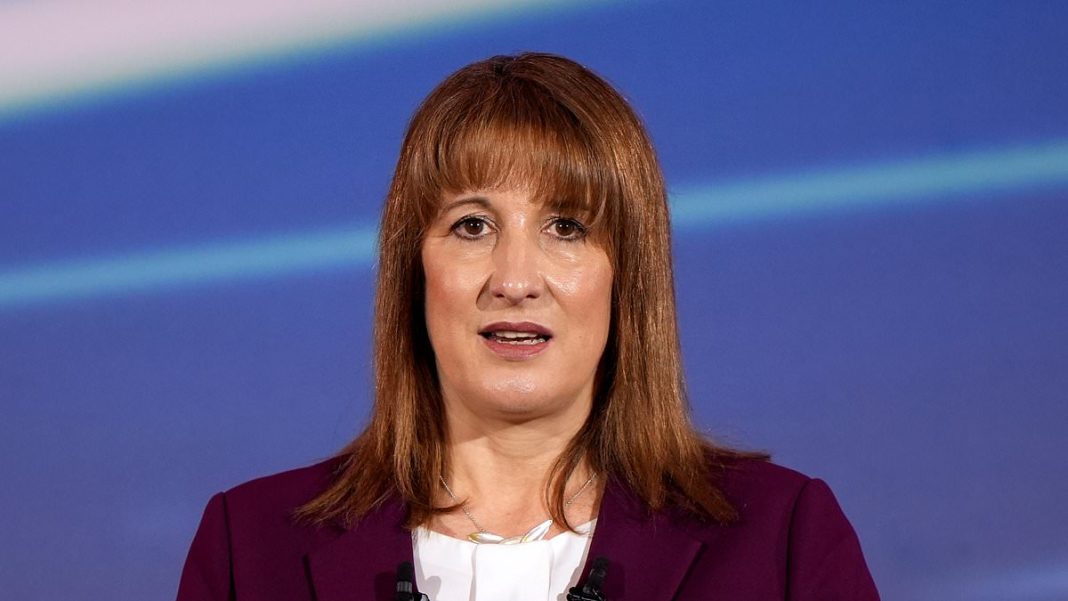
Chancellor Rachel Reeves faces mounting criticism over inheritance tax reforms that could impose significant financial burdens on family farms and businesses. The Budget announcement revealed enterprises valued over £1 million will face 20% death duties starting April next year.
Key Concerns
- 20% inheritance tax on businesses worth over £1 million from April 2025
- Potential for families to sell farms/businesses to cover tax bills
- Doubled tax-free allowance to £2m for couples called “minor tweak”
The proposals have triggered outrage among rural business owners who fear inheritance tax bills could force family enterprises to shut down operations.
Industry Response
The Country Land and Business Association (CLA), representing 28,000 rural businesses across England and Wales, has strongly condemned the changes to business property relief (BPR) and agricultural property relief (APR).
CLA president Gavin Lane told the Daily Mail: ‘For the 5.2m family-owned businesses, the consequences of changes to Business Property Relief coming into force in April could be existential.’
‘Given the cost of machinery, stock and livestock, even family businesses and farms with modest turnovers could find themselves being valued – on paper at least – as being worth millions of pounds.’
‘On that basis, when the owner dies, their children could easily face an inheritance tax bill of hundreds of thousands of pounds, even if their annual profit is a fraction of that. Put simply, many of these businesses will not survive – taking their productivity, jobs and supply chains with them.’
Economic Impact
Research by Family Business UK indicates the tax changes could:
- Eliminate over 200,000 jobs
- Reduce economic activity by £15 billion
- Cost £1.9 billion during this Parliament due to job losses
This contrasts with Treasury projections of £500 million annual revenue from the tax changes.
Lane urged the government to reconsider: ‘Family businesses produce 52 per cent of UK turnover – worth £2.8 trillion. The owners live above the shop. They spend locally, they employ locally. They are the backbone of our economy and of our rural communities, and they deserve the chance to grow.’