
Solar Flare Grounds 6,000 Airbus Planes in Largest Aviation Recall
Key Takeaways:
- 6,000 Airbus A320 aircraft grounded globally due to solar flare vulnerability
- Software flaw in flight control computers causes potential data corruption
- Emergency directive mandates fixes before passenger flights resume
- Single incident injured 15 passengers during sudden altitude drop
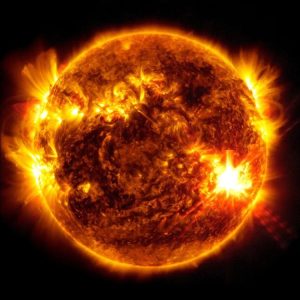
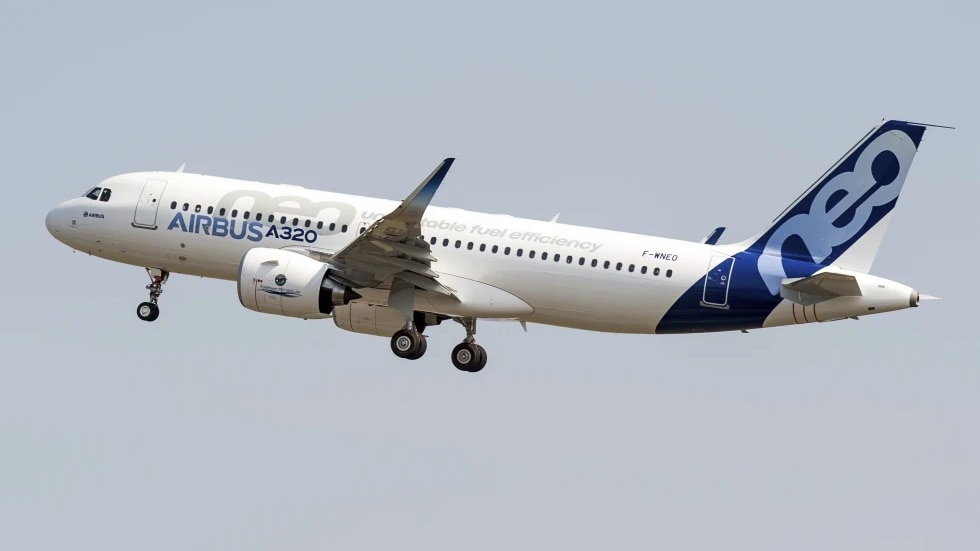
Intense solar radiation has exposed a critical software vulnerability in Airbus A320 family aircraft, forcing the grounding of approximately 6,000 planes worldwide. This marks the largest safety recall in Airbus’s 55-year history, affecting nearly half of its single-aisle fleet.
The European Union Aviation Safety Agency issued an Emergency Airworthiness Directive on November 28, 2025, requiring repairs before affected aircraft can resume passenger operations.
What Caused the Grounding?
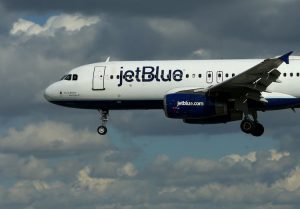
The crisis emerged during a JetBlue Airways A320 flight from Cancun to Newark on October 30. At 35,000 feet, the aircraft experienced an uncommanded pitch-down maneuver that injured 15 passengers and forced an emergency landing in Tampa.
Airbus investigation confirmed solar radiation corrupted data in the Elevator Aileron Computer (ELAC B) running software version L104. While the autopilot corrected the trajectory, analysis revealed broader risks across both A320ceo and A320neo variants.
Fly-by-Wire System Vulnerability
Airbus A320 family aircraft use advanced “fly-by-wire” technology where electronic signals replace mechanical controls. The ELAC computers process these signals to adjust flight surfaces.
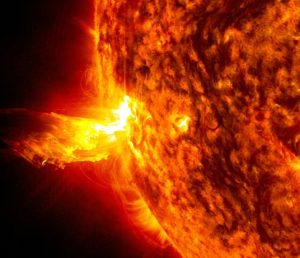
During solar flares, charged particles can penetrate aircraft electronics at cruising altitudes, flipping memory bits and corrupting elevation calculations in the vulnerable L104 software. In worst-case scenarios, this could trigger uncommanded elevator movements risking structural damage.
Global Impact and Resolution
Airlines must either revert ELAC software to version L103 or replace hardware components – a process requiring approximately three hours per aircraft. Passenger-free “ferry flights” are permitted to relocate planes to maintenance facilities.
The grounding affects major carriers including American Airlines, Delta, and IndiGo, causing significant disruptions during peak holiday travel periods. Airbus and EASA are coordinating rapid implementation while prioritizing passenger safety.
Broader Aviation Safety Concerns
Solar activity follows an 11-year cycle, with the current period experiencing heightened radiation events. This incident highlights the aviation industry’s growing dependency on radiation-hardened avionics and improved space weather monitoring.
Future mitigation strategies may include shielded processors and real-time solar alert systems. For now, global regulators maintain the grounding until all aircraft are verified safe, preventing any recurrence of the October incident.