
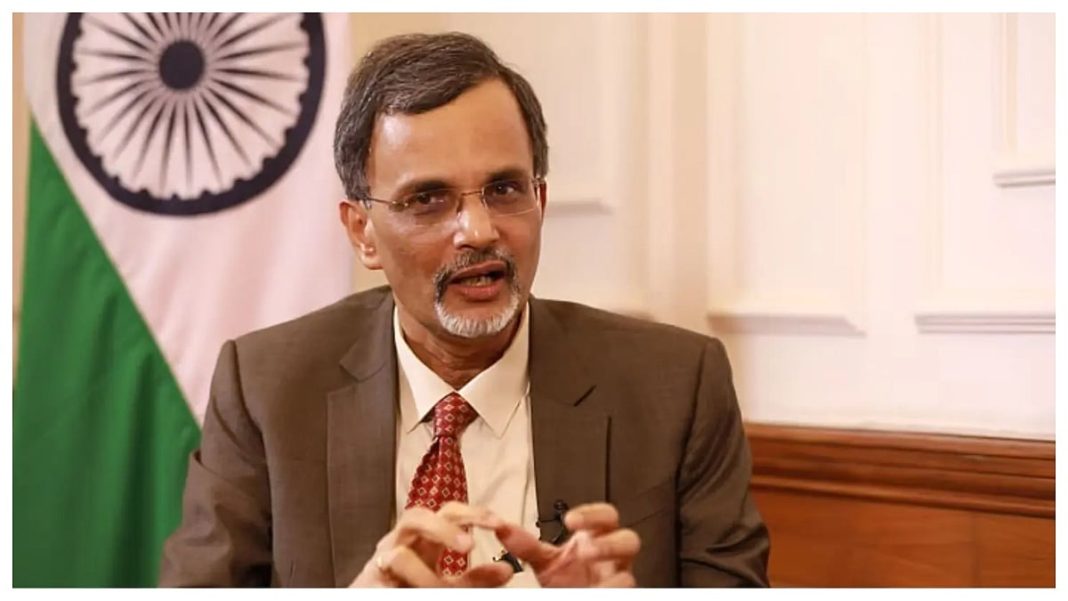
CEA Nageswaran Calls for Broader Bond Market Access for Mid-Sized Firms
Chief Economic Advisor V Anantha Nageswaran has highlighted the concentration of large, well-rated companies in India’s bond market and emphasized the need to enable mid-sized firms to access capital systematically and affordably.
Key Challenges in Debt Markets
Speaking at a Trust Group event in Mumbai, Nageswaran identified market concentration as the primary challenge rather than the absence of a debt market. “Large and highly rated firms raise capital with ease. The task ahead is to enable mid-sized corporates, infrastructure SPVs, supply chain firms… to access markets systematically and affordably,” he stated.
The CEA also called for increased market liquidity and urged investors to move away from the practice of holding papers until maturity.
Dual-Engine Financing Model
Nageswaran proposed a “double-engine” financing approach where bond markets and bank funding share the load to support India’s growing economy. He described this model as “foundational” rather than optional.
- Banks: Working capital, relationship-driven lending, and early-stage project finance
- Debt Capital Markets: Long-duration financing, transition finance, large corporates, and mid-market issuers
He emphasized that domestic money should “anchor” funding in Indian debt markets, with foreign flows playing a complementary role.
India’s Economic Strengths
Nageswaran highlighted several positive fundamentals supporting India’s debt market development:
- Sustained high economic growth
- Macroeconomic stability despite global shocks
- Credible fiscal consolidation path
- Resilient banking system with strong balance sheets
- Anchored inflation expectations
- Record foreign exchange reserves and stable external position
These factors have boosted investor confidence and contributed to the global index inclusion of Indian government securities, which the CEA called a milestone reflecting belief in India’s institutions and debt management credibility.
Looking ahead, Nageswaran identified debt, liquidity, and innovation as the next frontier, calling for smarter regulations to support market development.


