

Key Takeaways
- Aadhaar offline verification lets you prove identity without sharing your full Aadhaar number
- Uses secure QR codes or digital files instead of photocopies
- Prevents identity theft and financial fraud by limiting shared data
- Accepted at hotels, events, workplaces, and retail locations
The Unique Identification Authority of India (UIDAI) has launched an offline verification system that provides a safer alternative to sharing Aadhaar photocopies for identity checks. This method protects users from potential identity theft while maintaining convenience for everyday verification needs.
What is Aadhaar Offline Verification?
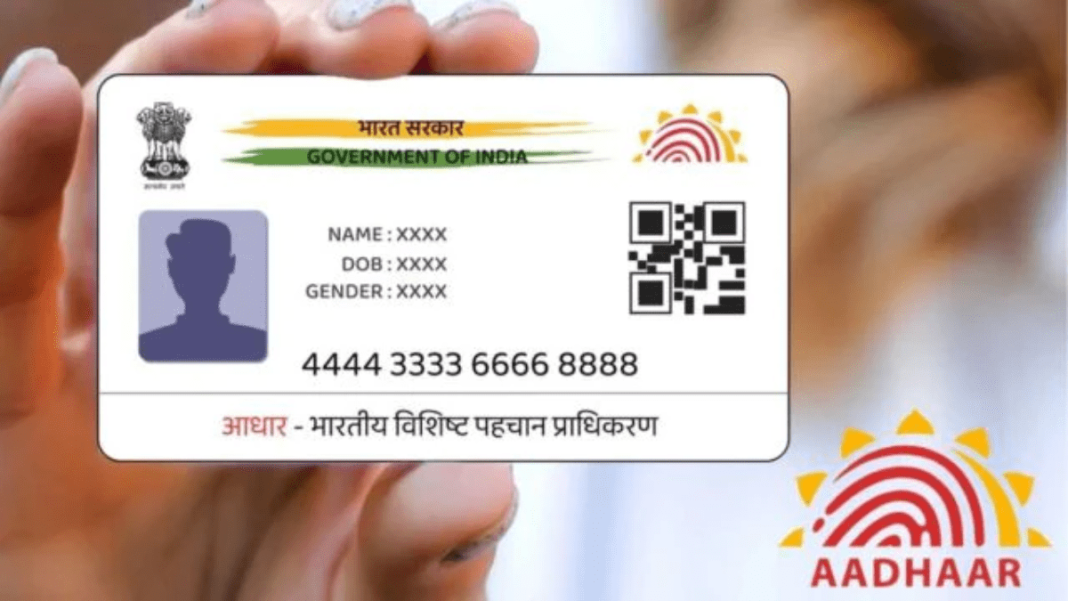
Aadhaar offline verification is a secure identity proof method that doesn’t require sharing your complete Aadhaar number or sensitive personal details. Instead of presenting physical cards or photocopies, users can show a digitally signed file or secure QR code containing minimal demographic information.
The verification file is digitally signed to ensure authenticity and prevent tampering. Since no biometrics or database lookups are involved, your Aadhaar details remain completely under your control.
Where Can You Use Offline Verification?
This method is becoming increasingly relevant for routine identity verification scenarios:
- Hotel check-ins and accommodation verification
- Entry to concerts, events, and public gatherings
- Workplace access and residential society registration
- Retail transactions and service-based identity checks
Rather than submitting photocopies that could be duplicated or stored without consent, individuals can share secure QR codes or digital files that expire after use. This approach is both safer and more efficient for both users and verifying authorities.
How It Prevents Financial Fraud
Identity theft often begins when Aadhaar photocopies fall into the wrong hands. Fraudsters have used such documents to apply for loans, open unauthorized bank accounts, obtain SIM cards, or access personal communications.
Offline verification significantly reduces this risk by sharing only partial, non-sensitive information. Since the shared data cannot be reused for financial services, criminals cannot exploit it for fraudulent transactions.
Privacy-First Identity Verification
The growing adoption of Aadhaar offline verification represents a broader shift toward privacy-focused digital identity practices in India. By giving users control over what data they share and eliminating photocopy circulation, this method enhances personal security without sacrificing convenience.
As more organizations embrace this approach, it could establish a new standard for safe, hassle-free identity verification nationwide.


