
Potato Waste Transformed into Premium Skincare Ingredients
Scientists are converting potato plant waste into valuable skincare components, potentially creating ‘skincare gold’ from agricultural byproducts typically discarded after harvest.
Key Takeaways
- Potato shaws (stems and leaves) contain solanesol for Coenzyme Q10 production
- Scottish potato industry could yield 120 tonnes of solanesol annually
- University of Aberdeen leading research for cosmetic applications
- Creates new revenue streams for farmers while reducing waste
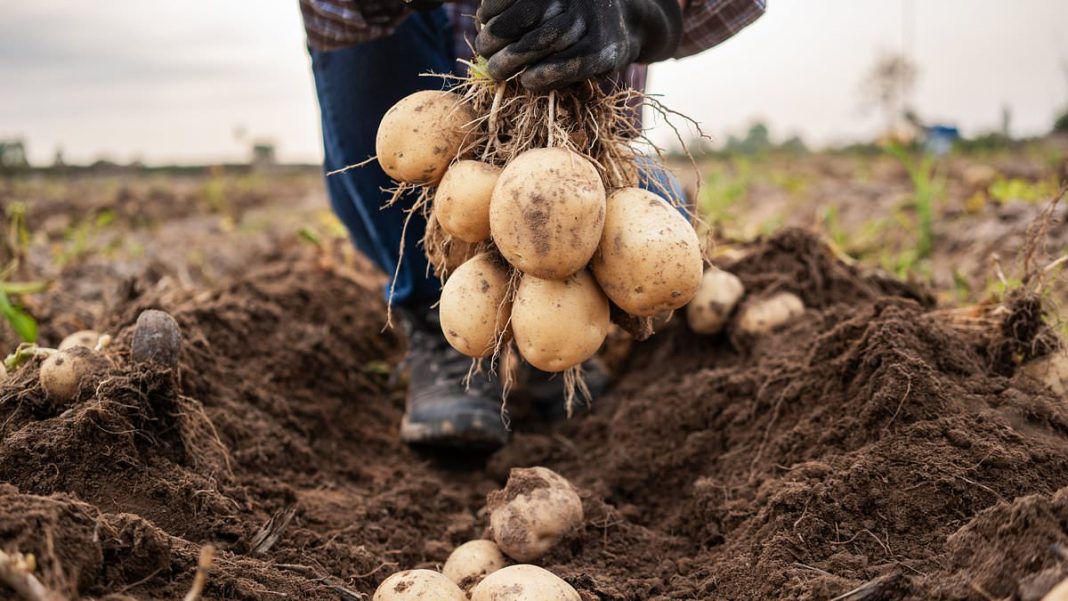
Researchers have discovered that potato shaws – the above-ground stems and leaves traditionally discarded after potato harvest – contain crucial compounds for cosmetics. These include solanesol, vital for producing Coenzyme Q10, and vitamin K2.
Coenzyme Q10 is a powerful antioxidant essential for maintaining youthful, healthy skin, commonly used in serums and moisturizers. Vitamin K2 supports collagen production and calcium metabolism.
Scientific Backing for Potato Skincare
A 2019 study found potato peel extract significantly increased collagen expression. “These results suggest that potato peel extract could be a novel and effective anti-aging material,” researchers concluded.
Potatoes have long been used in DIY skincare for addressing hyperpigmentation, dark circles, and acne. Some even claim mashed potato with lemon juice can smooth crow’s feet.
Actress Olivia Munn reportedly consumes Japanese sweet potatoes for skin youthfulness. Sweet potatoes contain beta-carotene, which converts to vitamin A, protecting skin from UV damage and environmental stressors.
Economic and Environmental Benefits
The University of Aberdeen project could generate new income for Scottish farmers while reducing agricultural waste. With 12,800 hectares of seed potatoes grown in Scotland, the industry could produce up to 120 tonnes of solanesol yearly.
Grampian Growers cooperative called the project “particularly significant” for the potato industry. Professor Heather Wilson stated: “Exploring the quality and yield of solanesol extracted from locally sourced potato shaws—and evaluating its potential applications across the cosmeceutical and related industries represents an exciting and impactful area of research.”
Unusual Skincare Ingredients Already in Use
- Placenta and snail slime in rejuvenation products
- Bird poop and sheep sebum in specialty creams
- Bee venom as ‘natural Botox’ alternative
- Marijuana and tree sap in therapeutic formulations
Scientists recently discovered bee venom’s melittin peptide can trigger skin’s natural repair mechanisms, boosting collagen, elastic fibers, and hyaluronic acid production.
Earlier this year, Boots launched a TikTok-inspired HABI range featuring trending ingredients like lion’s mane mushroom, ashwagandha, and sea moss, targeting energy, calm, and focus benefits.