Key Takeaways
- Cash ISA allowance slashed from £20,000 to £12,000 from April 2027
- Savings, dividend, and rental income tax rates increased by 2 percentage points
- Over-65s exempt from ISA cuts, keeping full £20,000 cash allowance
- Changes expected to raise over £2 billion annually for Treasury
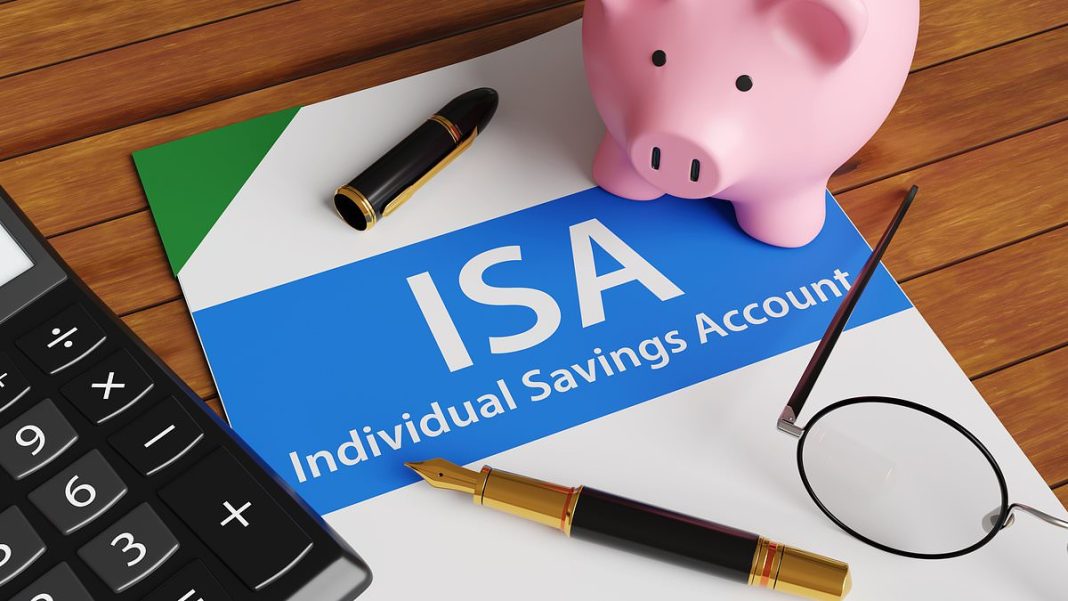
Chancellor Rachel Reeves has delivered a significant blow to savers, landlords, and investors in the latest Budget, implementing sweeping tax increases on wealth. The cash ISA annual allowance will be reduced from £20,000 to £12,000 starting April 2027, while tax rates on savings interest, dividends, and rental income will rise by 2 percentage points.
The measures are projected to generate more than £2 billion annually for the Treasury, marking one of the largest wealth raids in recent Budget history.
ISA Allowance Changes
In a seismic shift for tax-free savings, the maximum that can be saved in cash ISAs each year will fall to £12,000 from April 2027. However, Chancellor Reeves provided a surprise reprieve for over-65s, who will continue to enjoy the full £20,000 cash ISA allowance.
Under-65s will need to invest £8,000 in stocks and shares ISAs if they wish to utilize their full annual tax-free allowance. This creates a two-tier system that has drawn both criticism and relief from different age groups.
Savings Interest Tax Hike
The Chancellor delivered a shock tax increase on savings interest, with rates rising to 22%, 42%, and 47% from April 2027. This affects interest earned above the personal savings allowance of £1,000 for basic-rate taxpayers and £500 for higher-rate taxpayers.
The Treasury already collects £6 billion annually in savings interest tax, and the Office for Budget Responsibility projects these changes will raise an additional £500 million per year from 2028/29.
Laura Suter of AJ Bell commented: ‘Savers are being hit with another whopping tax increase, adding to the tax tsunami that’s hit them in the past few years. The combined forces of a freeze on income tax bands, higher interest rates and a frozen personal savings allowance have all dragged millions more people into paying tax on their savings.’
Impact on Landlords and Investors
Landlords face similar tax increases on rental income, with rates rising to 22%, 42%, and 47% from April 2027. The OBR estimates this will generate £500 million annually for the Treasury from 2028/29.
Jason Tebb of OnTheMarket described the additional tax as ‘disastrous’ for landlords, warning: ‘This reform will simply see more and more landlords removing themselves from the private rental sector for a further squeeze on rental supply.’
Investors and small business owners will also be affected by dividend tax increases. Basic rate taxpayers will pay 10.75% on dividend income above the £500 allowance, while higher-rate taxpayers will pay 35.75%. The OBR predicts this will raise an additional £1.2 billion by 2027/28.
Relief for Pensioners
Pensioners with cash ISA savings expressed relief after being exempted from the allowance cuts. The over-65s will maintain their full £20,000 cash ISA allowance, providing crucial protection for retirement savings.
Jules Ackerman, 74, a former nurse who continues working as a carer and dog-sitter, welcomed the exemption. She has invested her NHS pension into an ISA and tops up these savings monthly.
Ms Ackerman explained: ‘I haven’t got enough money to gamble, so I didn’t want a stocks and shares ISA. It would be so alien to me and I couldn’t afford to lose what I’ve got. If you’re trying to save some pennies, you don’t want to be taxed on your money again.’