Hidden Wolf DNA Found in Most Dog Breeds, Including Chihuahuas
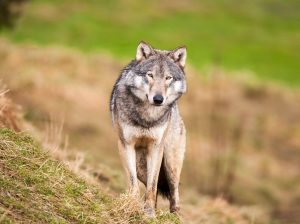
Scientists have discovered that nearly all modern dog breeds carry traces of wolf DNA from recent interbreeding, challenging long-held beliefs about the separation between domestic dogs and wild wolves. The groundbreaking research reveals that even tiny chihuahuas retain 0.2% wolf ancestry, while larger working breeds show even more significant genetic connections.
Key Findings
- Two-thirds of breed dogs carry wolf genes from crossbreeding around 800 generations ago
- Every village dog tested contained wolf DNA fragments
- Chihuahuas retain 0.2% wolf ancestry despite their small size
- Larger working dogs generally have more wolf DNA, but patterns vary
Rethinking Dog-Wolf Relationships
For decades, scientists believed dogs and wolves rarely interbred after domestication. However, new analysis of 2,693 genomes reveals extensive genetic mixing between the species.
The research team examined DNA from 146 ancient canids, 1,872 modern dogs across various breeds, and 300 village dogs – free-living animals dependent on human environments.
“We found the presence of wild wolf genes in most dog genomes and the presence of dog genes in about half of wild wolf genomes,” the researchers reported.
Surprising Patterns Across Breeds
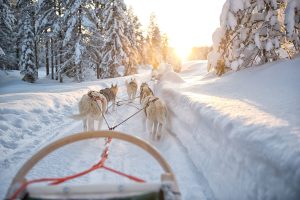
While sled dogs and large guardian dogs typically show more wolf ancestry, the patterns aren’t universal. Some massive breeds like St. Bernards completely lack wolf DNA, while the tiny chihuahua retains detectable wolf ancestry.
Terriers and scent hounds typically fall at the low end of the spectrum for wolf genes. The most surprising finding was that every single village dog tested contained wolf DNA fragments.
Survival Advantages of Wolf Genes
Researchers discovered that wolf DNA in village dogs often contained genes related to olfactory receptors. This suggests enhanced smelling abilities may have helped these free-living dogs survive in challenging environments.
“When dogs encountered evolutionary challenges such as how to survive harsh climates, scavenge for food in the streets or guard livestock, it appears they’ve been able to tap into wolf ancestry as part of their evolutionary survival kit,” the study notes.
Conservation Implications
The findings have significant implications for wolf conservation. Hybridization with free-roaming dogs threatens endangered wolf populations including Iberian, Italian and Himalayan wolves.
However, dog-wolf mixing might also provide genetic advantages as wolves adapt to human-dominated environments. The research demonstrates that despite behavioral differences, dogs and wolves maintain genetic connections that continue to shape both species.